B2B Ultra Soft Microfiber Rinseless Wash Mitt
Modern vehicle washing technology eliminates the need for high-pressure water cycles, significantly reducing water consumption and operational downtime in large-scale fleet maintenance. This
B2B Ultra Soft Microfiber Rinseless Wash Mitt
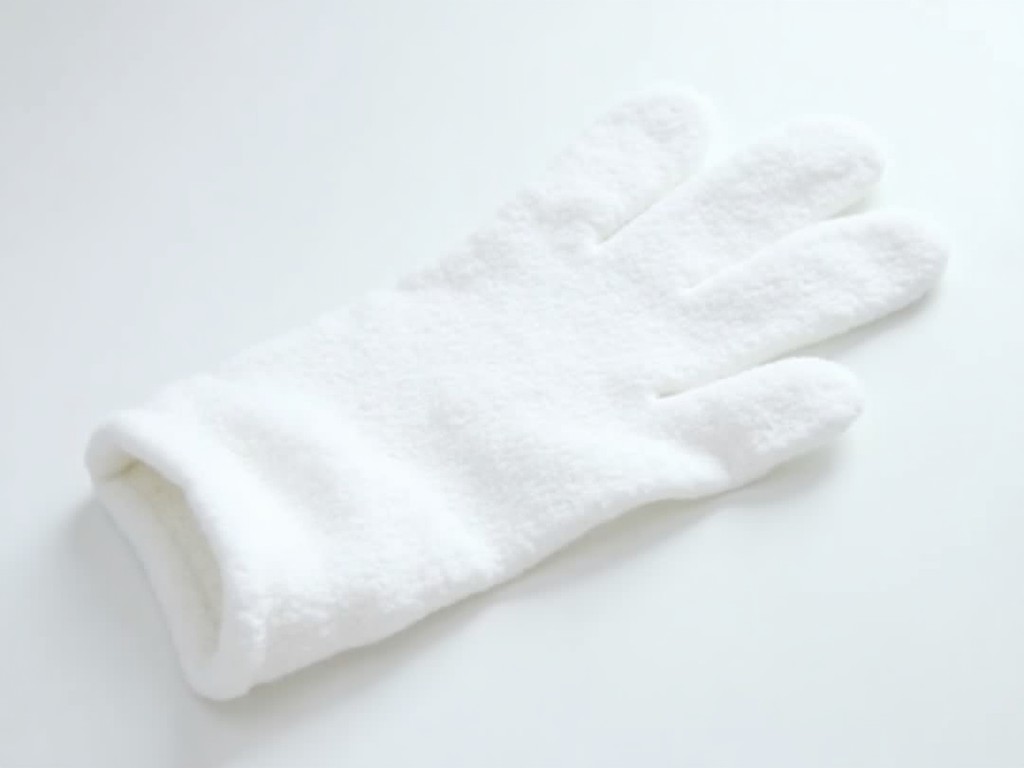
Modern vehicle washing technology eliminates the need for high-pressure water cycles, significantly reducing water consumption and operational downtime in large-scale fleet maintenance. This industrial-grade microfiber mitt is engineered specifically for rinseless washing systems, utilizing polymer-based lubricants to encapsulate abrasive contaminants without displacing them across the substrate surface. By prioritizing mechanical encapsulation over simple agitation, the mitt maintains the integrity of clear-coats and specialized protective coatings on high-value industrial assets.
Technical Material Composition and Structure
The performance of a wash mitt depends on the high-density split-fiber construction of the polyester-polyamide blend. Unlike standard microfiber cloths, these fibers are mechanically split to increase the total surface area, creating millions of microscopic "pockets" that trap dirt particles. This architecture allows the mitt to lift heavy dust and grit deep into the fabric structure, preventing them from making contact with the paint surface during the wiping stroke.
A high GSM (grams per square meter) rating, typically ranging between 500 and 1000, ensures the necessary capacity for holding rinseless solution. The 80/20 polyester-to-polyamide ratio provides the optimal balance between durability and absorption; the polyamide components offer the hydrophilic properties needed for solution retention, while the polyester provides the structural integrity required to withstand repeated industrial cleaning cycles.
Operational Advantages in Fleet Maintenance
Implementing rinseless mitts across a maintenance workflow reduces the risk of micro-swirls and circular marring which are common in traditional bucket-and-sponge methods. Because the mitt remains saturated with a lubricated polymer solution, the coefficient of friction is significantly minimized. This is critical for operators managing fleets of sensitive equipment or heavy machinery where surface restoration is a costly and labor-intensive process.
- Particle Encapsulation: High-density fibers lock abrasive particles away from the contact surface.
- Lubricity Coefficient: Advanced fiber blends ensure a smooth glide across various substrate finishes.
- Water Efficiency: Designed for use with concentrated rinseless formulas that require zero rinse-cycles.
- Structural Durability: Reinforced stitching prevents fiber shedding even under high-torque industrial use.
Industrial Applications
These mitts are deployed in environments where time-efficiency and asset preservation are equally weighted. Logistics providers utilize them for the rapid-cleaning of delivery vans and trailers without the infrastructure required for a full wash bay. Furthermore, luxury automotive dealerships and specialized detailing centers employ these mitts to maintain showroom conditions on delicate finishes where water-spotting damage from mineral deposits is unacceptable.
Heavy equipment operators also benefit from the technology when cleaning sensitive optical sensors or glass surfaces where abrasive brushes are not safe. The soft nature of the split-fiber material allows for the removal of light mud and dust without scratching precision-machined components.
Technical Specifications
| Feature | Standard Grade Mitt | Industrial B2B Mitt |
|---|---|---|
| Material Density | 300-400 GSM | 500-1000+ GSM |
| Fiber Type | Standard Microfiber | High-Density Split-Fiber |
| Edge Construction | Simple Overlock | Reinforced Edgeless Seams |
| Application Focus | General Domestic Use | Fleet/Rinseless Wash |
Maintenance and Longevity Protocols
To maintain the mechanical properties of the microfiber fibers, specific laundering protocols must be followed. Avoiding fabric softeners and alkaline detergents should be the priority, as these substances coat the fibers, reducing their hydrophilic capacity and ability to encapsulate particles. Industrial machine washing at low temperatures with air drying or low heat prevents the melting of the synthetic fiber tips, which would otherwise render the mitt abrasive and damaging to vehicle surfaces.
Interested in bulk procurement for fleet maintenance operations?
Request Technical Quote and Technical Data Sheet