B2B Dusting Gloves Microfiber For Plants
Maintaining high-value botanical nurseries and commercial greenhouses requires tools that can remove particulate matter without compromising the structural integrity of delicate leaf cuticles. Unlike
b2b dusting gloves microfiber for plants
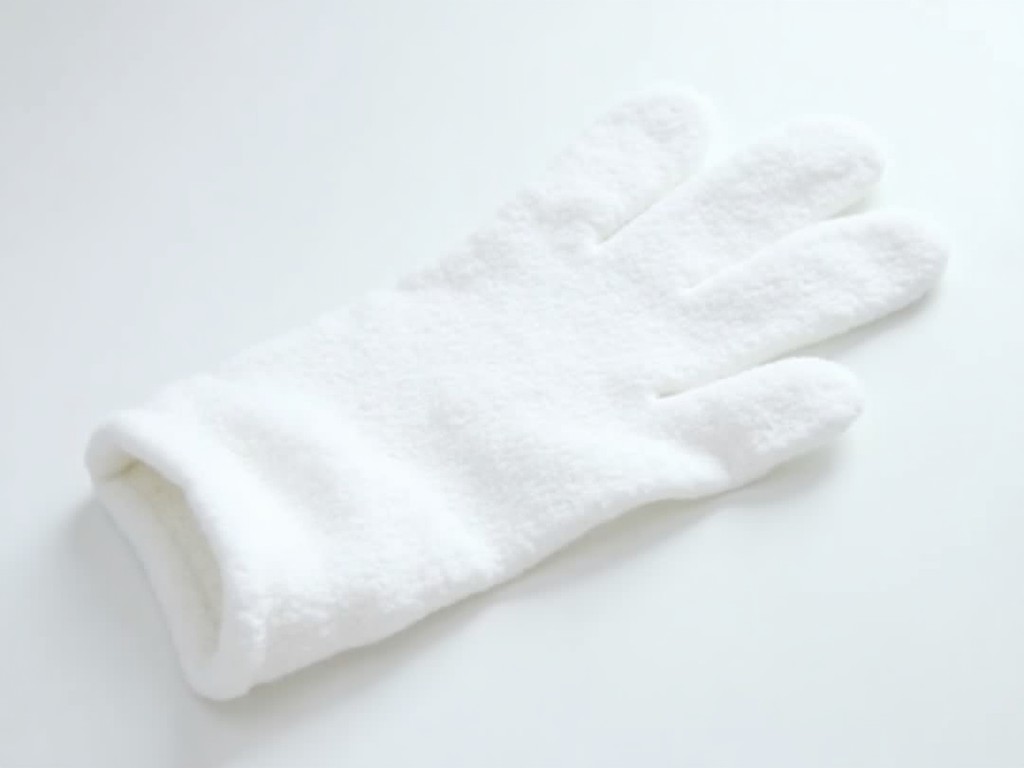
Maintaining high-value botanical nurseries and commercial greenhouses requires tools that can remove particulate matter without compromising the structural integrity of delicate leaf cuticles. Unlike traditional cloths that merely displace dust across a surface, microfiber gloves utilize high-surface-area fibers to trap debris within the fabric matrix. This mechanism is crucial for maintaining optimal gas exchange in plants where dust accumulation can inhibit photosynthesis and reduce transpiration rates.
The industrial-grade microfiber utilized is engineered with a specific blend of polyester and polyamide fibers. The polyester provides the structural framework and durability, while the split polyamide fibers create the microscopic channels necessary for sequestering pollen, spores, and fine atmospheric dust. For B2B operations, this translates to reduced cleaning cycles and a lower risk of mechanical stress on plant tissues.
Technical Specifications
The performance of industrial dusting gloves is determined by the fiber density and the weave pattern. We focus on a high-GSM (grams per square meter) construction to ensure the glove has enough material to absorb significant debris before reaching saturation.
| Parameter | Technical Specification |
|---|---|
| Material Composition | 80% Polyester / 20% Polyamide (Split Fiber) |
| Fabric Density (GSM) | 300 - 450 GSM |
| Weave Type | Double-loop knit for flexibility |
| Thermal Resistance | Up to 95°C (Industrial Wash Cycle) |
| Chemical Compatibility | Neutral to mild alcohol-based sanitizers |
Industrial Applications
Microfiber dusting gloves are deployed in environments where cross-contamination prevention and precision cleaning are primary operational concerns.
- Ornamental Nurseries: Removing dust from broad-leaf tropical plants where abrasion would cause permanent scarring.
- Botanical Research Labs: Maintaining sterile environments by capturing airborne particulates that could settle on experimental specimens.
- Indoor Hydroponic Facilities: Cleaning LED lighting fixtures and housing to ensure maximum light penetration and equipment hygiene.
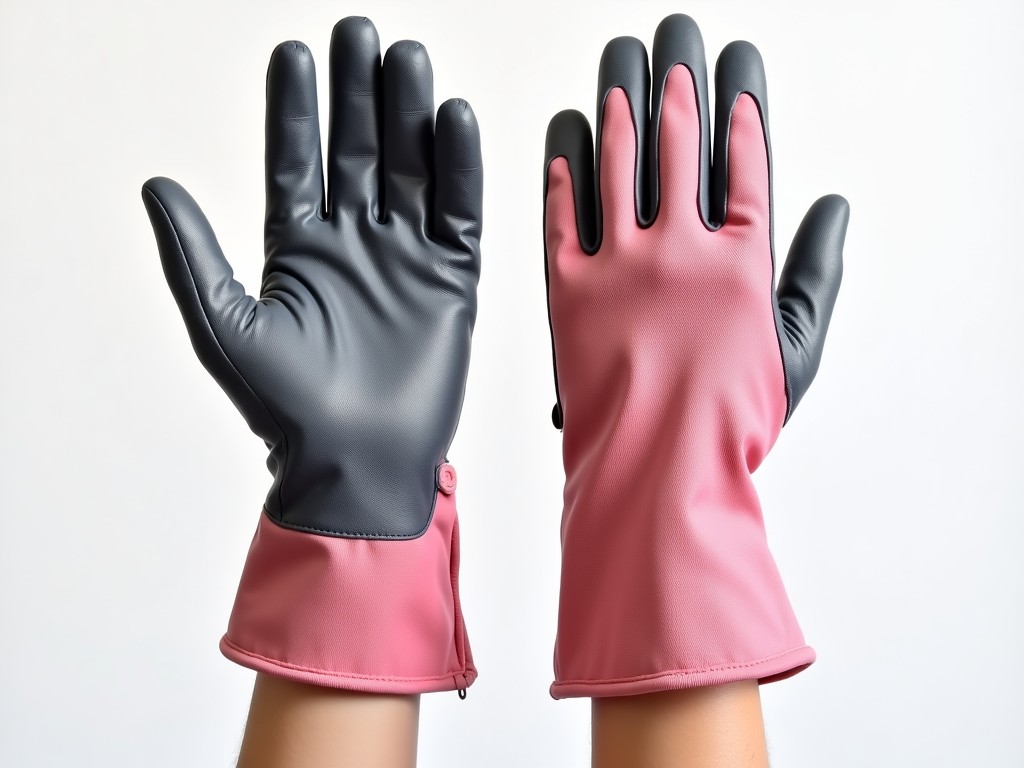
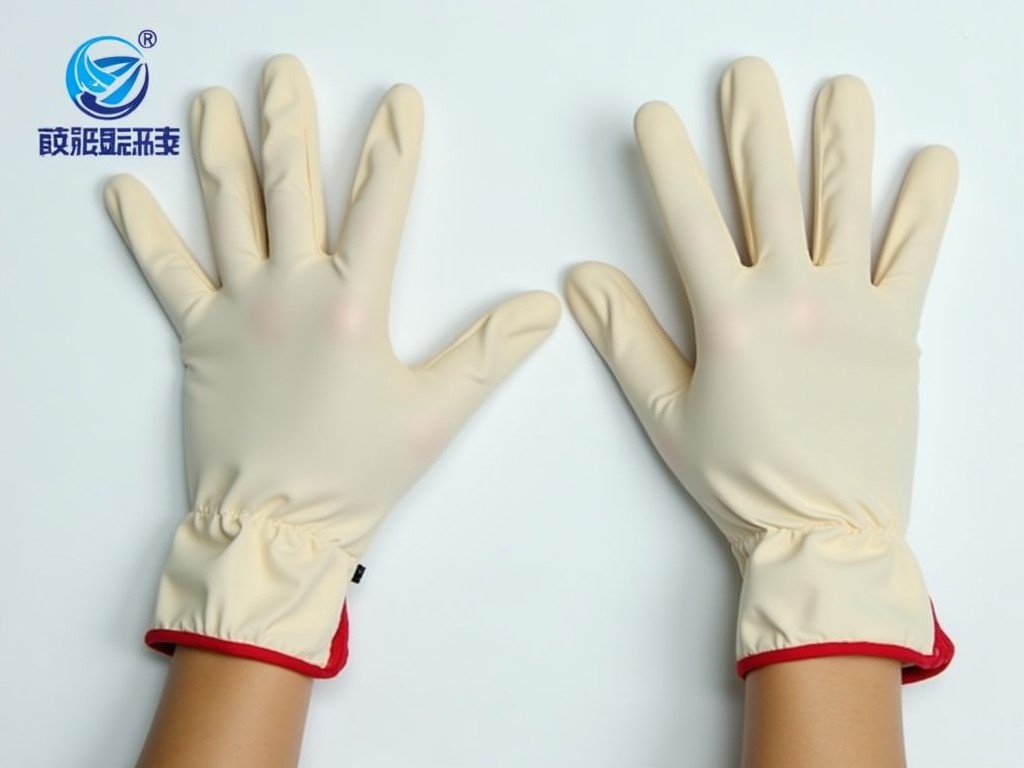
- Horticultural Centers: Utilizing color-coded gloves to differentiate between different growth zones, preventing the spread of fungal pathogens.
Maintenance and Durability Logic
Economic viability in B2B procurement depends on the ability to withstand repeated industrial laundering. These microfiber gloves are designed to maintain their structural integrity through multiple high-temperature wash cycles. The synthetic fibers do not shed as aggressively as cotton, ensuring that no fibers are left behind on the plant surfaces.
To maximize the lifespan of the product, we recommend avoiding fabric softeners during cleaning, which coat the microscopic polyamide hooks and reduce the glove's absorbent capacity. Using industrial-grade detergents ensures the mechanical cleaning properties of the microfiber remain effective over 100+ cycles.
Comparative Analysis
| Feature | Microfiber Gloves | Standard Cotton Cloth |
|---|---|---|
| Particulate Capture | Mechanical trapping (Internal) | Surface displacement (External) |
| Surface Safety | High (non-abrasive) | Medium risk of abrasion |
| Moisture Retention | High (high absorption) | Low (quick saturation) |
| Industrial Life Cycle | Extended (100+ washes) | Short (tears easily) |
Frequently Asked Questions
Can these gloves be customized for specific de-contamination protocols?
Yes, we provide bulk orders in various color palettes (Blue, Green, Red, White) to help facilities implement color-coding for different plant zones or plant species.
What is the typical lead time for bulk OEM orders?
Standard stock orders typically ship within 1-2 weeks, while custom-branded or specific specifications may require 4-6 weeks depending on material availability.
Are the gloves safe for use with sanitizers?
The microfiber is resistant to standard alcohol-based sanitizers and mild botanical cleaners, though we recommend avoiding high-concentration bleach which can degrade polyamide fibers.
For technical data sheets or bulk pricing tiers tailored to your nursery operation, contact our industrial sales team.
Request Industrial Quotation