Red Leather Gloves Outfit Factory Price
The manufacturing of industrial-grade red leather gloves and coordinated sets requires precise understanding of leather chemistry and dye penetration. Unlike consumer-grade fashion items,
Industrial Red Leather Gloves and Coordinated Outfit Manufacturing
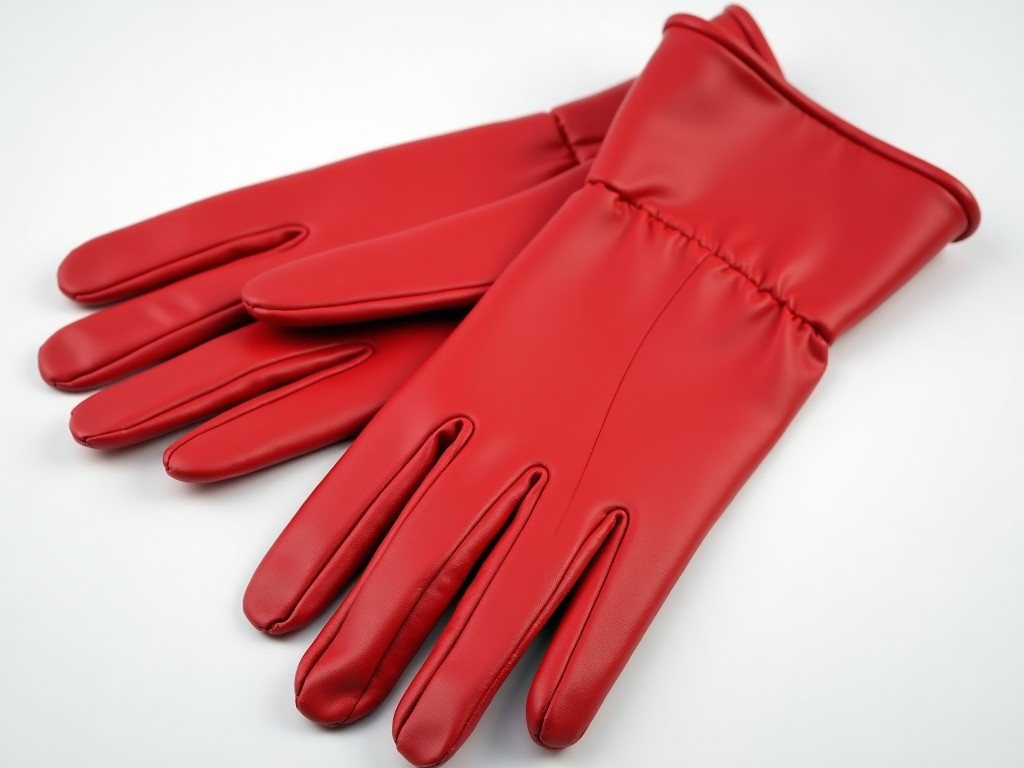
The manufacturing of industrial-grade red leather gloves and coordinated sets requires precise understanding of leather chemistry and dye penetration. Unlike consumer-grade fashion items, industrial-grade red leather utilizes specific chrome-tanning processes to ensure the structural integrity of the fibers under constant mechanical stress. The red pigment is integrated through deep-dyeing techniques that prevent fading when the material is exposed to high UV index or abrasive friction.
Material selection depends on the intended application environment. Heavy-duty cowhide is typically selected for its abrasion resistance and high tensile strength, whereas goatskin is often utilized for tasks requiring high dexterity and tactile sensitivity without sacrificing thermal protection. For coordinated outfits, consistency in leather grain and color density across all components is maintained to ensure aesthetic and functional uniformity during long-term wear cycles.
Technical Specifications and Material Standards
| Feature | Typical Specification | Engineering Note |
|---|---|---|
| Leather Type | Cowhide, Goatskin, or Sheepskin | Selection varies by durability requirements. |
| Thickness (mm) | 0.8mm to 1.5mm | Thicker hides increase puncture resistance. |
| Tanning Method | Chrome or Vegetable Tanned | Chrome offers better water resistance. |
| Stitching Thread | Nylon or Bonded Polyester | High-tenacity thread prevents seam failure. |
| Lining Material | Cotton jersey, Kevlar, or Unlined | Affects thermal insulation properties. |
Industrial Applications and Performance Logic
Red leather gloves and outfits are engineered based on the physical demands of the work environment. In high-heat environments, the leather acts as a thermal barrier, provided the hide is properly treated to prevent carbonization. The red color is often utilized in industrial settings for high-visibility requirements, enhancing safety in low-light or busy operational zones.
- Heavy-Duty Handling: Thick cowhide leather provides superior protection against sharp edges and mechanical components during material handling.
- Precision Assembly Protection: Specialized goatskin leather gloves allow for the grip required for small component assembly while protecting hands from minor abrasion.
- Service Industry Uniforms: Coordinated outfits provide a professional aesthetic while maintaining the durability needed for frequent laundering and rigorous daily use.
Customization and OEM Capabilities
Factory production allows for specific technical modifications to meet OEM safety standards. This includes reinforced palms with double-stitching or the integration of Kevlar inserts in high-stress areas. Custom ventilation ports can be laser-cut into the gloves to manage moisture buildup without compromising the structural integrity of the leather.
Branding is applied through heat embossing or screen printing to ensure the logo remains legible throughout the lifecycle of the product. These methods do not degrade the leather fibers, ensuring that the outfit's professional identification remains clear across multiple industrial shifts.
Understanding Factory Pricing Factors
The unit factory price for red leather gloves and outfits is determined by several technical variables. The grade of the leather—such as full-grain versus split leather—significantly impacts material cost and longevity. Furthermore, the volume of the order (MOQ) reduces the per-unit cost by optimizing the setup time for die-cutting and assembly lines.
Complexity in the design, such as ergonomic anatomical shaping or multi-layered reinforcements, increases labor hours per unit. To obtain an accurate quote, procurement managers should specify the required leather thickness, lining material, and the total volume required for the initial production run.
Frequently Asked Questions
What is the typical lead time for bulk custom orders?
Lead times generally range from 30 to 60 days depending on raw material availability and the complexity of the custom specifications.
Can samples be provided before mass production?
Yes, prototype samples are available to verify material feel, fit, and technical performance before full scale manufacturing begins.
How is the quality-controlled inspected?
Each batch undergoes inspection for seam tensile strength, leather uniformity, and color consistency to ensure it meets industrial-grade standards.
Request a technical consultation or a detailed quote for your industrial leather requirements.
Inquire for Factory Pricing