Odm Leather Insulated Driving Gloves
Original Design Manufacturing (ODM) for industrial-grade insulated driving gloves requires a precise balance between high-dexterity handling and thermal protection. Unlike standard consumer
ODM Leather Insulated Driving Gloves
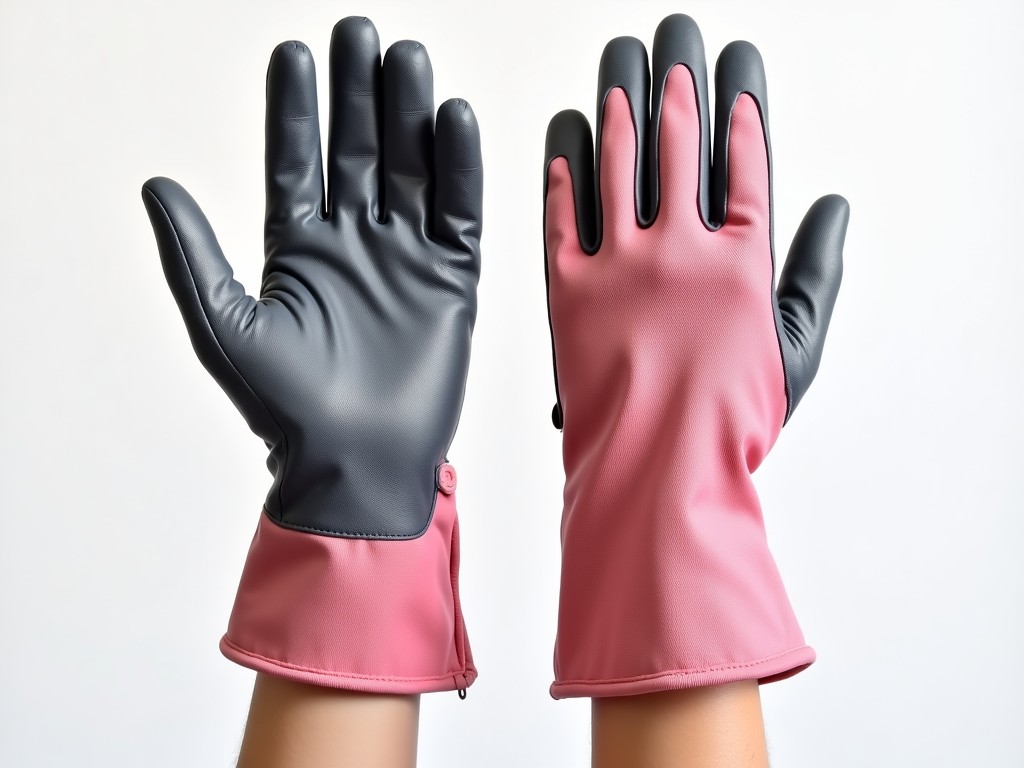
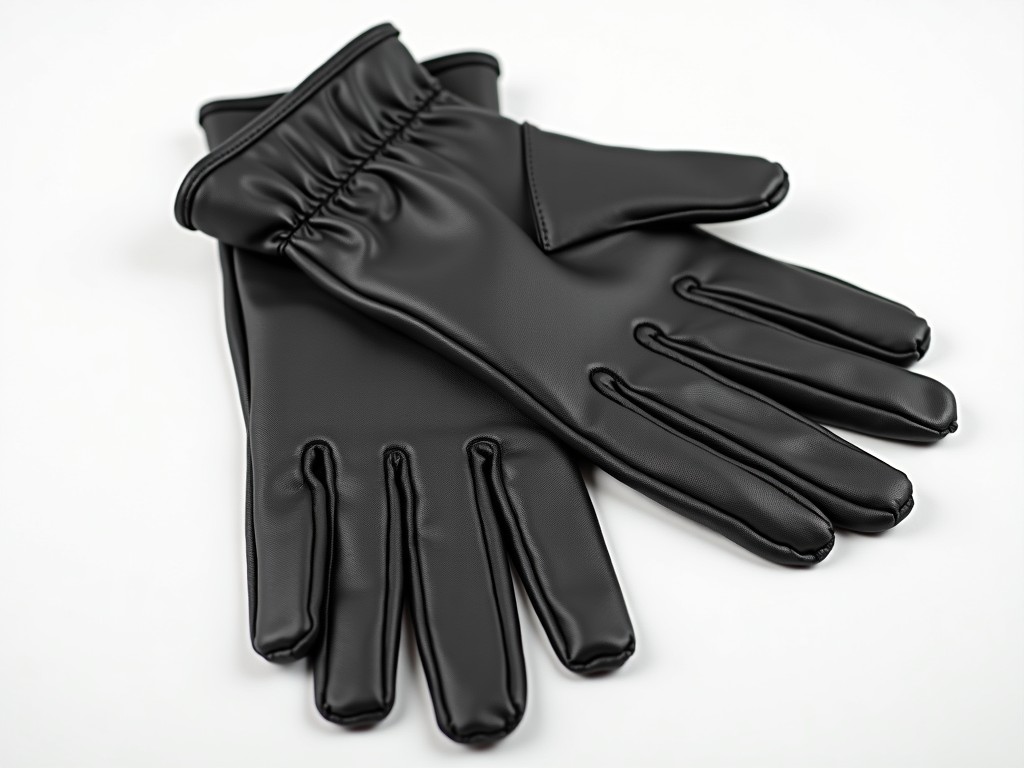
Original Design Manufacturing (ODM) for industrial-grade insulated driving gloves requires a precise balance between high-dexterity handling and thermal protection. Unlike standard consumer winterwear, these gloves are engineered for environments where operators must maintain tactile sensitivity over heavy machinery controls while being shielded from extreme temperature fluctuations. Our manufacturing process focuses on the structural integrity of the leather interface and the thermal barrier, utilizing multi-needle stitching techniques to prevent seam failure under repetitive mechanical stress.
Procurement engineers prioritize the material composition based on the specific thermal gradient of the workplace. By selecting specific leather grades—such as full-grain cowhide for abrasion resistance or goatskin for superior flexibility—clients can tailor the performance of the glove. The insulation layer is integrated into the internal architecture to minimize bulk, ensuring that the ergonomic driving profile remains unobstructed.
Technical Specifications and Material Selection
| Component | Material Options | Technical Benefit |
|---|---|---|
| Outer Shell | Full-grain Cowhide, Goatskin, Sheepskin | Variable de abrasion resistance and tensile strength. |
| Insulation Layer | Thermal Fleece, Aluminized Mylar, Thylar | Optimized R-value for heat retention. |
| Palm Reinforcement | Suede Leather, Silicone-grip zones | Increased friction coefficient for grip-heavy tasks. |
| Stitching Thread | Kevlar reinforced Polyester | Prevents seam bursting at high-stress joints. |
Insulation Standards and Thermal Engineering
The efficacy of insulated driving gloves is determined by the air-trap properties of the insulation layer. We utilize a multi-layered approach where the outer leather acts as a mechanical and moisture barrier, while the inner lining manages thermal conductivity. This separation is critical for operators working in cold-chain logistics where moisture buildup can otherwise lead to reduced motor function and increased safety risks.
Thermal performance is also influenced by the thickness of the leather. Thinner skins allow for higher precision in instrument operation, whereas thicker hides provide the necessary thermal mass for heavy-duty industrial environments. Our ODM process allows for the specification of varying millimeter-thickness to meet the specific thermal-rating requirements of the project site.
Industrial Applications
- Cold Chain Logistics: Provides thermal protection for drivers and warehouse operators in sub-zero environments without sacrificing the dexterity needed for scanners and digital interfaces.
- Heavy Machinery Operation: Protects hands from cold metal surfaces while maintaining secure grip on steering wheels and levers.
- Aircraft Ground Crew: Offers insulation against wind chill for personnel performing inspections and signaling in winter conditions.
- Utility Maintenance: Essential for technicians working on outdoor electrical equipment in high-altitude winter climates.
Customization and ODM Capabilities
Customization goes beyond aesthetics; we integrate specific functional requirements into the glove architecture. This includes bespoke ergonomic sizing to accommodate different hand measurements across a workforce, reducing operator fatigue over long shifts. We can also incorporate reinforced zones in specific areas like the thumb or fingertips where wear-and-tear is most prevalent.
Technical branding is achieved through laser etching or precision embroidery that does not compromise the structural integrity of the leather. For large-scale OEM projects, we provide color-matching services to align with corporate safety protocols or high-visibility gear requirements.
Frequently Asked Questions
Can dimensions be customized for specific workforce fleets?
Yes, we offer standard sizing charts alongside bespoke sizing based on technical measurements to ensure optimal ergonomic fit for diverse operator groups.
What is the typical production lead time for a bulk ODM order?
Lead times typically range between 45 to 90 days depending on material availability, the complexity of the insulation design, and the volume ordered.
How is quality inspected during the manufacturing process?
Each batch undergoes visual inspection, tensile strength testing on seams, and thermal performance verification to ensure they meet the specified industrial technical standards.
Require a technical data sheet or a formal quote for your industrial project?
Request Technical Consultation