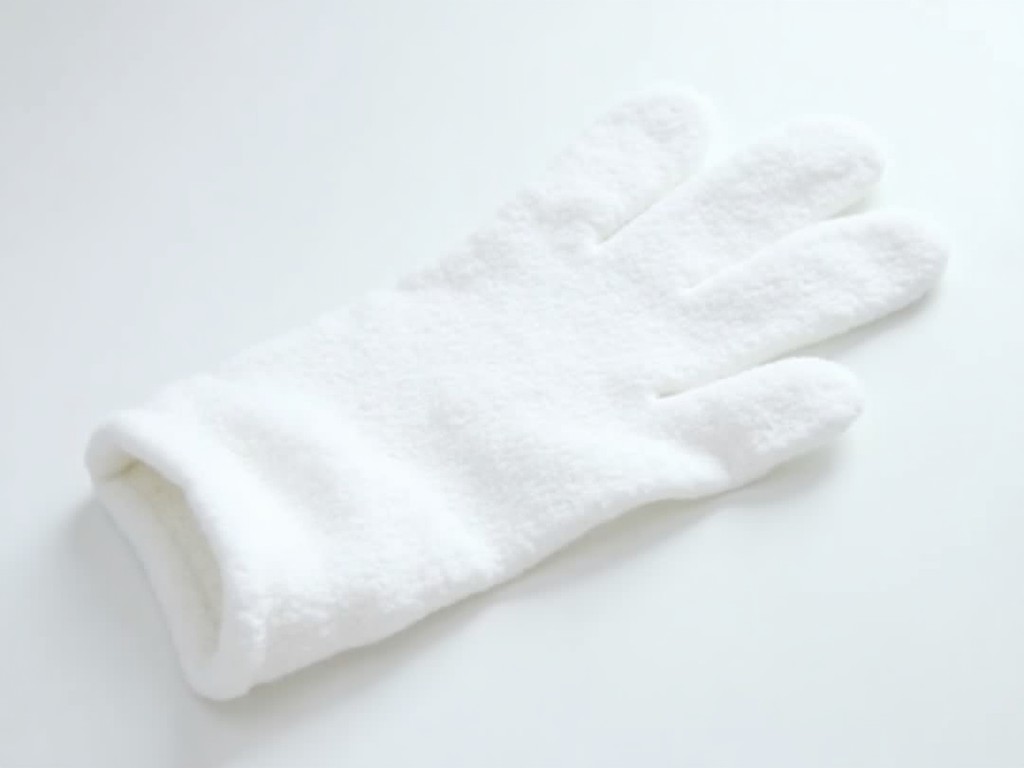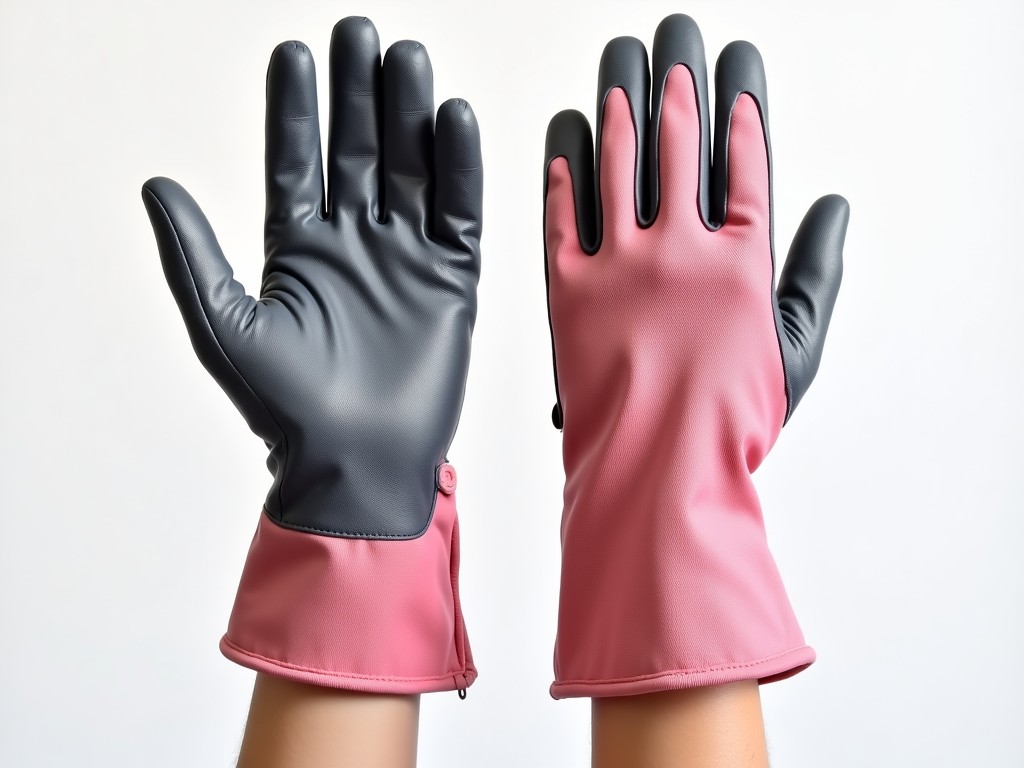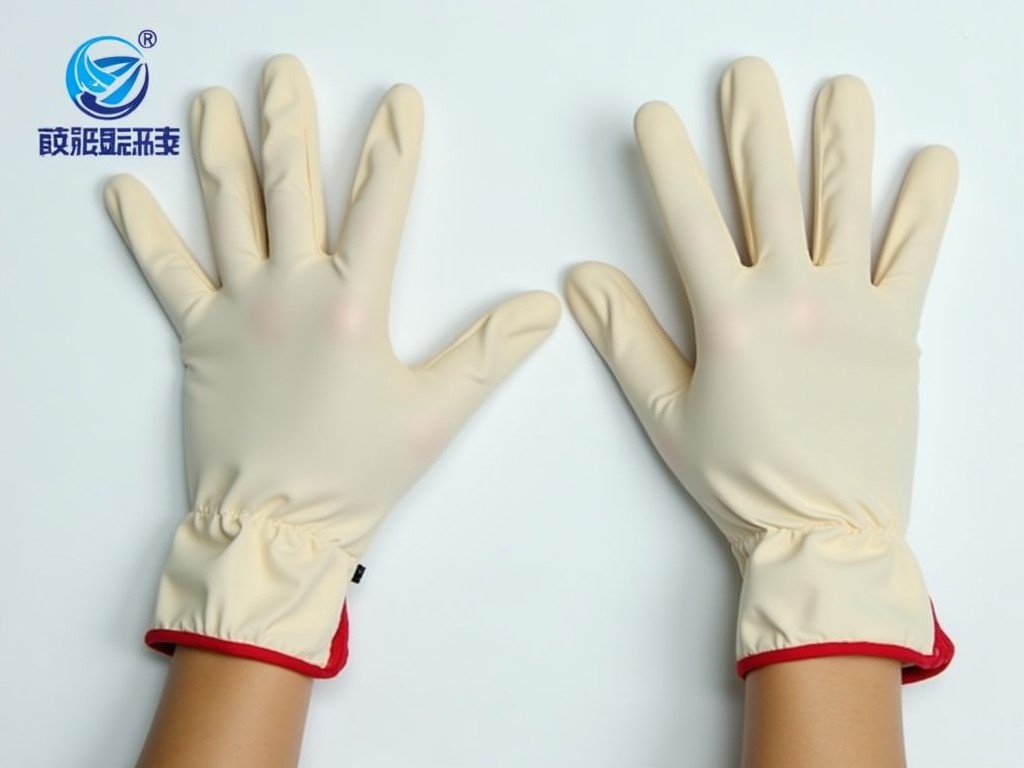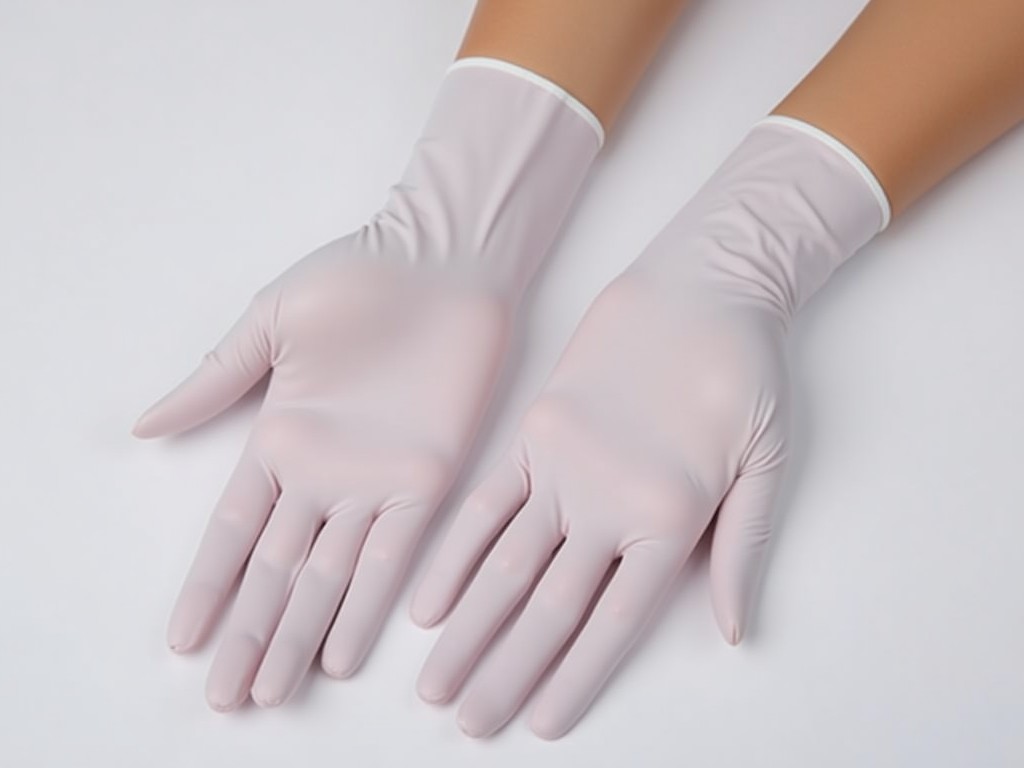
Oem Formal Gloves For Prom Dress
Manufacturing formal gloves for the prom industry requires a precise balance between aesthetic delicacy and structural integrity. OEM partners focus on high-grade construction to ensure that each
OEM Formal Gloves for Prom Dress
Manufacturing formal gloves for the prom industry requires a precise balance between aesthetic delicacy and structural integrity. OEM partners focus on high-grade construction to ensure that each unit survives bulk handling while maintaining the specific silhouette required for formal attire. This segment of production prioritizes textile selection that offers both tensile strength and elasticity recovery, preventing the common issue of sagging or tearing during extended events.
Material Specifications & Construction
Fabric selection dictates the drape and longevity of the finished accessory. High-denier spandex blends are frequently integrated with nylon or polyester to provide multi-way stretch that conforms to various hand sizes without losing shape over time. Conversely, satin-based constructions offer a high-luster finish preferred for formal photography but often require reinforced seams to prevent fraying at high-stress points.
Construction methods vary based on the desired length—ranging from wrist-length to opera length. Opera-length gloves typically utilize internal elastic bands or silicone grips to maintain position against the wearer's arm. For lace-overlay models, double-layering is common to ensure the intricate pattern does not snag or pull, which is a common failure point in lower-quality market alternatives.
- Stitch Density: Targeted at 12-14 stitches per inch (SPI) for durability and flexibility.
- Seam Type: Overlock or French seams utilized to minimize bulk and reinforce sheer fabrics.
- Lining: Breathable mesh or soft jersey for comfort and to prevent moisture buildup.
- Fasteners: Heat-set buttons, hidden zippers, or elastic-only closures.
Customization Options
Customization allows brands to align their accessory production with specific seasonal collections or fashion trends. Color matching is achieved through Pantone-matching to ensure consistency across different dye batches, which is critical for retailers managing large-scale inventories.
Sizing extends beyond standard small-medium-large to accommodate diverse demographic requirements. Branding is integrated via heat-transfer labels, delicate embroidery, or custom-woven tags placed at the interior wrist to avoid disrupting the external formal aesthetic.
| Material Type | Key Properties | Primary Use Case |
|---|---|---|
| Spandex-Nylon Blend | High elasticity, matte finish | Modern slim-fit prom gowns |
| Polyester Satin | High luster, rigid-pe | Classic formal ball gowns |
| Guipure Lace | Textured, heavy-weight | Vintage-style formal dresses |
Manufacturing & Quality Control
Quality control protocols in formal glove production focus on mechanical stress testing and color stability. Each batch undergoes tension testing to ensure that the elastic components do not snap under repeated wear. Furthermore, color-fastness testing is performed to ensure that dyes do not transfer onto delicate dress fabrics or skin during perspiration at events.
Inspection lines also verify symmetry across pairs. For opera-length gloves, even a few millimeters of difference in cuff length between the left and right hand can result in noticeable visual misalignment in professional photography. Automated optical inspection is increasingly used to detect weave defects in lace or thin satin specifications.
Frequently Asked Questions
What is the typical minimum order quantity for custom designs?
Standard MOQs start at 500 units per colorway, depending on the complexity of the fabric and whether custom lace-weaving is required.
Can samples be provided before full production begins?
Yes, proto-samples are developed to verify fit, material hand, and color before the mass production run is initiated.
How are shipments protected against damage?
Gloves are individually poly-bagged to prevent moisture ingress and are then packed in reinforced master cartons to prevent structural crushing during international transit.
Technical specifications and lead times vary based on your specific project requirements. Contact our engineering team to discuss your material needs and request a formal OEM quotation.
Inquire Technical Specifications