Factory Supply Etiquette For Wearing Evening Gloves
In high-precision industrial environments, the concept of "etiquette" regarding glove usage refers to the rigid adherence to Standard Operating Procedures (SOPs) designed to prevent particulate
Factory Supply Etiquette for Wearing Evening Gloves in Precision Manufacturing
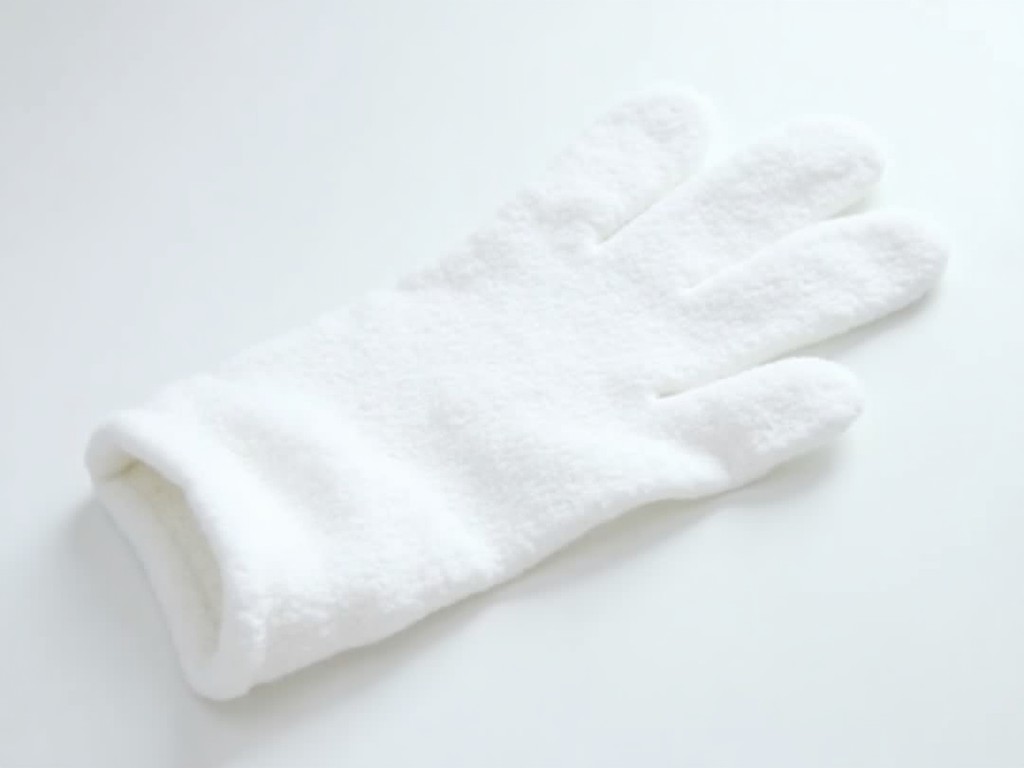
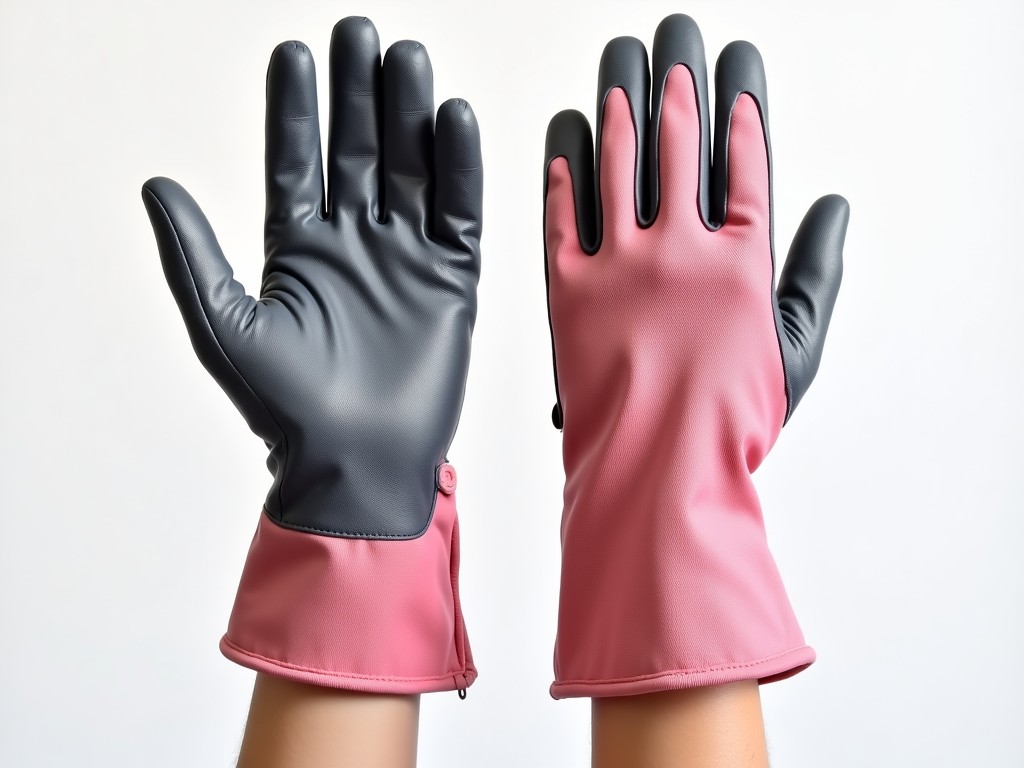
In high-precision industrial environments, the concept of "etiquette" regarding glove usage refers to the rigid adherence to Standard Operating Procedures (SOPs) designed to prevent particulate contamination. While the term "evening gloves" is traditionally associated with formal attire, in a factory context, it pertains to specialized, slim-fit protective gloves used in delicate assembly or cleanroom environments. Following these protocols ensures that the integrity of the product is maintained while maintaining operator dexterity and operational efficiency.
Proper implementation requires a deep understanding of the material properties and the specific requirements of the assembly line. Failure to follow established donning sequences can lead to micro-tears or the transfer of organic contaminants to sensitive optical or electronic components.
Specifications of High-Performance Protective Gloves
Industrial-grade protective gloves designed for precision tasks must meet specific technical benchmarks to be considered effective. These gloves typically feature a low profile, ranging from 3 mil to 5 mil, to balance protection with tactile sensitivity. Particulate resistance is critical, particularly in ISO Class 5 cleanrooms, where the glove material must not shed skin cells or synthetic fibers into the workspace.
- Tensile Strength: Minimum of 14 MPa to prevent rupture during high-friction maneuvers.
- Elongation at Break: Typically above 500% to allow for flexibility without stress.
- Surface Finish: Powder-free, often textured to enhance grip on smooth metallic components.
- Chemical Compatibility: Resistance to common solvents like isopropyl alcohol or acetone used in component cleaning.
Protocol for Proper Integration into Industrial Workflow
The "etiquette" of glove use begins with rigorous hand preparation. Operators must perform a surgical-grade hand wash or use an alcohol-based sanitizer and dry completely before donning. This ensures that no moisture is trapped inside the glove, which could lead to skin irritation or material degradation over time.
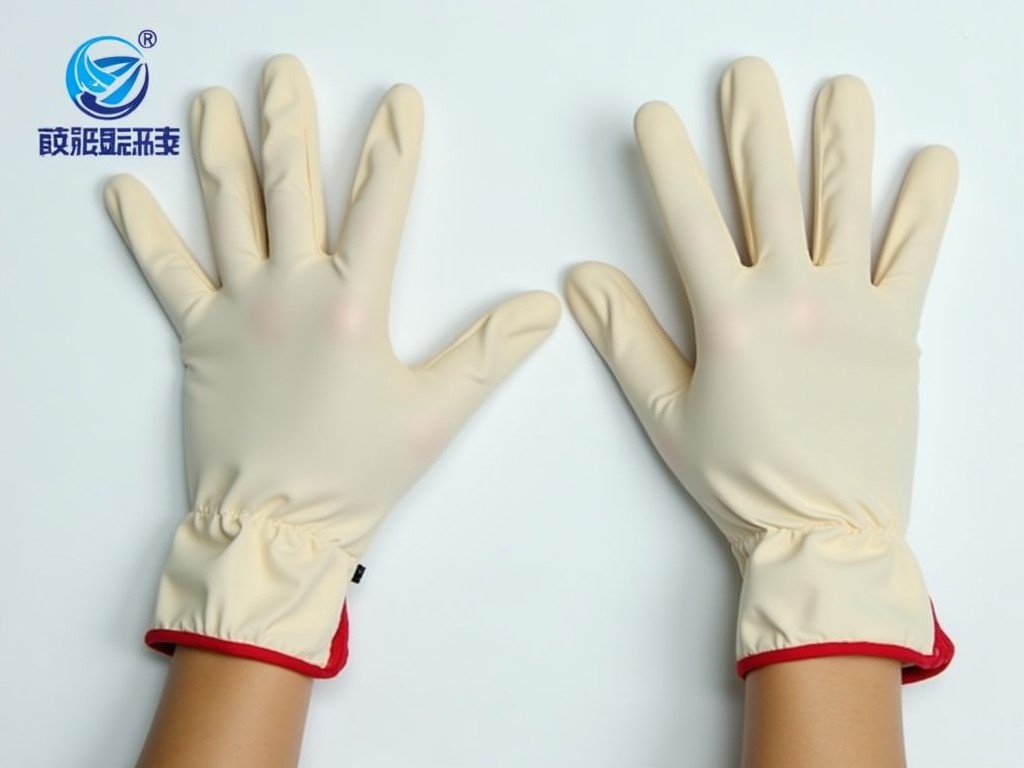
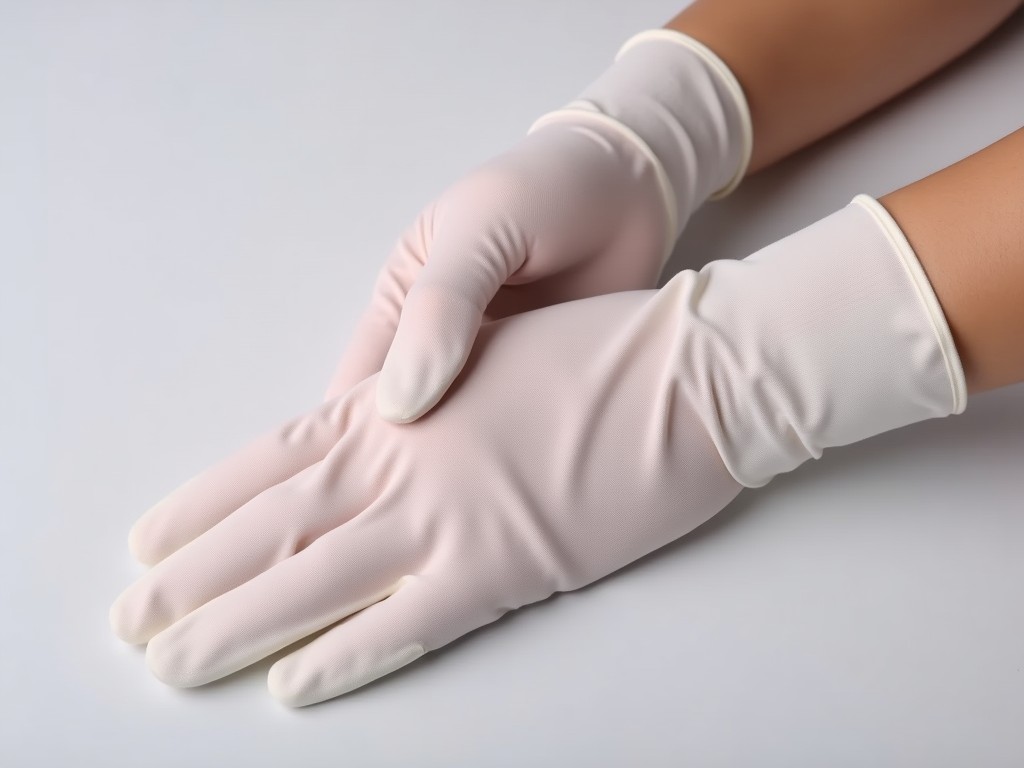
When donning, the glove should be pulled taut over the wrist to ensure no skin is exposed. If the environment involves lab coats or coveralls, the glove cuff must be pulled over the sleeve of the garment to create a continuous barrier. This technique is vital for preventing the migration of particles from the operator's clothing into the sterile work zone.
Doffing is just as critical as donning. The glove should be turned inside out as it is removed, trapping the contaminated surface inside the glove. This prevents the cross-contamination of the operator's hands and the surrounding factory surfaces during the disposal of the protective material.
Material Selection for Contamination Control
Selecting the right polymer depends on the specific chemical environment of the manufacturing process. Nitrile is the industry standard for its high resistance to punctures and lack of latex proteins. However, for applications requiring extreme flexibility or specific chemical resistance, neoprene or specialized vinyl blends may be utilized.
| Material Type | Tactile Sensitivity | Chemical Resistance | Primary Application |
|---|---|---|---|
| Nitrile | High | High (Oils/Solvents) | Electronics Assembly |
| Neoprene | Medium-High | Moderate (Acids) | Laboratory Testing |
| Latex (Medical Grade) | Very High | Moderate | Medical Device Assembly |
Inspection and Maintenance Standards
Quality control for industrial gloves involves both visual and functional inspections. Operators must inspect each glove pair for pinholes, thinning, or discoloration, which indicates chemical exposure or mechanical wear. Any glove showing signs of stress must be replaced immediately; a compromised barrier provides zero protection against contamination or hazardous materials.
In high-volume production, air leak tests are sometimes performed on batch samples. This involves inflating the glove slightly and checking for escaping air using pressure drop-test equipment. This quantitative approach ensures that the entire supply meets the required structural integrity standards before being deployed to the floor.
FAQ on Industrial Glove Compliance
Can these gloves be customized for specific hand sizes?
Yes, we offer various sizing options from Extra Small to XL to ensure ergonomic fit and reduce fatigue during long shifts.
What is the typical production lead time for bulk orders?
Standard stock items typically ship within 5-7 business days, while custom material specifications may require 4-6 weeks for manufacturing.
How is quality inspected during the process?
Each batch undergoes tensile testing, water resistance testing, and particulate analysis to ensure compliance with ISO standards.
Require specific technical data or custom material specifications for your manufacturing process?
Request Technical Specifications