China Dress Up Gloves Tea Party Factory
The manufacturing of formal handwear for the tea party and event industry requires a balance between aesthetic precision and structural durability. A specialized factory in China focuses on the
China Dress Up Gloves Tea Party Factory: Industrial Manufacturing Overview
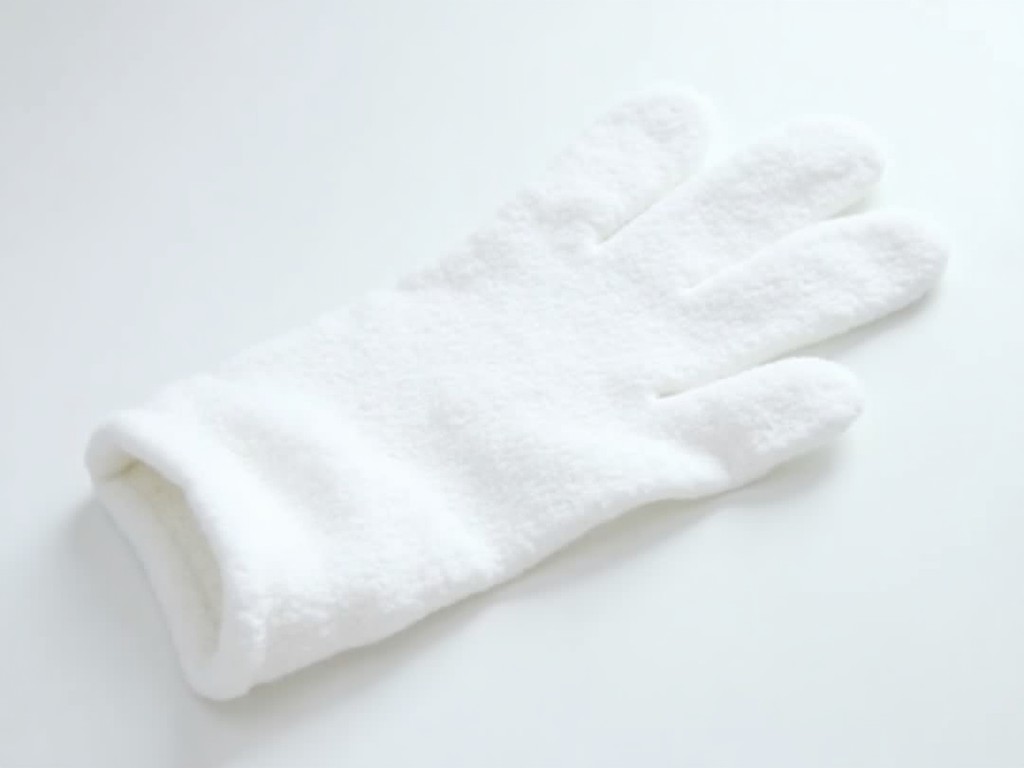
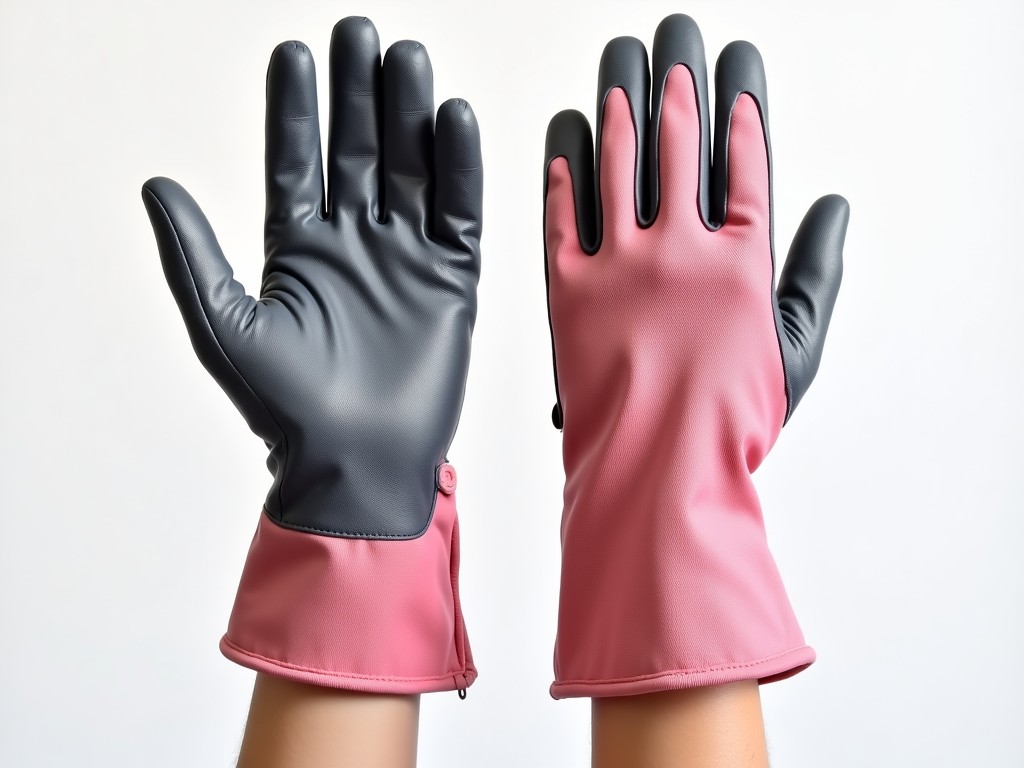
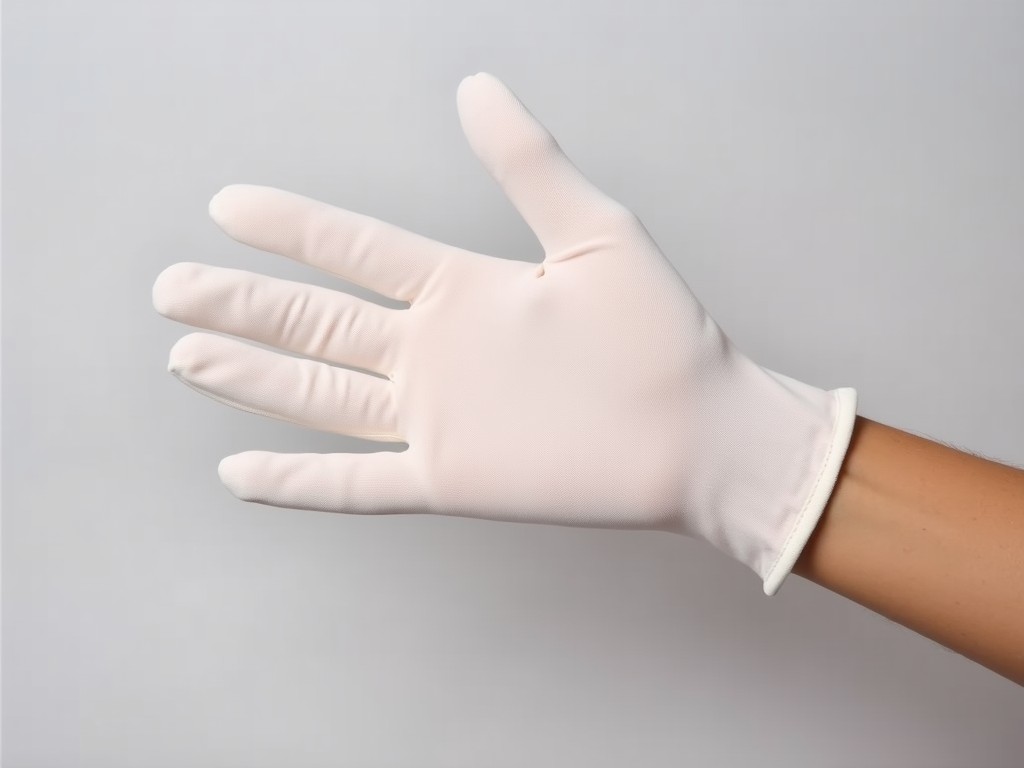
The manufacturing of formal handwear for the tea party and event industry requires a balance between aesthetic precision and structural durability. A specialized factory in China focuses on the high-volume production of dress gloves that meet rigorous international export standards for global distribution. These facilities utilize advanced textile processing machinery to ensure that each pair maintains consistent sizing and seam integrity across large production batches.
Sourcing from a technical-grade manufacturer involves understanding the mechanical properties of the fibers used and the recovery rates of the elastic components. By integrating precision laser cutting with reinforced assembly lines, procurement managers can secure products that withstand the rigors of high-end hospitality services and retail environments.
Material Specifications and Technical Properties
Material selection dictates the tactile performance and longevity of the glove in a formal setting. We categorize fabrics based on their GSM (grams per square meter), friction coefficient, and tensile strength. For tea party applications, satin is often preferred for its low-friction surface, while lace requires higher structural stability to prevent tearing during handling.
| Material Type | Technical Characteristics | Primary Application | Elasticity Recovery |
|---|---|---|---|
| Polyester Satin | High sheen, low-weight weave | Formal Tea Services | Low (Fixed) |
| Jacquard Lace | Intricate pattern, breathable | Bridal & Luxury Events | Medium (Elasticized) |
| Nylon/Spandex Blend | High stretch, ergonomic fit | Theatrical/Performance | High (95%+) |
| Mesh Fabric | Sheer, lightweight | Cost-effective Retail | Moderate |
Production Workflow and Quality Assurance
The manufacturing process begins with digital pattern grading to minimize fabric waste and ensure dimensional consistency across sizes. Laser cutting technology is employed to prevent edge fraying, which is critical for delicate lace and satin materials. Following assembly, industrial overlock machines are used to create reinforced seams that can withstand repeated stress without snapping.
- Dimensional Verification: Each batch is checked against ±2mm tolerance for wrist circumference and length.
- Elastic Tension Testing: Testing the ruff bands to ensure they return to the original shape after multiple extensions.
- Visual Inspection: 100% manual check for loose threads, snags, or dye inconsistencies.
- Sterilization Packaging: Vacuum-sealed options to maintain hygiene for bulk retail-ready inventory.
Customization Capabilities for OEM Partners
Industrial buyers often require bespoke modifications to align with specific branding or event themes. This includes custom embroidery of logos on the wrist cuff or the selection of specific color palettes using Pantone-matching systems to ensure color-accuracy across different production runs.
Factories can also provide various length specifications, from short wrist-length styles to opera-length gloves, by adjusting the primary templates. Hardware additions such as pearl buttons, velvet ribbons, or elasticized cuffs are integrated based on the technical requirements of the project.
Strategic Applications in Hospitality and Events
In high-end hospitality, dress gloves serve as a functional barrier while maintaining the formal aesthetic required for traditional tea ceremonies. The low-friction nature of satin gloves allows staff to handle fine bone china and crystal without the risk of snagging delicate surfaces.
Furthermore, the theatrical and bridal industries utilize these gloves for their visual impact and durability under movement. The use of high-recovery-elastic blends ensures that the gloves remain in place during active use, reducing the need for frequent adjustments by performers.
Frequently Asked Procurement Questions
What is the typical production lead time for bulk orders?
Standard production cycles typically range from 25 to 45 days depending on order volume and the complexity of customization requests.
Can samples be arranged before mass production?
Yes, pre-production samples are available to verify material quality, fit, and specifications before the full run begins.
How are export shipments protected?
Orders are packed in moisture-resistant poly-bags within reinforced corrugated cardboard boxes to prevent crushing during international freight transit.
Interested in technical specifications or a formal quote for your event supply needs?
Request Technical Data & Quotation