Buy Wedding Gown With Long Gloves
The procurement of wedding gowns paired with long gloves requires a technical understanding of textile synergy and structural integrity. Unlike standard standalone accessories, long gloves—often
Wedding Gowns with Long Gloves: Technical Specifications and Procurement Guide
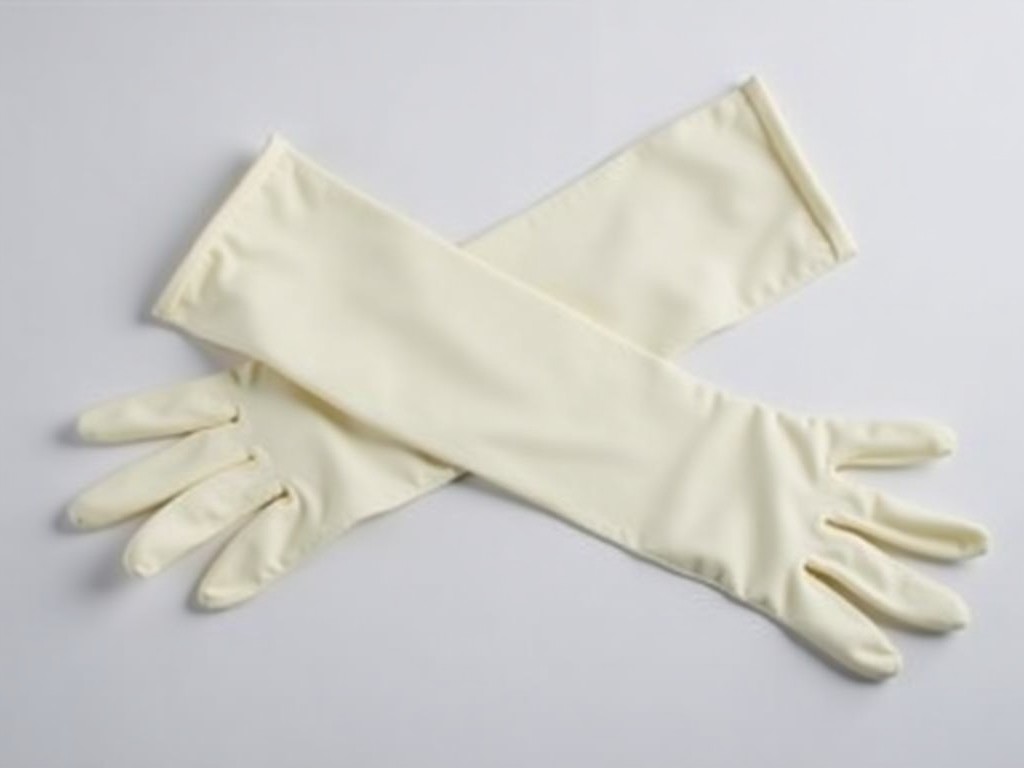
The procurement of wedding gowns paired with long gloves requires a technical understanding of textile synergy and structural integrity. Unlike standard standalone accessories, long gloves—often categorized as opera-length—must be engineered to match the gown's fabric weight to ensure seamless movement and consistent drape. This technical guide focuses on the material properties, construction methods, and ergonomic considerations necessary for professional-grade bridal sets.
Textile Selection and Material Integrity
Selecting the primary textile dictates the mechanical behavior of both the gown and the accompanying gloves. Silk mikado, characterized by its high-density weave, provides a structured silhouette that supports heavy-duty gloves without losing its shape. Conversely, silk crepe de Chine offers a fluid drape but requires gloves with higher-friction linings to prevent the fabric from sliding down the arm. Engineers must evaluate the GSM (grams per square meter) of the fabric to ensure the glove does not overwhelm the gown's seam tension or cause buckling at the armhole.
Fiber composition also affects the longevity and maintenance requirements of the bridal ensemble. Synthetic blends like polyester satin offer higher tensile strength and colorfastness, but lack the breathability of natural protein fibers. For high-end applications, pure silk charme is preferred for its unique luster and thermal regulation, though it demands more stringent quality control during manufacturing and storage.
Glove Engineering and Ergonomic Fit
The functionality of a long glove is determined by its anatomical fit and the closure mechanism utilized. Opera-length gloves typically extend beyond the elbow, requiring internal structural support to prevent sagging during physical activity. Incorporating a small percentage of elastane (spandex) into the lining allows for a contoured fit that conforms to the wearer's forearm without restricting the range of motion.
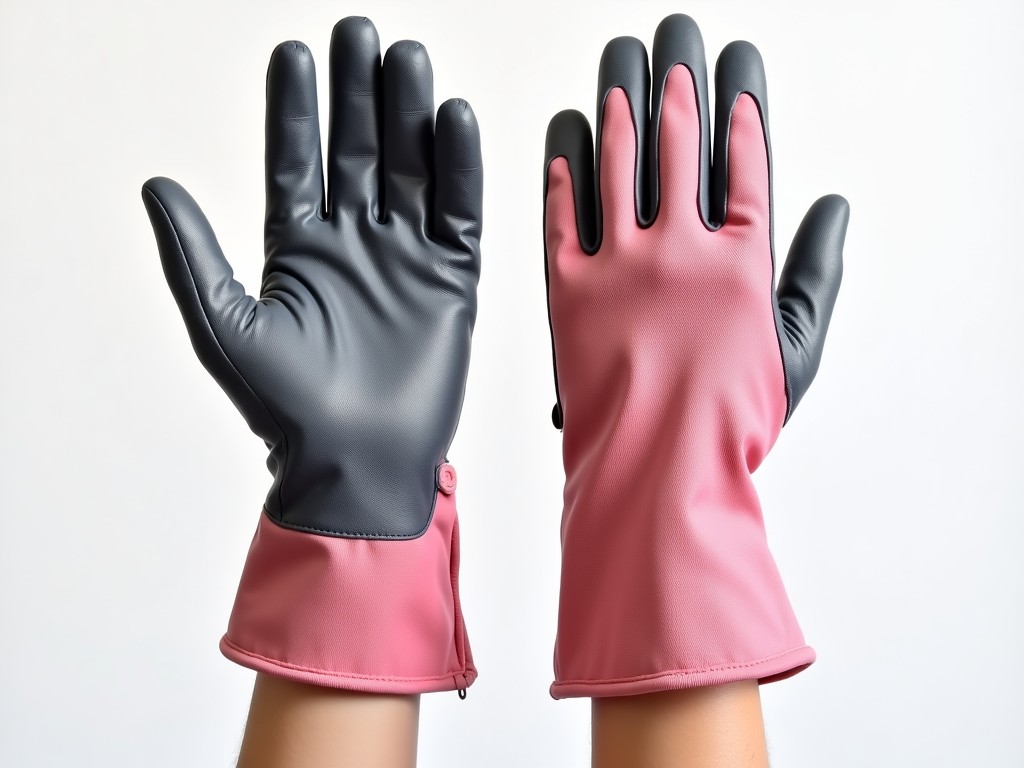
- Closure Hardware: Hidden invisible zippers for a flush aesthetic versus traditional button-covered snaps for mechanical de-fastening.
- Lining Options: Satin-lined for low friction or mesh-lined for increased thermal breathability.
- Seam Construction: Overlocked or French seams to minimize irritation against the skin during prolonged wear.
- Reinforcement: Reinforced elastic cuffs to ensure the glove remains seated at the wrist.
Material and Construction Comparison
| Material Type | Typical Weight (GSM) | Drape Characteristic | Durability Rating |
|---|---|---|---|
| Silk Mikado | 250-300 | Structured/Heavy | High |
| Silk Crepe | 80-120 | Fluid/Light | Medium |
| Polyester Tulle | 20-40 | Voluminous | Low |
| Satin Silk | 150-200 | Medium-Heavy | High |
Quality Assurance and Manufacturing Standards
Structural integrity in bridal sets depends on the precise distribution of weight across the bodice and the sleeves. Industrial-grade manufacturing utilizes internal boning to ensure the weight of a full skirt does not degrade the neckline of the gown. Quality inspection protocols include stress-testing on the glove-attachment points to ensure that the zippers or buttonholes do not fail under repeated tension.
Customization logic allows for adjustments in glove length to accommodate specific wearer measurements without altering the overall silhouette. These modifications ensure that the final product remains functional for extended periods while maintaining high aesthetic standards. By prioritizing these technical specifications, procurement managers can mitigate the risk of garment failure or aesthetic mismatch during events.
Are you seeking technical specifications or bulk manufacturing for wedding gowns with long gloves?
Request a Technical Quotation