Buy Mens Formal Dress Gloves
The procurement of formal dress gloves for men requires a technical understanding of material science, construction methods, and protocol requirements. In professional and ceremonial environments,
Buy Mens Formal Dress Gloves: Technical Specifications and Procurement Guide
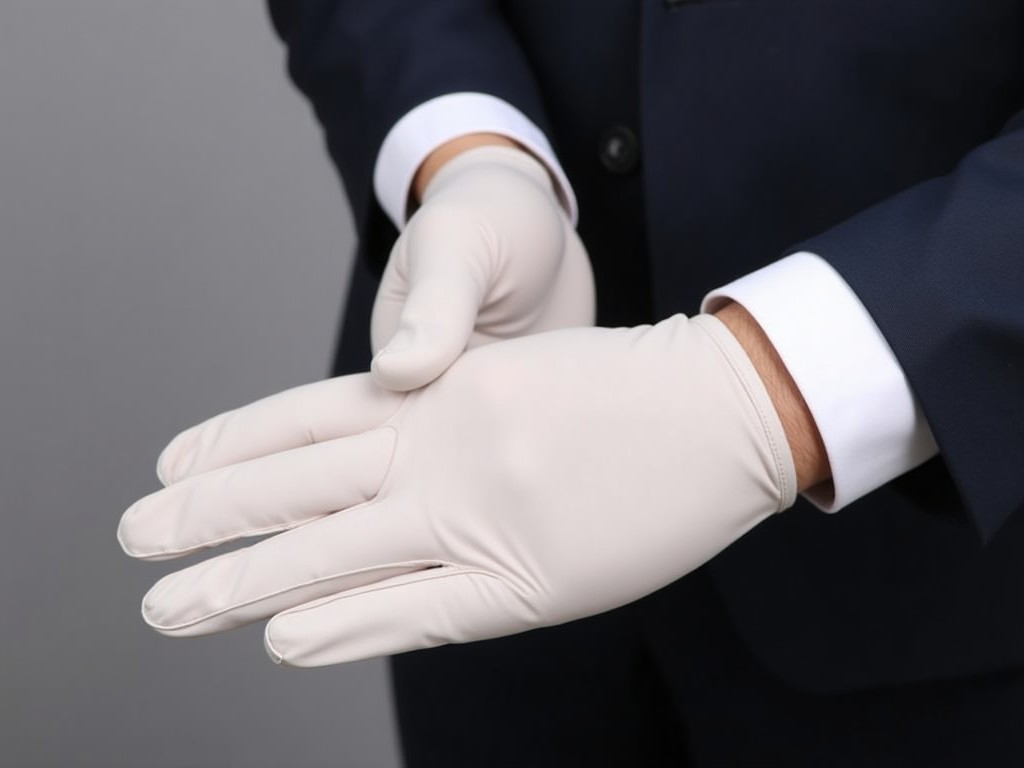
The procurement of formal dress gloves for men requires a technical understanding of material science, construction methods, and protocol requirements. In professional and ceremonial environments, these gloves serve as both a functional barrier to protect sensitive surfaces and a visual marker of adherence to strict dress codes. Selecting the correct textile or leather construction depends on the specific environmental conditions, required tactile sensitivity, and the aesthetic standards of the event protocol.
Material Selection for Formal Wear
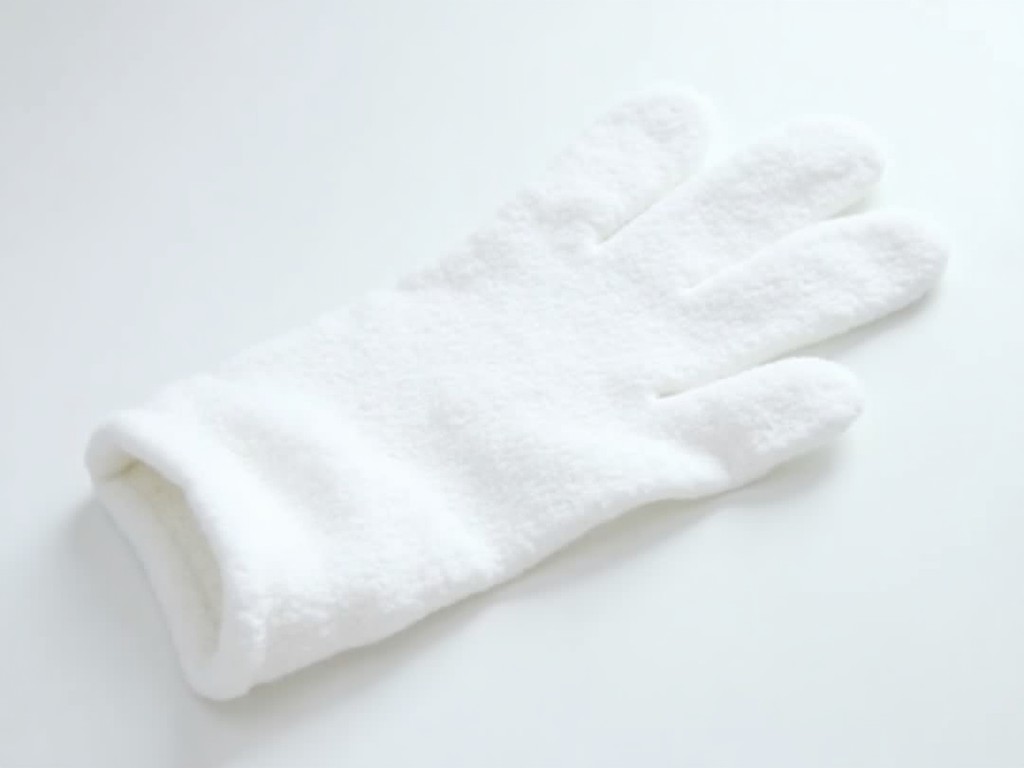
Material choice dictates the glove's thermal properties, durability, and friction. Silk-based gloves are frequently utilized in white-tie events due to their high luster and lightweight profile, providing minimal resistance when finger dexterity is paramount. Conversely, wool-blend fabrics offer superior insulation, making them suitable for outdoor winter ceremonies where thermal regulation is a critical factor for the wearer.
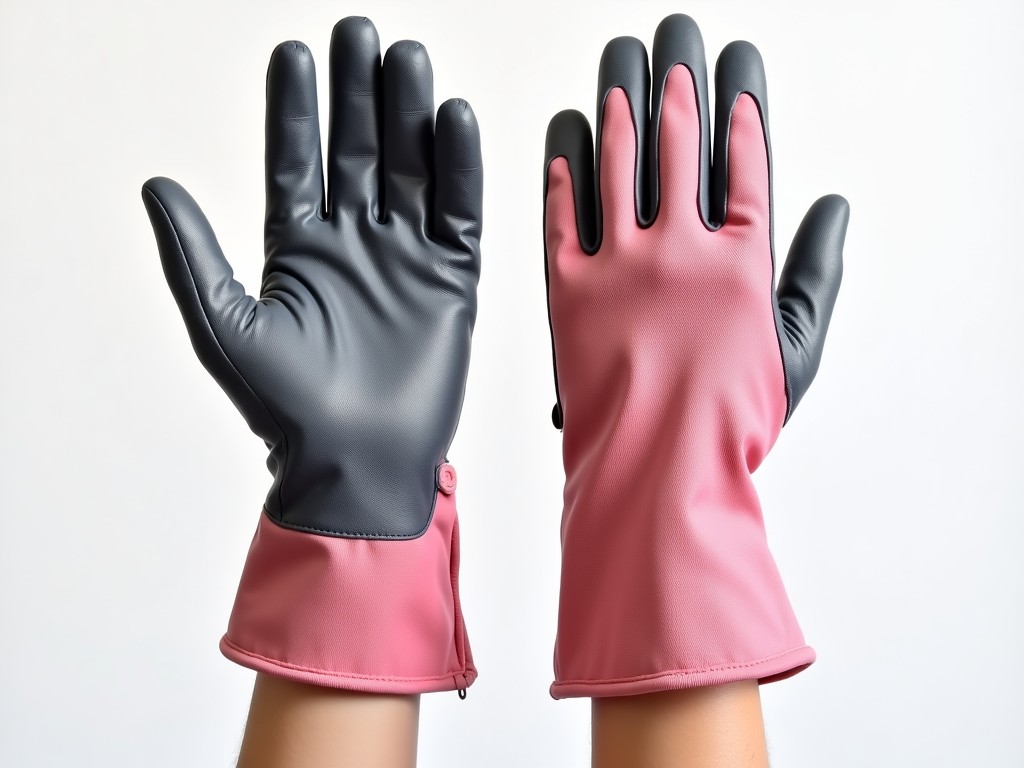
High-ply cotton remains a standard for industrial hospitality applications where breathability and ease of laundering are prioritized. For environments requiring higher structural integrity, lightweight leather—typically goatskin or kidskin—offers a molded fit that improves over time, unlike woven textiles which may lose their elastic memory after repeated mechanical stress.
| Material Type | Breathability | Durability Rating | Formality Level |
|---|---|---|---|
| Silk / Satin | High | Low | Extreme |
| Fine Cotton | High | Medium | Medium |
| Wool Blend | Medium | Medium | Medium |
| Kidskin Leather | Low | High | High |
Engineering Design and Ergonomics
The architecture of a formal glove is defined by its seam construction. French seams are preferred in high-end manufacturing because they encase the raw edges, preventing skin abrasion and ensuring a sleek profile that remains flat under tension. The placement of the three-point closure—located between the ring and middle finger—determines the range of motion available to the hand during complex tasks.
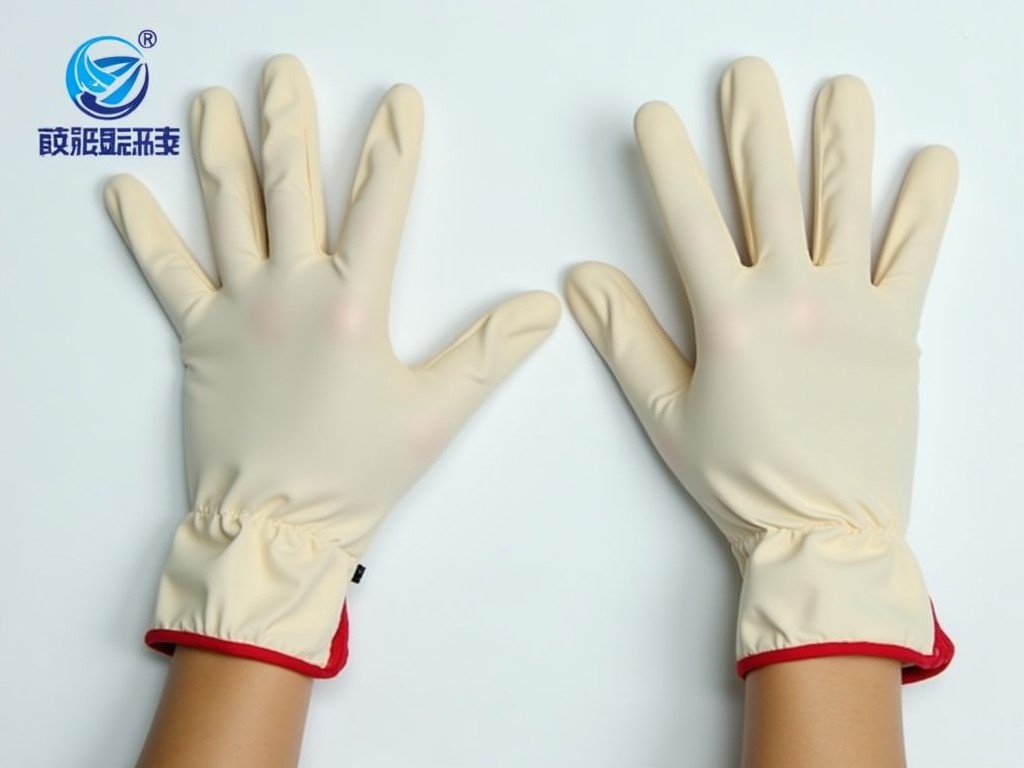
Elasticity is managed either through integrated elastic threads at the cuff or the natural properties of the fibers. For precision fit, a "welted" construction is often used to ensure the glove conforms to the anatomical contours of the palm without bunching, which would otherwise compromise the professional appearance and functionality of the wearer.
Industrial and Ceremonial Applications
- Diplomatic Protocol: Used during state-level presentations and signings to maintain hygiene while handling sensitive documents or artifacts.
- Luxury Hospitality: Employed by high-tier service staff to prevent oil transfer from skin to fine glassware or silver service.
- Ceremonial Military Use: Required for parades and guard of honors where uniform uniformity is a mandatory metric.
- Fine Art Handling: Utilized by curators when moving high-value items that are sensitive to skin acids and perspiration.
Quality Control and Inspection Standards
Industrial-grade formal gloves undergo rigorous tensile testing on the seams to ensure they do not fail under mechanical strain. Visual inspection focuses on color consistency across dye lots—particularly critical for white and black gloves—and the absence of any residual yellowing or fiber bleeding which could indicate poor dye stability.
Dimensional accuracy is also verified to ensure that sizing charts (Small to Extra Large) align with international standards, reducing the return rate for bulk orders where individual staff measurements may vary significantly.
Frequently Procurement Questions
Can custom sizes be manufactured for large organizations?
Yes, bulk-scale procurement often accommodates custom sizing runs based on provided measurement specifications to ensure uniform fit across an entire workforce.
What is the typical production lead time for bulk orders?
Standard production cycles typically range from 4 to 8 weeks, though custom-branded or specialized leather variants may require 12+ weeks depending on material availability and tooling complexity.
Are you looking for technical data sheets or a formal quote for your organization's procurement needs?
Request Technical Specifications and Quote