Selecting the right grip enhancement for industrial and formal handwear often comes down to a balance between dexterity and friction. In sectors where precision is non-negotiable, the integration of polymer reinforcements has transformed basic textile gloves into specialized tools.
The shift toward hybrid materials allows for the creation of gloves that maintain the breathability of cotton or polyester while adding targeted traction. This is particularly evident in the application of pvc dot gloves, which solve the common problem of slippage during high-stakes operations.
By examining the technical composition and application logic of these dotted enhancements, procurement managers can better align their equipment choices with the actual environmental demands of their workforce.
The Mechanics of Polymer Grip Dots
PVC dotting is not merely a surface coating but a calculated engineering process where Polyvinyl Chloride is applied in a patterned array. This creates a "stipple" effect that increases the coefficient of friction between the glove and the object being handled, without sacrificing the flexibility of the underlying fabric.
The efficacy of these dots depends on their height, diameter, and distribution density. A higher density of dots provides more stability for heavy lifting, whereas a sparser arrangement is better suited for tasks requiring high tactile sensitivity and rapid finger movement.
Material Synergies in Textile Production
The foundation of a high-performance glove lies in the substrate. Polyester fabrics are frequently utilized due to their wrinkle-free nature and ability to retain shape under stress. When combined with PVC dots, these fabrics offer a crisp, formal appearance suitable for security or ceremonial use, while providing the necessary grip for operational safety.
Other substrates, such as long-staple cotton or cotton-polyester blends, are chosen for their absorbent properties and skin-friendliness. The interaction between the synthetic PVC polymer and these natural or semi-synthetic fibers ensures that the dots remain adhered even after repeated machine washing, preventing the "peeling" effect common in lower-quality manufactures.
From a manufacturing perspective, the integration of these materials requires precise temperature control during the curing process. Over-heating can degrade the fabric fibers, while under-heating leads to poor adhesion of the grip dots, directly impacting the service life of the product in industrial environments.
Balancing Breathability and Traction
One of the primary challenges in designing grip gloves is the trade-off between surface coverage and airflow. A fully coated glove provides maximum protection and grip but often leads to heat buildup and perspiration, which can ironically cause internal slippage and discomfort.
The strategic use of PVC dots creates a breathable architecture, allowing air to circulate through the interstitial spaces of the fabric while maintaining high-friction contact points at the palm and fingertips.
This design philosophy is essential for long-duration wear in environments like parade security or warehouse logistics. By utilizing premium breathable materials, manufacturers can ensure that air circulation is maintained, reducing the risk of sweat accumulation and maintaining a professional appearance over extended shifts.
Performance Metrics for Grip Surfaces
Evaluating the quality of a grip glove requires a multi-dimensional approach. It is not enough to measure simple friction; one must consider wear resistance, the stability of the dots under shear force, and the retention of flexibility. A high-quality PVC dot application should not stiffen the fabric to the point of hindering natural hand movement.
The following relative index illustrates how different design priorities affect the overall utility of the glove, balancing the needs of tactile feedback against the necessity of a secure grip.
Figure 2. Relative Performance Index of Glove Configurations
Application Scenarios and Operational Needs
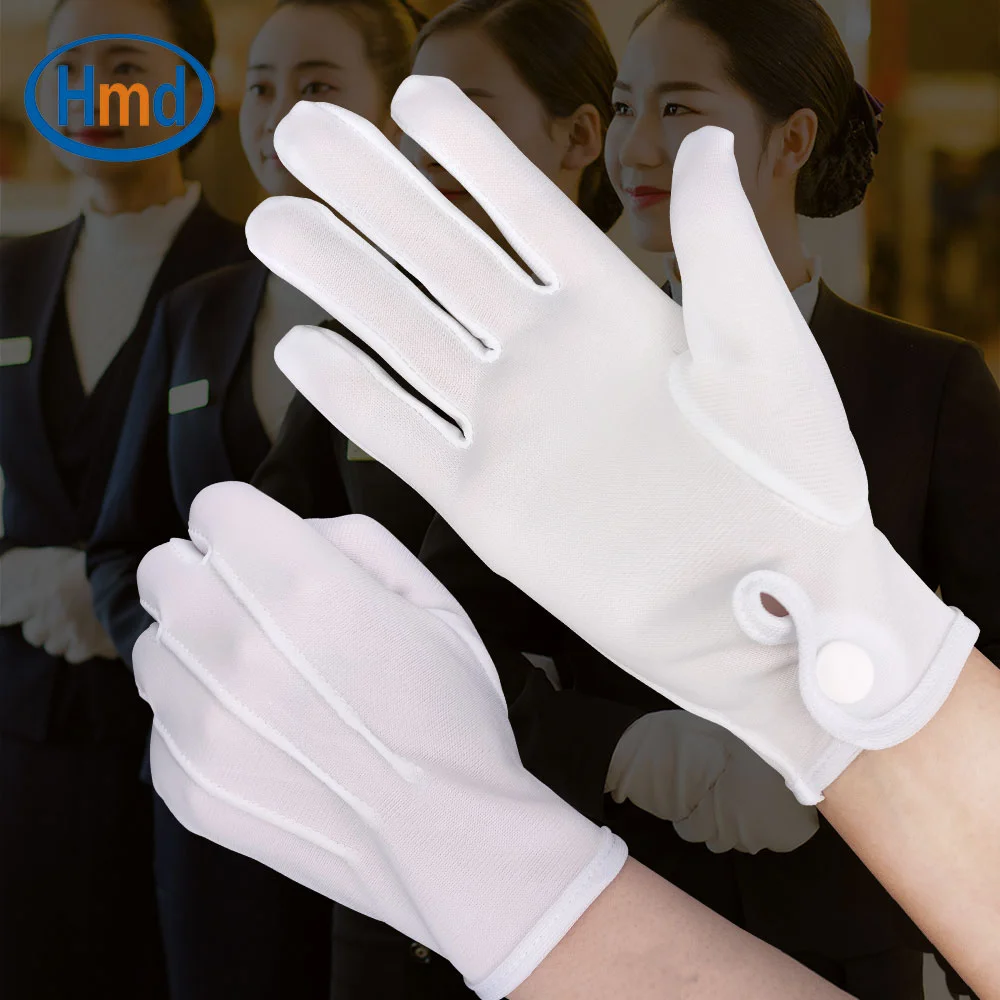
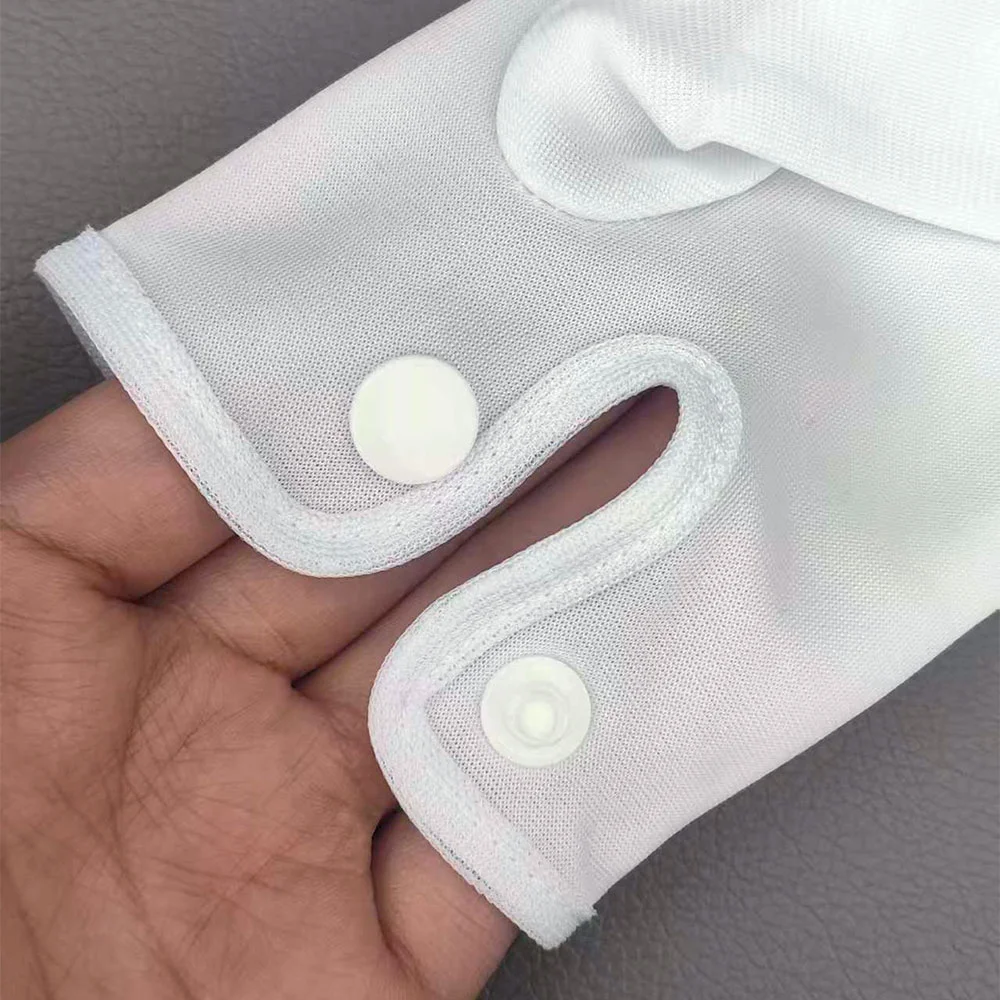
In a typical industrial setting, the requirement for grip varies by task. For instance, security personnel during a parade need a professional look—often black or white—combined with a non-slip grip to handle equipment and manage crowds effectively. In these cases, a polyester-based glove with an adjustable wrist buckle ensures a firm fit that doesn't slip during active duty.
Conversely, in logistics and general assembly, the focus shifts toward durability and washability. The ability of the glove to withstand machine washing without the PVC dots fading or peeling is critical for maintaining a stable supply of protective gear and reducing the total cost of ownership for the employer.
Evolution of Protective Handwear Standards
The industry is moving away from generic one-size-fits-all solutions toward highly customized hand protection. Modern requirements demand that gloves not only protect but also enhance the wearer's performance. This has led to the development of specialized lines, including UV protection gloves and microfiber options, depending on the environmental stress.
Compliance with international quality systems, such as ISO9001, has become a baseline for reliability. This ensures that from raw material procurement—whether it be long-staple cotton or high-grade polyester—to the final stitching, every pair meets a consistent standard of weight and strength.
Furthermore, the demand for eco-friendly and reusable products is pushing manufacturers to optimize the bonding process of PVC dots, extending the service life of the gloves and reducing textile waste in the industrial sector.
Selection Framework for Bulk Procurement
When sourcing in bulk, procurement officers must evaluate the relationship between the fabric type and the grip application. A glove designed for formal etiquette will have different requirements than one designed for industrial grip, even if both utilize a dotted surface.
Key considerations include the stability of the supply chain and the ability of the factory to provide customized branding or sizing. Direct sourcing from manufacturers who control the production process generally results in more competitive wholesale pricing and tighter quality control.
The following table provides a conceptual comparison to help determine the most suitable glove configuration based on specific operational constraints.
| Operational Goal | Preferred Substrate | Grip Requirement | Relative Suitability |
|---|---|---|---|
| Formal/Ceremonial | Polyester/Satin | Light PVC Dots | High |
| General Logistics | Cotton Blend | Dense PVC Dots | Very High |
| Precision Assembly | Microfiber | Minimal Dotting | Medium |
| Outdoor Security | Polyester | Moderate PVC Dots | High |
| Heavy Handling | Thick Cotton | Maximum PVC Dots | Very High |
| Medical/Cleanroom | Nylon/Polyester | No Dots (Smooth) | Low |
Questions & Answers
PVC dot gloves feature a patterned application of polymer, leaving the majority of the fabric exposed. This allows for significantly better breathability and flexibility compared to fully coated gloves, which provide a complete barrier but can cause heat buildup and reduce tactile sensitivity. Dots are ideal for tasks requiring a balance of grip and ventilation.
To maintain the adhesion of the PVC dots, it is recommended to use mild detergents and avoid excessive heat during the drying process. While many high-quality industrial gloves support machine washing, air drying or low-heat tumble drying prevents the polymer from becoming brittle or peeling away from the polyester or cotton substrate.
Polyester is generally preferred for formal security and ceremonial use because it is wrinkle-free and maintains a crisp, neat appearance throughout the day. When paired with an adjustable wrist buckle and PVC dots, it provides the professional aesthetic required for parades while ensuring a secure grip on equipment.
Yes, most direct-source factories offer customization services. This includes the addition of customized logos, specific color matching to corporate identity, and tailored sizing. Customization is typically handled during the production phase, allowing for the integration of branding without compromising the functional grip of the PVC dots.
Depending on the dot density, there may be a slight change in feel, but the stipple design is specifically intended to maintain more sensitivity than a solid coating. For tasks requiring extreme precision, a lower dot density or targeted placement (palm only) is recommended to keep the fingertips as responsive as possible.
Look for certifications such as ISO9001, which indicate a commitment to consistent quality management. Evaluate their production capacity, the variety of substrates they offer (e.g., long-staple cotton, polyester, microfiber), and their ability to provide sample batches for functional testing of grip stability and wash-fastness before placing a bulk order.
Final Thoughts
The integration of PVC dotting into textile gloves represents a pragmatic solution to the perennial conflict between hand protection and operational efficiency. By strategically applying polymer friction points, manufacturers can produce handwear that is professional in appearance, breathable in wear, and secure in application.
As industry standards evolve, the focus will continue to shift toward material synergy and customized ergonomics. For those managing large-scale procurement, prioritizing a direct-factory relationship ensures that these technical requirements are met with precision and cost-effectiveness.