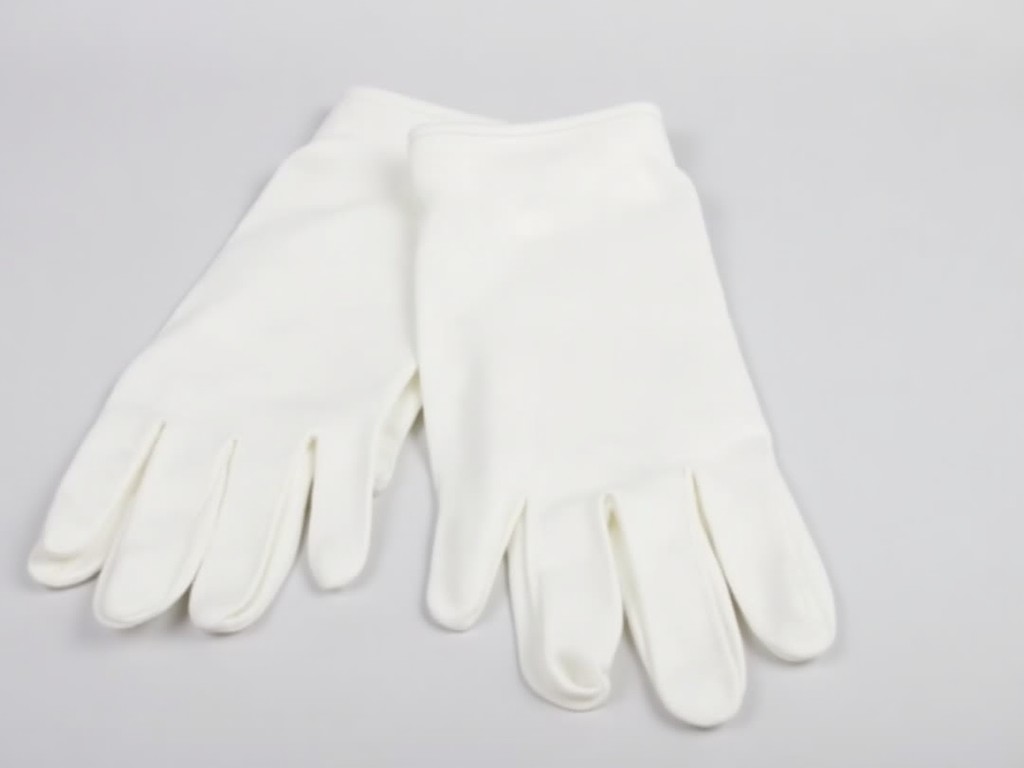
White Soft Cotton Gloves Factory Price
selection of white cotton gloves for industrial environments requires a technical evaluation of fiber density, weave tension, and tactile sensitivity. Unlike synthetic alternatives, natural cotton
White Soft Cotton Gloves Factory Price & Technical Specifications
selection of white cotton gloves for industrial environments requires a technical evaluation of fiber density, weave tension, and tactile sensitivity. Unlike synthetic alternatives, natural cotton fibers offer high breathability and moisture absorption, which are critical for tasks where hand comfort affects dexterity over time. Procurement managers typically evaluate these gloves based on their ability to provide a barrier against dust and minor abrasions while maintaining the flexibility required for high-precision assembly.
The manufacturing process for these gloves involves high-speed circular knitting, which determines the structural integrity of the fabric. A higher GSM (grams per square meter) results in a more durable glove with increased abrasion resistance but reduces fine motor control. Understanding the relationship between the yarn count and the resulting fabric thickness is essential for selecting the right product for specific production line requirements.
Technical Performance Specifications
| Specification | Typical Values | Industrial Impact |
|---|---|---|
| Material Composition | 100% Cotton or Cotton-Poly Blend | Affects breathability and ESD |
| Weight (GSM) | 130 GSM - 240 GSM | Durability vs. flexibility |
| Weave Type | Jersey or Plain Knit | Elasticity and fit |
| Cuff Type | Elasticated or Ribbed | Prevents sleeve slide |
Industrial Application Logic
In the electronics assembly sector, white cotton gloves are utilized to prevent the transfer of oils and fingerprints to sensitive components. Since natural fibers do not generate significant static electricity compared to certain synthetics, they mitigate the risk of electrostatic discharge. The soft texture allows technicians to handle small screws and PCBs without the risk of scratching delicate surface finishes.
Automotive painting and finishing industries employ these gloves during the preparation phase to clean surfaces. The lint-free nature of high-grade cotton ensures that no fibers are left on the substrate before primer application. Because the material is breathable, workers can maintain high productivity during long shifts, which reduces fatigue-related errors in quality control inspection tasks.
Logistics and warehousing operations often use these gloves for general-purpose protection while handling crates and metal parts. The knit structure provides a mechanical barrier against cardboard abrasions and minor burrs. In high-volume environments, the cost-per-use ratio of cotton gloves makes them economically viable compared to specialized protective equipment.
Factory Pricing Variables and Production Factors
The factory price of white cotton gloves is primarily driven by the global market price of raw cotton fibers. Fluctuations in harvest yields directly impact the unit cost for large-scale orders. Additionally, the density of the yarn affects the material consumption rate; a higher GSM glove requires more raw material per pair, resulting in a higher price point.
Order volume plays a significant role in determining the final quote. Large-scale procurement allows manufacturers to amortize the setup costs of circular knitting machines over a larger production run. Customization requirements, such as specific sizing, branded embroidery, or specialized retail packaging, add additional labor and material costs to the base factory price.
Customization and Procurement Options
- Sizing: Available from Small (S) to Extra Large (XL) to accommodate diverse workforce needs.
- Blends: Choice between 100% organic cotton or cotton-polyester blends for enhanced durability and elasticity.
- Packaging: Bulk pack (120 pairs/bag), poly-wrapped, or custom retail-ready distribution boxes.
- Branding: Screen printing or heat-transfer logos for corporate identification.
Frequently Asked Questions
What is the minimum order quantity (MOQ) for factory pricing?
Typical MOQ for factory production ranges from 1,000 to 5,000 pairs depending on the specifications. Smaller quantities may be available through distributors but will not qualify for wholesale rates.
Can these gloves be bleached for sterile environments?
While white cotton can be bleached, industrial bleaching can weaken the fibers. For sterile environments, we recommend specialized medical-grade disposable gloves rather than standard industrial cotton variants.
What is the typical lead time for international shipments?
Standard lead times are usually 15 to 30 days for bulk orders, depending on production capacity and the chosen shipping method.
Are you seeking a detailed technical data sheet or a bulk quotation for your manufacturing requirements?
Request a Technical Quote


