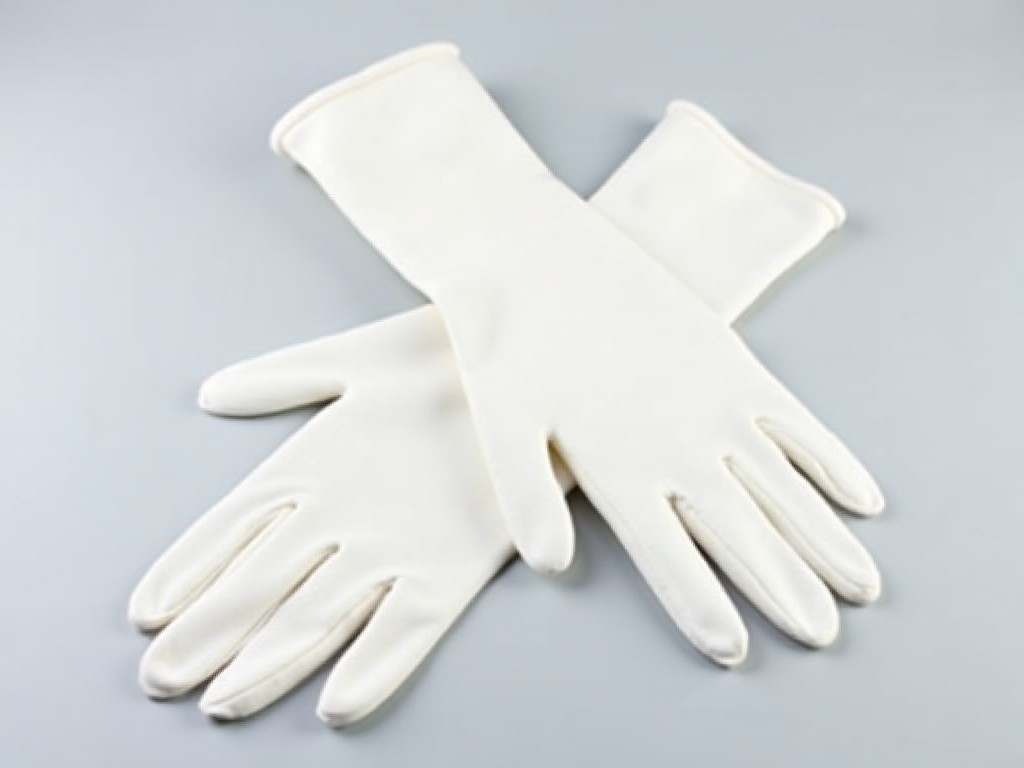
White Cotton Liner Gloves Factory Price
Industrial white cotton liner gloves function as a fundamental barrier in assembly environments where tactile sensitivity and moisture management are critical. These liners are primarily engineered
White Cotton Liner Gloves Factory Price
Industrial white cotton liner gloves function as a fundamental barrier in assembly environments where tactile sensitivity and moisture management are critical. These liners are primarily engineered from natural cellulose fibers to provide a breathable layer that protects sensitive components from skin oils and particulate contamination. When evaluating procurement at factory scales, the cost structure is dictated by the knit density, the purity of the cotton yarn, and the specific mechanical requirements of the seamless knitting process.
The performance of a cotton liner is measured by its GSM (grams per square meter). A higher GSM count offers better abrasion resistance and thickness for heavy-duty handling, whereas lower GSM weaves provide maximum dexterity for high-precision electronics assembly. Manufacturing facilities utilize circular knitting machines to ensure a seamless construction, eliminating friction points that could damage delicate surfaces during repetitive tasks.
Technical Specifications and Material Variance
The following table outlines standard technical parameters for industrial-grade cotton liner gloves. Values are typically adjusted based on specific project requirements and material grade selections.
| Parameter | Standard Specification | Heavy-Duty Option |
|---|---|---|
| Material Composition | 100% Combed Cotton | 80% Cotton / 20% Polyester |
| Fabric Weight (GSM) | 130 GSM - 150 GSM | 200 GSM - 240 GSM |
| Knit Type | Single Jersey Seamless | Double Jersey / Reinforced |
| Cuff Construction | Elasticated Single Edge | Reinforced Tabbed |
| Color | Natural White / Bleached | Optical Bleached White |
Industrial Application Logic
Engineers select cotton liners based on the specific environmental demands of the production line. The absorption properties of cotton make it ideal for environments where perspiration could compromise grip or component surface integrity.
- Electronics Assembly: Light-weight liners prevent the transfer of skin acids and oils to PCBs and sensitive components, providing the necessary dexterity for through-hole and surface-mount tasks.
- Automotive & Aerospace: During secondary manufacturing, these gloves protect against micro-scratches on machined metal surfaces while maintaining a grip on bolts and fasteners.
- Food Processing & Logistics: Used as a primary hygiene barrier for workers handling non-packaged goods, ensuring a consistent level of cleanliness across the sorting line.
- Glass Handling: Provides a soft-interface coating that prevents breakage and fingerprints without the bulk associated with heavy rubberized safety gloves.
Factors Influencing Factory Pricing
The unit price of white cotton liner gloves is not static; it fluctuates based on several technical and logistical variables. The primary cost driver is the raw material quality; long-staple combed cotton offers higher durability and less linting compared to short-staple alternatives.
Knitting density also plays a significant role. A higher-gauge knit requires more yarn consumption per unit and increases the production time on the circular knitting machines. Furthermore, the volume of the order allows for greater economies of scale in machine setup and bulk logistics, which significantly reduces the per-pair cost for large-scale OEM contracts.
Quality Control and Manufacturing Process
Production begins with yarn tension testing to ensure uniform elasticity across the batch. Once the circular knitting is complete, the gloves are de-linked and inspected for structural integrity. This stage is critical for identifying dropped stitches that could compromise the integrity of the glove.
Quality assurance protocols include tensile testing of the elastic cuffs to ensure they return to their original shape after repeated use. We also monitor for linting levels, ensuring the product meets the cleanliness requirements for clean-room or high-sensitivity manufacturing environments.
Frequently Asked Questions
What sizes are available for bulk orders?
Standard sizing typically ranges from Small (S) to Extra Large (XL). Custom size-specific tooling can be accommodated for specific OEM requirements to ensure ergonomic fit across the workforce.
Can the gloves be branded with company logos?
Yes, heat-transfer printing or screen printing is available for industrial orders. The method chosen depends on the fabric blend and the desired durability of the logo.
What is the typical lead time for a container shipment?
Lead times generally range from 25 to 45 days depending on the order volume, raw material availability, and specific customization specifications requested.
For a technical quotation or to request samples for your production line, please contact our engineering sales team.
Request Technical Quotation


