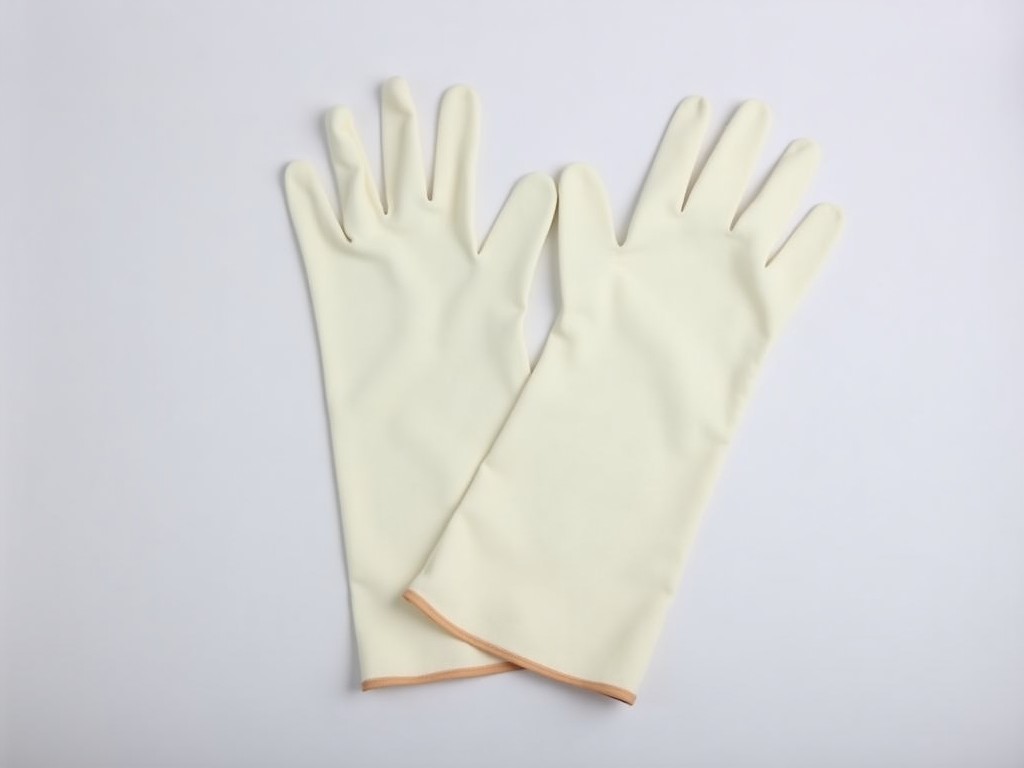
Safety Cotton Hand Gloves Suppliers
Industrial cotton gloves serve as a foundational layer of protection in manufacturing environments where dexterity and thermal regulation are prioritized. Unlike specialized heavy-duty leather or
Safety Cotton Hand Gloves Suppliers
Industrial cotton gloves serve as a foundational layer of protection in manufacturing environments where dexterity and thermal regulation are prioritized. Unlike specialized heavy-duty leather or synthetic composites, cotton-based PPE offers high tactile sensitivity and superior moisture absorption during repetitive manual tasks. Selecting the correct supplier requires an understanding of fiber density, weave tension resistance, and the specific mechanical stress requirements of the assembly line.
Technical Specifications of Industrial Cotton Gloves
The performance of a cotton safety glove is primarily dictated by its yarn composition and weave density, typically measured in grams per square meter (GSM). High-grade industrial variants utilize 100% long-staple cotton for maximum breathability, while blends incorporating polyester or nylon increase the tensile strength and reduce shrinkage after industrial laundering.
Weave patterns significantly alter the glove's elasticity and abrasion resistance. A plain weave provides a tighter surface area for protecting against micro-abrasions, whereas a jersey or knit weave allows the material to conform to the ergonomic contours of the hand, reducing musculoskeletal fatigue during tasks requiring prolonged fine motor movement.
| Weave Type | Typical Weight (GSM) | Primary Industrial Application |
|---|---|---|
| Plain Weave | 130 - 180 GSM | Heavy-duty handling, glass protection |
| Jersey/Knit | 150 - 220 GSM | General assembly, electronics handling |
| Reinforced Knit | 200+ GSM | High-abrasion zones, metal work |
Application-Specific Selection
Procurement managers evaluate cotton gloves based on the specific risk profile of the work environment. In cleanroom settings, white cotton gloves are utilized to prevent particulate transfer to sensitive optical or electronic components. Conversely, in automotive assembly, these gloves often serve as a primary barrier against minor cuts and oils while maintaining the grip necessary for small fastener installation.
- Static Management: Natural cotton fibers help dissipate static buildup compared to pure synthetic alternatives in low-humidity environments.
- Tactile Sensitivity: Thin-gauge cotton allows operators to feel surface textures and tolerances critical for precision engineering.
- Thermal Regulation: High breathability prevents hand sweat buildup in warm, non-climate-controlled industrial zones.
Quality Control and Manufacturing Standards
Reliable suppliers implement rigorous testing to ensure seam integrity and fiber consistency. This includes testing the tensile strength of the yarn to guarantee that the glove will not fail under mechanical tension. Furthermore, chemical analysis is performed to ensure the absence of harmful dyes or residues that could cause contact dermatitis during prolonged exposure cycles.
Consistency in bulk orders is maintained through automated knitting machinery that ensures that sizing remains uniform across thousands of units. Significant deviations in sizing can lead to poor fit, which directly impacts safety risks by creating snag hazards in moving machinery.
Customization and Bulk Procurement
Large-scale operations often require customization to meet specific safety protocols. This may include the application of polyurethane (PU) or nitrile coatings on the palm surface to enhance grip resistance and chemical protection without sacrificing the cotton interior. Logo embroidery is also common for identifying departmental zones within large-scale logistics hubs.
Bulk procurement typically involves tiered lead times based on order volume and specific coating requirements. Suppliers should provide technical data sheets for each material variant to ensure that the PPE aligns with the organization's internal safety and compliance standards.
Frequently Asked Questions
Can cotton gloves be customized for specific chemical resistance?
While pure cotton offers limited chemical resistance, it can be dipped in nitrile, latex, or polyurethane coatings to provide a barrier against specific solvents or oils.
What is the typical production lead time for bulk unbranded orders?
Standard unbranded cotton gloves are often available within 2-4 weeks, whereas customized coatings or embroidery may extend this to 6-8 weeks depending on factory capacity.
Are these suitable for industrial laundering?
Yes, high-density industrial cotton gloves are designed to withstand multiple wash cycles, though synthetic blends will hold their shape better than 100% cotton over long time.
Requires a technical specification or a volume quote for your industrial safety program?
Request Technical Inquiry


