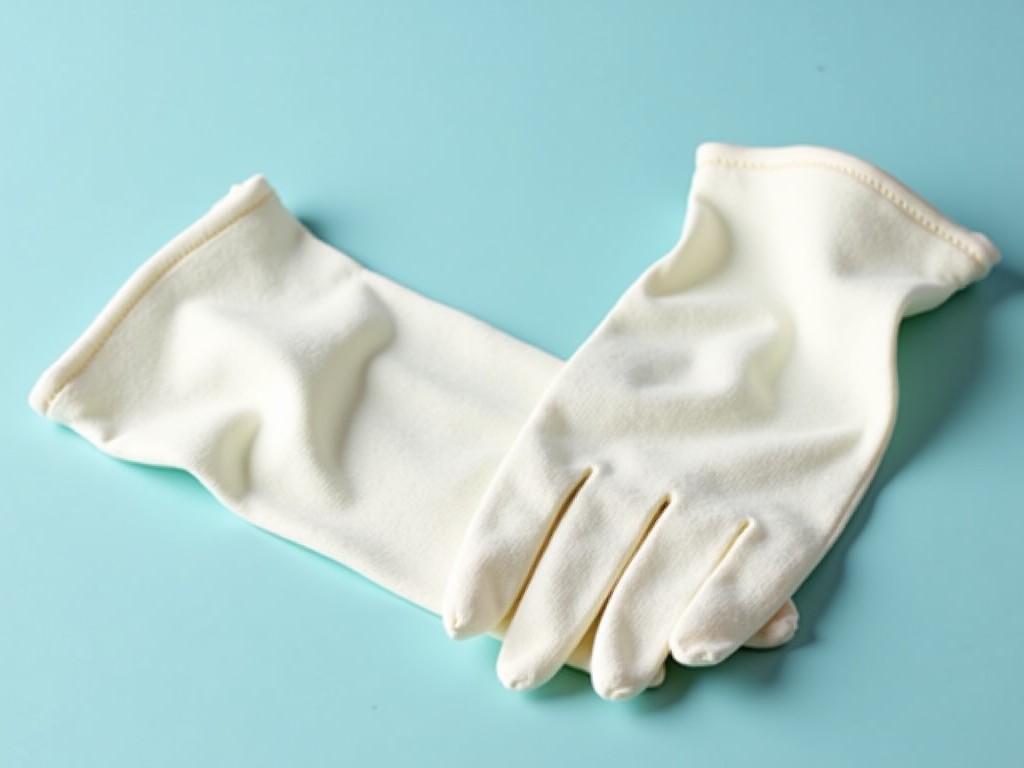
Organic Cotton Gloves For Dry Hands
Industrial environments with climate-controlled temperatures or high-frequency manual handling often lead to skin dehydration and occupational cracking. Organic cotton gloves provide a breathable
Organic Cotton Gloves for Dry Hands
Industrial environments with climate-controlled temperatures or high-frequency manual handling often lead to skin dehydration and occupational cracking. Organic cotton gloves provide a breathable barrier that manages moisture levels while maintaining the integrity of the epidermal layer. Unlike synthetic alternatives, certified organic fibers are grown free from synthetic pesticides and heavy metals, reducing the risk of contact dermatitis for workers with sensitive skin during prolonged shifts.
The structural composition of organic cotton fibers allows for high hygroscopicity, meaning the material absorbs sweat away from the skin. This prevents the buildup of moisture that can lead to fungal growth or skin irritation. By utilizing a high-density knit, these gloves ensure a consistent fit that provides mechanical protection without sacrificing the tactile sensitivity required for precision assembly tasks.
Material Specifications and Fiber Performance
Selection of the correct glove depends on the grams per square meter (GSM) and the weave pattern. Industrial-grade organic cotton gloves typically range from 160 to 240 GSM, offering a balance between thermal insulation and manual dexterity. A jersey weave is often preferred for its natural elasticity, which ensures the glove conforms to the ergonomic contours of the hand without bunching at the fingertips.
Fiber integrity is maintained through the use of long-staple cotton, which reduces pilling and increases tensile strength. This smoother surface also minimizes the transfer of lint fibers to sensitive components, a critical factor in electronics and clean-assembly environments. The following table outlines the technical performance of organic cotton relative to common industrial materials.
| Feature | Organic Cotton | Polyester Blend | Industrial Impact |
|---|---|---|---|
| Moisture Absorption | High | Low | Prevents skin dehydration |
| Breathability | Excellent | Moderate | Reduces heat buildup |
| Chemical Purity | Certified (GOTS) | Variable | Lowers allergen risk |
| Abrasion Resistance | Medium | High | Determines replacement cycle |
Industrial Applications
Organic cotton gloves are deployed in sectors where skin health and product purity are concurrent priorities. In logistics and warehousing, workers handling dry cardboard or metal components often suffer from friction-induced skin dryness; the natural softness of organic cotton prevents the mechanical irritation common with latex or nitrile gloves used for multi-hour shifts.
In the electronics and precision optics industry, these gloves serve as a barrier against skin oils and fingerprints. Because organic cotton is processed without harsh chemical bleaches, it reduces the risk of chemical contamination on sensitive surfaces. Furthermore, in medical or laboratory settings, they are utilized as a base layer under nitrile gloves to absorb perspiration and improve wearer comfort during long procedures.
Quality Control and Manufacturing Standards
Manufacturing processes adhere to the Global Organic Textile Standard (GOTS) to ensure that the entire supply chain, from seed-harvest to the finished product, meets strict environmental and social criteria. Quality assurance protocols include tensile strength testing to ensure the knit does not tear under standard industrial stress-levels.
Each batch undergoes lint-free analysis to verify that the gloves meet the requirements for clean-environment compatibility. Dimensional stability is also monitored through industrial laundering tests to ensure that the sizing does not undergo significant shrinkage, which would compromise the safety and ergonomic fit.
Frequently Asked Questions
Can these gloves be customized for specific OEM requirements?
Yes, we offer custom sizing, specific GSM weights, and reinforced palm options based on technical specifications and order volume requirements.
What is the typical production lead time for bulk orders?
Lead times generally vary between 4 to 8 weeks depending on the volume and the complexity of the knit weave requested.
Are the GOTS certifications provided for each shipment?
We provide the necessary documentation and certification numbers upon request to verify the organic status of the fibers in every procurement cycle.
For technical data sheets or to request a quote for bulk industrial supply, contact our engineering sales team.
Request Technical Quotation


