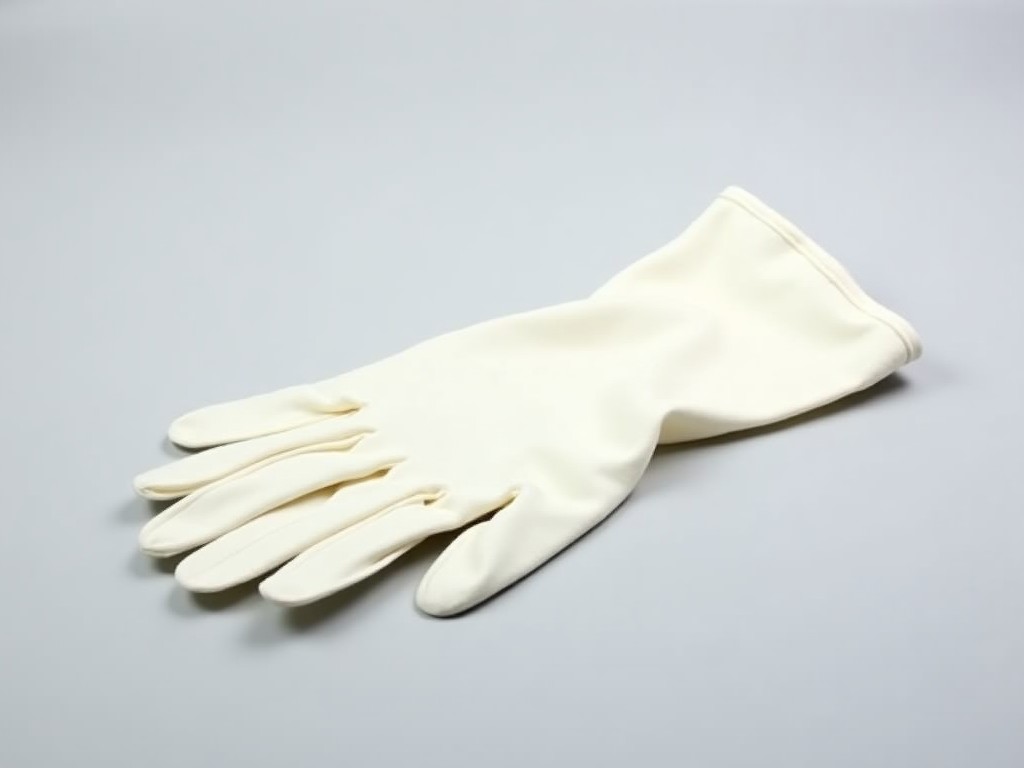
Oem White Cotton Work Gloves Bulk
Industrial procurement of white cotton work gloves requires an understanding of fiber density, knit construction, and mechanical barrier properties. Unlike synthetic alternatives, natural cotton
OEM White Cotton Work Gloves Bulk
Industrial procurement of white cotton work gloves requires an understanding of fiber density, knit construction, and mechanical barrier properties. Unlike synthetic alternatives, natural cotton provides inherent breathability and moisture absorption which are critical for tasks requiring prolonged manual dexterity. When sourcing in bulk for OEM applications, consistency in the fabric weight and weave ensures uniform tactile feedback across large production lines.
The performance of these gloves is largely dictated by the gauge of the knit. A higher-gauge knit (such as 13-gauge) offers a thinner profile for precision assembly, while a lower-gauge knit provides more loft and cushioning for heavier-duty handling tasks.
Material Specifications and Textile Engineering
The primary material typically consists of 100% cotton or a cotton-polyester blend designed to balance cost-efficiency with durability. Pure cotton variants are preferred in environments where static buildup must be minimized or where skin sensitivity is high. The fabric weight is measured in grams per square meter (GSM), directly influencing the thickness and abrasion resistance of the glove.
- Plain Weave: Provides a flat surface that minimizes snagging, ideal for handling delicate finished metal components.
- Terry Knit: Features looped yarns that increase surface area for superior oil absorption and moisture-wicking.
- Jersey Knit: Offers high elasticity and a snug fit that conforms to the hand shape for complex ergonomic movements.
Dimensional stability is another key metric monitored during bulk manufacturing. High-quality OEM production involves pre-shrinking processes to ensure that gloves maintain their specified dimensions after multiple industrial laundering cycles, preventing the sizing variances that often disrupt workflow efficiency.
OEM Customization and Branding Logic
Customization for industrial clients allows organizations to integrate safety protocols directly into their supply chain. Beyond simple labeling, technical modifications can be made to the glove to meet specific environmental hazards.
Branding Methods
Branding is typically achieved through high-density embroidery, heat transfer printing, or screen printing. For high-volume bulk orders, embroidery is often preferred for its durability, as it does not degrade or peel like printed inks under mechanical friction.
Functional Modifications
OEM partners can request specialized coatings on the palm or fingers. Common options include polyurethane (PU) for enhanced grip in dry environments, or thin nitrile coatings for chemical splash resistance and increased abrasion protection. These modifications transform a basic cotton glove into a specialized personal protective equipment (PPE).
Industrial Applications
Cotton gloves serve as a primary barrier against contaminants and scratches across various sectors. In the electronics industry, they prevent the transfer of skin oils and particulates to sensitive components, which could lead to soldering failures.
Automotive Assembly: Used during final assembly stages to prevent fingerprints and minor abras on polished metal surfaces.
Logistics and Warehousing: Utilized for general hand protection during box handling and sorting where breathability is prioritized over long shifts.
Laboratory Work: Provides a clean, disposable barrier for technicians handling glassware or non-corrosive materials.
Technical Comparison Table
| Glove Type | Weave Structure | Primary Benefit | Best Use Case |
|---|---|---|---|
| Plain Cotton | Flat Weave | High Tactility | Electronics Assembly |
| Terry Knit | Looped Yarn | High Absorption | Oil/Fluid Handling |
| PU Coated | Jersey + Film | Grip Resistance | Precision Parts Handling |
Manufacturing and Quality Control
Bulk manufacturing involves a multi-stage inspection process to meet industrial safety standards. Every batch is subjected to needle detection testing to ensure no metallic fragments remain in the finished product, a non-negotiable requirement for many OEM contracts.
Seam strength is also verified to ensure the thumb-seam and wrist reinforcements do not fail under stress. Quality control teams operate based on AQL (Acceptable Quality Level) standards, ensuring the rate of defects remains within the tolerances defined by the client's specific industry.
Request technical specifications or a bulk quotation for your OEM project.
Inquire for Bulk Pricing


