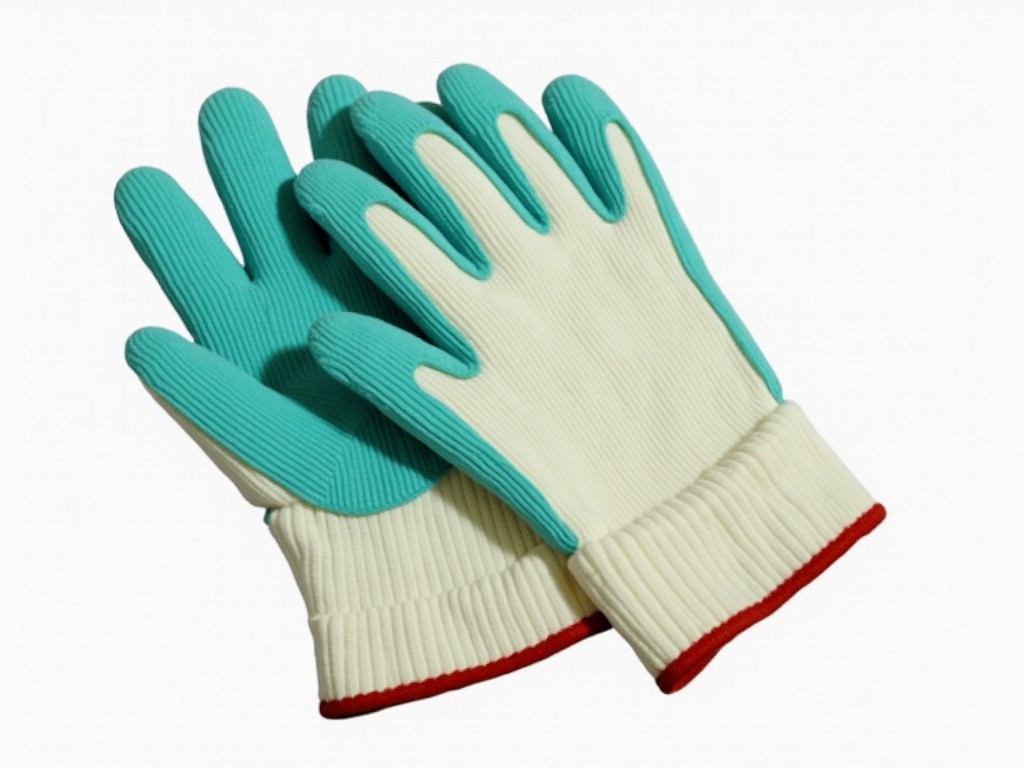
Mens Cotton Gardening Gloves Factory Price
Industrial-grade procurement of cotton-based gloves requires a precise balance between moisture management and mechanical tactile sensitivity. For large-scale agricultural and landscaping operations,
mens cotton gardening gloves Factory Price Procurement Specifications
Industrial-grade procurement of cotton-based gloves requires a precise balance between moisture management and mechanical tactile sensitivity. For large-scale agricultural and landscaping operations, high-thread count cotton fibers provide essential thermal regulation, significantly reducing hand fatigue during extended outdoor exposure. This technical overview outlines the material standards and manufacturing logic involved in bulk-ordering cotton protective gloves.
The performance of a gardening glove is primarily dictated by the weight of the knit and the composition of the protective coating. While pure cotton offers maximum breathability, industrial-use variants often incorporate a nitrile or PVC dip to enhance abrasion resistance and puncture protection without sacrificing the flexibility of the natural fiber.
Technical Specifications Matrix
| Feature | Typical Specification | Industrial Benefit |
|---|---|---|
| Base Material | 100% Cotton or Cotton-Poly Blend | Moisture wicking and structural integrity |
| Fabric Weight | 130 GSM - 240 GSM | Balance between palm thickness and dexterity |
| Coating Type | Nitrile, Latex, or Textured PVC | Resistance to oils, chemicals, and thorns |
| Reinforcement | Double-needle seam stitching | Prevents seam failure under high-tension movement |
| Sizing Standards | M, L, XL (Mens) | Ergonomic fit for diverse workforce |
Material Analysis and Durability Logic
Selecting the right material depends on the specific environmental stressors of the task. Pure cotton jersey knits are preferred for dry-condition tasks where high airflow is the priority. However, for agricultural work involving wet soil, moisture, or abrasive vegetation, a nitrile-dipped surface is necessary because it provides a polymer barrier to prevent water saturation of the cotton fibers.
The density of the knit, measured in grams per square meter (GSM), directly impacts the lifespan of the glove. A higher GSM indicates a thicker barrier that resists punctures but may reduce the fine motor dexterity required for handling delicate tools or seeds. Procurement managers typically target the 180 GSM weight range as the "sweet spot" for general-purpose landscaping applications.
Manufacturing Process and Quality Control
Factory-level production utilizes precision die-cutting to ensure dimensional consistency across thousands of units. This method minimizes material waste, which is a primary factor in maintaining a competitive factory price. After cutting, the gloves undergo a coating process where the polymer is applied uniformly to ensure the grip does not peel or crack under repeated mechanical stress.
Quality assurance protocols in industrial manufacturing include tensile strength testing of the seams and adhesion tests on the coating. We verify that the stitching can withstand the lateral forces applied when a worker grips heavy machinery or tools. These rigorous checks reduce the risk of field failure, lowering the overall replacement cost for the distributor.
Industrial Applications
- Commercial Agriculture: Protection against thorns, blisters, and soil microbes while maintaining breathability for long shifts.
- Landscaping Maintenance: Resistance to abrasive surfaces during brush clearing, pruning, and debris removal.
- Light Industrial Assembly: Heavy-duty handling of metal components where tactile feedback is required for precision work.
- Warehouse and Logistics: High-grip surfaces for handling cardboard and plastic crates safely.
Bulk Pricing and Customization Logic
The factory price for mens cotton gardening gloves is determined by three primary variables: Minimum Order Quantity (MOQ), material grade, and coating complexity. Larger volume orders benefit from economies of scale in the setup phase of die-cutting and polymer coating lines. Customization options, such as logo printing or specific reinforcement zones, can be integrated into the production line to meet OEM branding requirements.
To receive a formal quotation based on your specific volume and technical requirements, please contact our technical sales team. We provide detailed data sheets and sample batches to ensure compliance with your operational standards.
Ready to discuss technical specifications for your bulk order?
Request a Factory Quotation


