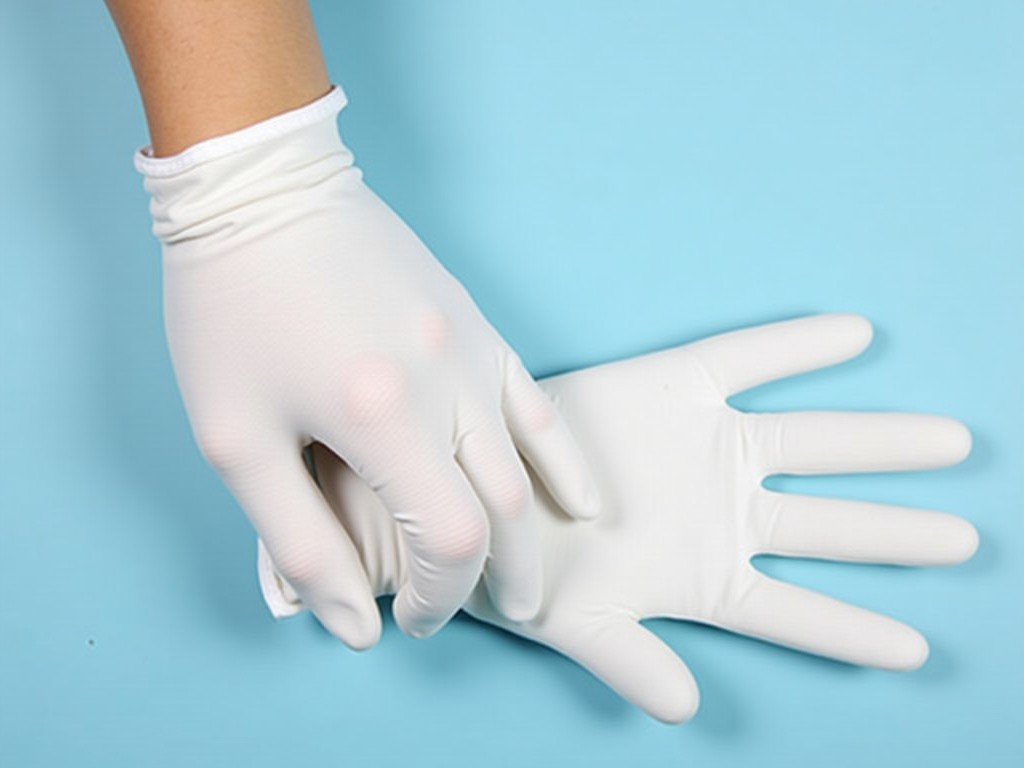
Chinae White Gloves With Grip Dots
Industrial white gloves with grip dots are engineered to bridge the gap between tactile sensitivity and mechanical friction requirements. Unlike standard cotton work gloves, these units integrate
China White Gloves with Grip Dots
Industrial white gloves with grip dots are engineered to bridge the gap between tactile sensitivity and mechanical friction requirements. Unlike standard cotton work gloves, these units integrate specialized non-slip polymers onto a fabric substrate to ensure secure handling of smooth-surfaced industrial components. The base material typically consists of a high-density knit cotton-synthetic blend, providing breathability while maintaining the structural integrity required for repetitive manual tasks in manufacturing environments.
The primary function of the grip dots is to increase the coefficient of friction between the glove and the load. By distributing pressure evenly across multiple small contact points, these gloves reduce the grip force required to maintain a secure hold, which directly minimizes operator fatigue and decreases the risk of accidental drops during high-precision assembly.
Technical Specifications
| Feature | Typical Specifications |
|---|---|
| Material Composition | 80% Cotton, 20% Polyester (Adjustable) |
| Fabric Weight | 120 GSM - 180 GSM |
| Dot Material Options | Liquid Silicone, PVC, or Latex |
| Dot Pattern | Honeycomb, Linear, Grid, or Full Palm |
| Size Range | S, M, L, XL, XXL (Customizable) |
| Temperature Resistance | Up to 150°C (Silicone dots) |
Grip Dot Technology and Material Science
The performance of the glove is largely dictated by the chemical composition of the grip dots. Silicone dots are frequently specified for applications requiring high thermal resistance and flexibility, as they maintain their elasticity even after multiple industrial wash cycles. In contrast, PVC dots offer a cost-effective alternative for general-purpose logistics where high temperatures or extreme mechanical abrasion are not the primary concern.
Pattern density and geometry also influence the airflow and dexterity of the glove. A honeycomb pattern allows for better moisture evacuation and ventilation, which is critical in long-shift operations to prevent overheating. Conversely, a full-palm dot application provides maximum surface area for lifting heavy or oily components but reduces the tactile feedback required for fine mechanical adjustments.
Industrial Application Analysis
- Glass and Ceramic Handling: The soft fabric substrate prevents micro-scratches on delicate surfaces while the grip dots provide the necessary friction to handle vertical glass panes without slipping.
- Electronics Assembly: When manufactured with anti-static fibers, these gloves protect sensitive components from oils while ensuring a firm grip on small hardware.
- Automotive Parts: While not suitable for heavy chemical immersion, the grip dots assist in handling machined metal parts and engine components where oils may be present.
- Logistics and Warehousing: The high-friction coefficient reduces the physical strain on the forearm muscles during high-volume sorting and packing tasks.
Customization and OEM Capabilities
Manufacturing processes allow for significant customization to meet specific industrial procurement requirements. This includes adjusting the cotton-to-polyester ratio to balance softness against durability. Furthermore, the dot color and pattern can be modified to match corporate branding or to provide high-visibility indicators for safety protocols in specific factory environments.
For large-scale OEM orders, we offer screen printing or heat transfer logos on the cuff area. This is particularly useful for distributors who need to identify branded stock or for end-users who track equipment distribution across different departments within a production facility.
Quality Control and Inspection Standards
To ensure consistent performance, each batch undergoes rigorous testing protocols. We evaluate the adhesion strength of the dots to the fabric substrate to ensure they do not peel or delaminate under standard mechanical stress. Additionally, tensile strength tests are performed on the material to ensure the gloves will not tear during high-tension maneuvers.
Technical Inquiry
If you require technical data sheets, material samples, or bulk pricing, please contact our engineering sales team.
Request Technical Quotation


