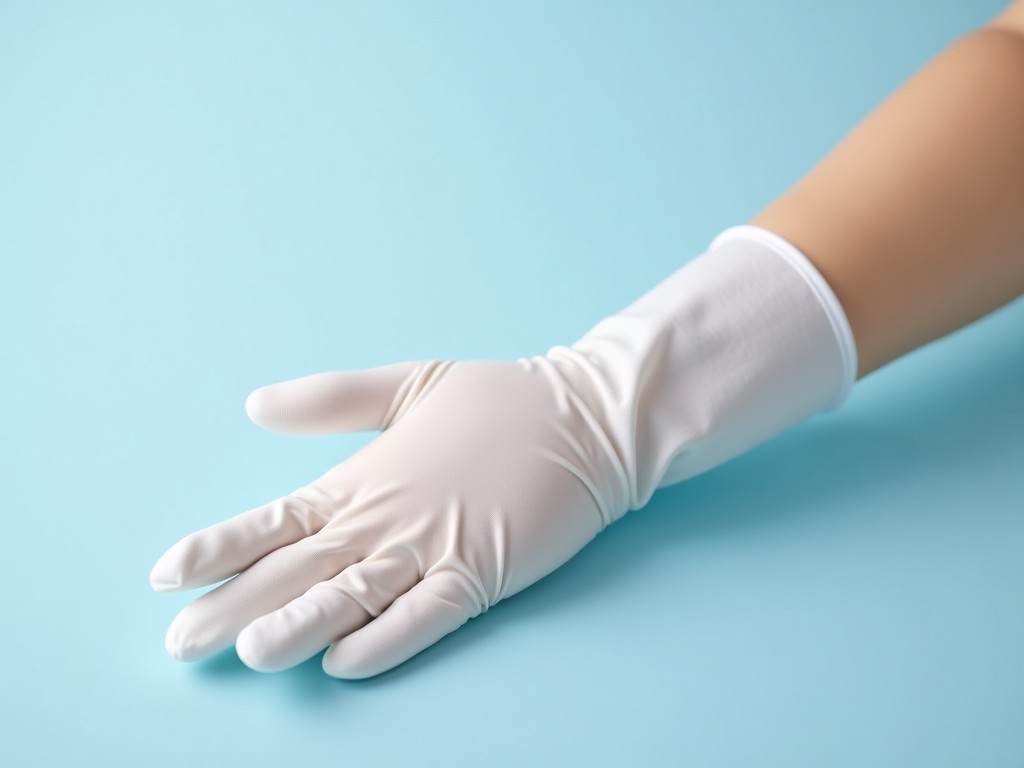
China Cotton Gloves To Wear Under Latex
The use of cotton liners under industrial latex or nitrile gloves is a critical technical strategy for managing skin health and moisture accumulation. When workers wear impermeable gloves for
China Gloves for Latex Protection: Technical Specifications and Applications
The use of cotton liners under industrial latex or nitrile gloves is a critical technical strategy for managing skin health and moisture accumulation. When workers wear impermeable gloves for extended periods, perspiration leads to skin maceration and contact dermatitis. Cotton liners serve as a functional barrier, absorbing sweat away from the skin while providing a physical buffer between the epidermis and the resins in the outer glove material. By maintaining a dry microenvironment, these liners reduce the risk of microbial growth and improve wearer compliance during long shifts.
Material Analysis and Knit Structure
The performance of a cotton liner depends heavily on the fiber composition and the knit pattern. 100% natural cotton is preferred for its high moisture-wicking properties and breathability. However, for applications requiring higher durability and elasticity, a cotton-polyester blend is often utilized to prevent structural deformation after repeated washing. The density of the weave—measured in grams per square meter (GSM)—dictates the thickness and the cushioning effect provided.
Terry-knit structures are characterized by looped yarns that increase the surface area, providing superior absorption rates for high-heat environments. In contrast, jersey-knit offers a flatter profile, which is essential for tasks requiring high tactile dexterity and a slim fit. Selecting the correct knit involves balancing the need for thermal insulation and moisture management against the precision requirements of the assembly task.
Technical Specifications
| Property | Typical Values / Customizable Range |
|---|---|
| Material Composition | 100% Cotton, 80/20 Cotton-Polyester, or Spandex Blends |
| Weight (GSM) | 120 GSM to 240 GSM (depending on density) |
| Base Thickness | 0.3mm to 0.7mm |
| Moisture Absorption | >75% by weight (saturated) |
| Knit Type | Terry, Jersey, or Ribbed |
| Sizing Options | XS to XXL (Custom sizing available) |
Industrial Applications
- Electronics Assembly: Liners prevent the buildup of sweat which can lead to electrostatic discharge (ESD) risks or contaminate sensitive components with moisture-borne salts through glove pores.
- Medical and Laboratory Work: Used as a barrier for individuals sensitive to latex proteins, preventing allergic reactions while maintaining a sterile environment through the outer protective glove.
- Automotive and Aerospace: In environments where heavy-duty gloves are worn, liners reduce friction-induced skin irritation and absorb oils and greases during repetitive mechanical tasks.
- Chemical Processing: Provides a secondary layer of protection against minor chemical splashes that might penetrate thin-gauge nitrile or latex gloves over time.
Manufacturing and Quality Control
Industrial-grade cotton liners undergo high-speed knitting processes to ensure uniform tension across the fabric. Quality control protocols focus on minimizing lint production, which is vital for clean-room environments where fiber shedding could compromise product integrity. Testing includes evaluating the tensile strength of the cuff to ensure it remains in place without losing its elasticity after de-stretching cycles during a standard donning procedure.
Hygiene standards are maintained during the manufacturing phase by utilizing automated packaging lines to prevent cross-contamination. For medical-grade requirements, liners may be subjected to sterilization processes or pre-washed to remove impurities that might contribute to skin irritation upon first use.
Frequently Asked Questions
Can these liners be customized for specific industrial requirements?
Yes, specifications such as GSM weight, fiber blend, and reinforced cuffs can be adjusted based on the specific technical demands of the work environment.
What is the typical production lead time for bulk orders?
Standard orders typically have a lead time of 15 to 30 days, though custom specifications or specialized blends may extend this timeline depending on material availability.
How are export shipments protected from moisture?
Gloves are packed in moisture-resistant polyethylene bags within heavy-duty corrugated cardboard boxes to ensure integrity during maritime or air transit.
For technical data sheets or to request a quote for bulk industrial supply, please contact our engineering sales team.
Request Technical Quotation


