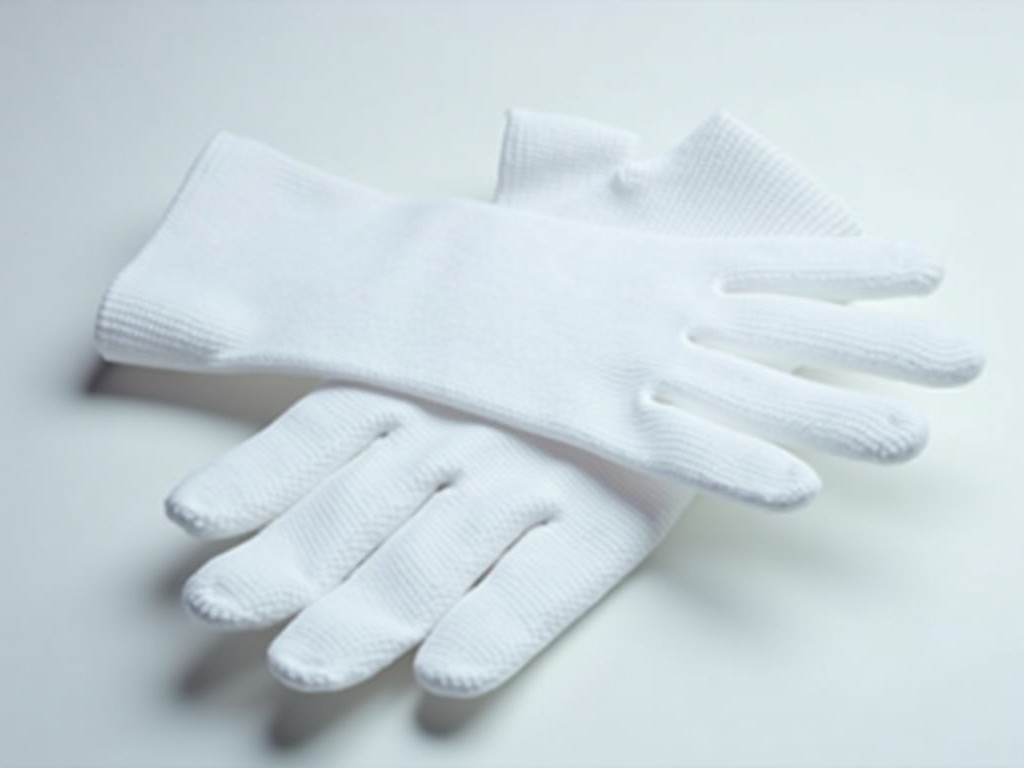
China Cleaning Gloves With Cotton Lining
Industrial cleaning gloves featuring cotton linings provide a critical balance between chemical barrier protection and ergonomic comfort. In high-humidity environments where moisture or sweat buildup
China Cleaning Gloves with Cotton Lining: Industrial Grade Hand Protection
Industrial cleaning gloves featuring cotton linings provide a critical balance between chemical barrier protection and ergonomic comfort. In high-humidity environments where moisture or sweat buildup is common, the absorbent cotton layer acts as a thermal wicking, preventing skin maceration and irritation during extended work shifts. By integrating a high-performance polymer shell—such as nitrile, latex, or PVC—with a soft textile interior, these gloves ensure that workers maintain dexterity without sacrificing the integrity of the barrier.
The selection of the lining material depends on the specific mechanical requirements of the task. For instance, a terry cotton lining is often preferred for heavy-duty tasks requiring maximum moisture absorption and cushioning, whereas a thin jersey cotton lining is better suited for precision-oriented cleaning where tactile feedback and fine motor control are paramount.
Technical Specifications and Material Composition
| Feature | Typical Specifications | Industrial Benefit |
|---|---|---|
| Outer Material | Nitrile, Natural Latex, or PVC | Resistance to specific solvents, oils, or abrasions. |
| Lining Type | Terry Cotton or Jersey Cotton | Moisture management and reduced hand friction. |
| Thickness Range | 0.15mm to 0.5mm (4mil-20mil) | Balance between puncture resistance and manual dexterity. |
| Surface Finish | Embossed or Textured Grip | Enhanced grip in wet or oily industrial environments. |
Industrial Applications and Functional Logic
The deployment of cotton-lined gloves is dictated by the environmental stress factors of the workplace. In automotive maintenance, nitrile-lined gloves protect skin against petroleum-based degreasers while providing the comfort necessary for long de-contamination cycles. The cotton lining prevents the glove from shifting on the hand, which is a common cause of fatigue and repetitive strain injuries.
In the food processing and hospitality sectors, PVC or latex variants are frequently utilized for their resistance to alkaline cleaning agents. The cotton lining serves as a buffer against temperature fluctuations if workers are handling chilled surfaces or warm water, providing a layer of thermal insulation that thin-lined gloves lack.
- Industrial Sanitation: Heavy-duty PVC gloves for floor scrubbing and pressure-washing disinfection.
- Laboratory Safety: Chemical-resistant nitrile gloves for protection against mild spills and reagents.
- Construction & Logistics: Reinforced cotton-lined gloves for handling rough materials and mechanical debris.
- Hospitality Maintenance: Latex-based gloves for general surface cleaning and high-touch points.
Manufacturing Standards and Quality Control
Manufacturing processes for these gloves involve rigorous control to ensure the bond between the polymer outer layer and the cotton lining. Poor adhesion can lead to delamination, where the lining bunches up and compromises the barrier. High-quality production lines utilize mechanical bonding or chemical adhesion agents to ensure the lining remains integrated throughout the glove structure even under mechanical stress.
Quality inspection protocols typically include tensile strength testing to determine the point of failure and water leak testing to ensure zero-hole integrity. Furthermore, the cotton lining is inspected for lint levels to ensure that no fibers migrate into sensitive work areas, particularly in pharmaceutical or pharmaceutical environments.
Customization and Packaging Options
Procurement managers can specify various customizations to meet OEM-specific needs. This includes custom sizing ranging from Small to Extra Large to ensure a proper fit for a diverse workforce, and color-coding of the outer layer to differentiate between different safety protocols or departments within a facility.
Packaging options vary from bulk 100-count bags for high-volume industrial use to individual dispensers or retail-ready boxed sets. For large orders, branding can be applied to the glove cuff or the primary packaging using heat-transfer or pad printing techniques.
Frequently Asked Questions
What is the difference between terry and jersey cotton lining?
Terry lining is loopier and more absorbent, making it ideal for heavy sweat and cushioning. Jersey lining is thinner and smoother, providing better dexterity for tasks requiring high precision.
Can these gloves be customized for specific chemical resistance?
Yes, the chemical resistance depends on the outer material selected (Nitrile, Latex, or PVC). We provide chemical compatibility charts based on standard testing protocols to assist in selection.
What is the typical production lead time for bulk orders?
Lead times generally range from 25 to 45 days depending on order volume, material availability, and specific customization requirements.
Ensure your team has the right level of protection for your industrial environment. Our engineering support team is available to provide technical data sheets and samples.
Request Technical Specifications and Quotation


