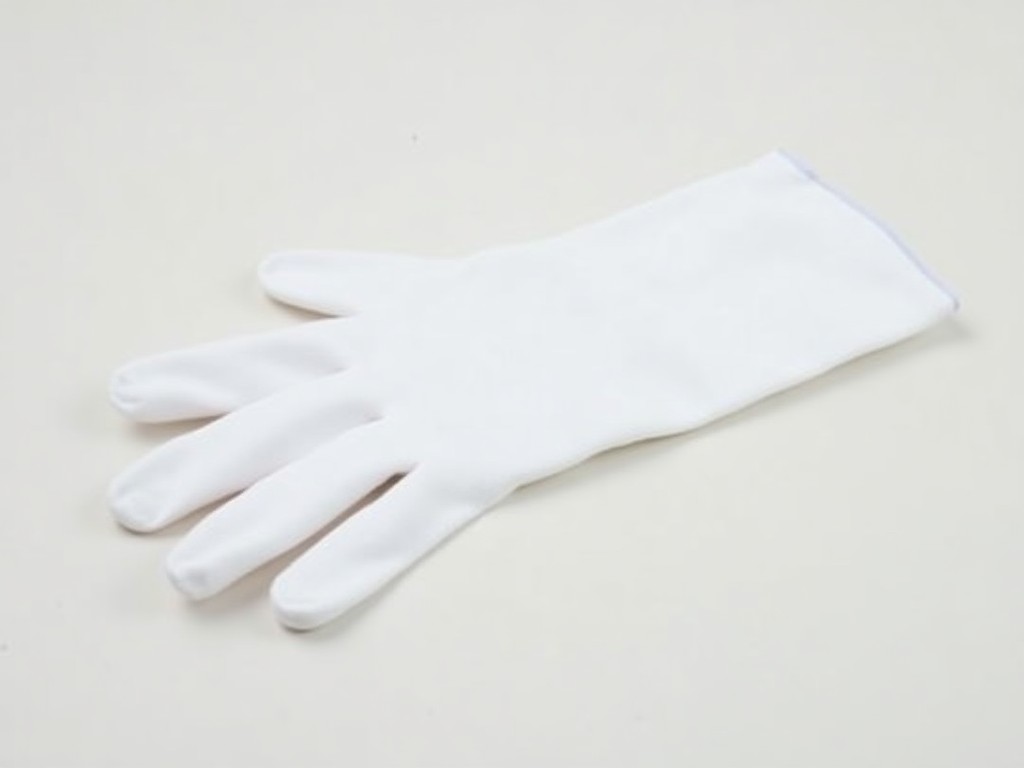
Cheap White Cotton Gloves Source Factory
Procuring industrial-grade protective gear requires a balance between material integrity and unit-cost efficiency. White cotton gloves serve as a fundamental barrier in various assembly environments
Cheap White Cotton Gloves Source Factory
Procuring industrial-grade protective gear requires a balance between material integrity and unit-cost efficiency. White cotton gloves serve as a fundamental barrier in various assembly environments where tactile dexterity, breathability, and lint-free properties are paramount. By sourcing directly from the factory, procurement managers can eliminate intermediary markups while ensuring that the technical specifications of the textile remain consistent across bulk production runs.
The performance of these gloves is dictated by the density of the weave and the grade of the cotton fiber. Higher GSM (grams per square meter) counts offer greater durability and abrasion resistance, whereas lighter weaves provide the necessary flexibility for high-precision manual tasks. Selecting the correct specification depends heavily on the specific mechanical or environmental requirements of the production line.
Technical Specifications
| Feature | Typical Values | Industrial Relevance |
|---|---|---|
| Material Composition | 100% Natural Cotton / Polyester Blend | Affects moisture absorption and comfort. |
| Fabric Weight (GSM) | 130GSM - 200GSM | Higher GSM increases life and tear resistance. |
| Weave Type | Jersey / Interlock Knit | Determines elasticity and hand-fit. |
| Color Treatment | Optical White (Bleached) | Critical for detecting contamination in clean zones. |
| Size Options | S, M, L, XL, Custom | Reduces ergonomic fatigue during long shifts. |
Industrial Applications
In the electronics sector, cotton gloves act as a primary defense against skin oils and fingerprints that can compromise sensitive circuit components. The natural fibers of cotton provide a baseline level of static dissipation compared to purely synthetic alternatives, though specialized ESD-treated versions exist for highly sensitive environments.
Automotive manufacturing utilizes these gloves to prevent surface scratches on polished metal parts and painted components during the assembly phase. The lightweight nature of the knit allows workers to maintain the high tactile sensitivity required for handling small fasteners and intricate wiring harnesses without loss of dexterity.
In packaging and logistics, white cotton gloves serve as a hygienic barrier designed to minimize particulate transfer. Because the white color is highly visible, it allows quality control supervisors to immediately identify dirt or wear, ensuring that the hygiene standards are maintained throughout the workflow.
Manufacturing and Quality Control
The production process involves high-speed circular knitting machines that integrate the yarn into a seamless tube structure. Precision tension control is critical during this stage to ensure the glove has uniform elasticity across the entire surface, preventing premature tearing at the fingertips or palm stress points.
Post-knitting, the gloves undergo a rigorous inspection process to identify needle holes, structural inconsistencies, or dye variations. Factory-level quality assurance includes batch testing to verify the tensile strength and GSM of the fabric, ensuring that every shipment set meets the industrial standards defined in the purchase order.
Customization and OEM Capabilities
Industrial buyers often require customization to align with specific branding or functional needs. This includes logo printing via heat transfer or screen printing, as well as custom de-knitting to produce specific sizes that deviate from standard retail dimensions.
- Custom fiber ratios (e.g., cotton-polyester for increased durability).
- Bulk packaging options including poly-bag, vacuum-sealed, or custom retail boxing.
- Specific color coding for department-specific safety protocols.
- Anti-static coating applications for ESD-sensitive environments.
Frequently Asked Questions
What is the typical production lead time for bulk orders?
Lead times generally range from 15 to 30 days depending on the order volume, material requirements, and current factory capacity-utilization.
Can samples be provided before a large-scale order?
Yes, technical samples are available to verify the material weight, fit, and tactile properties against your specific industrial application needs.
How are export shipments protected from moisture?
Bulk orders are packed in heavy-duty moisture-barrier bags and palletized to prevent fiber degradation or contamination during international transit.
Ready to discuss technical specifications or request a formal quote for your manufacturing requirements?
Request a Technical Quotation


