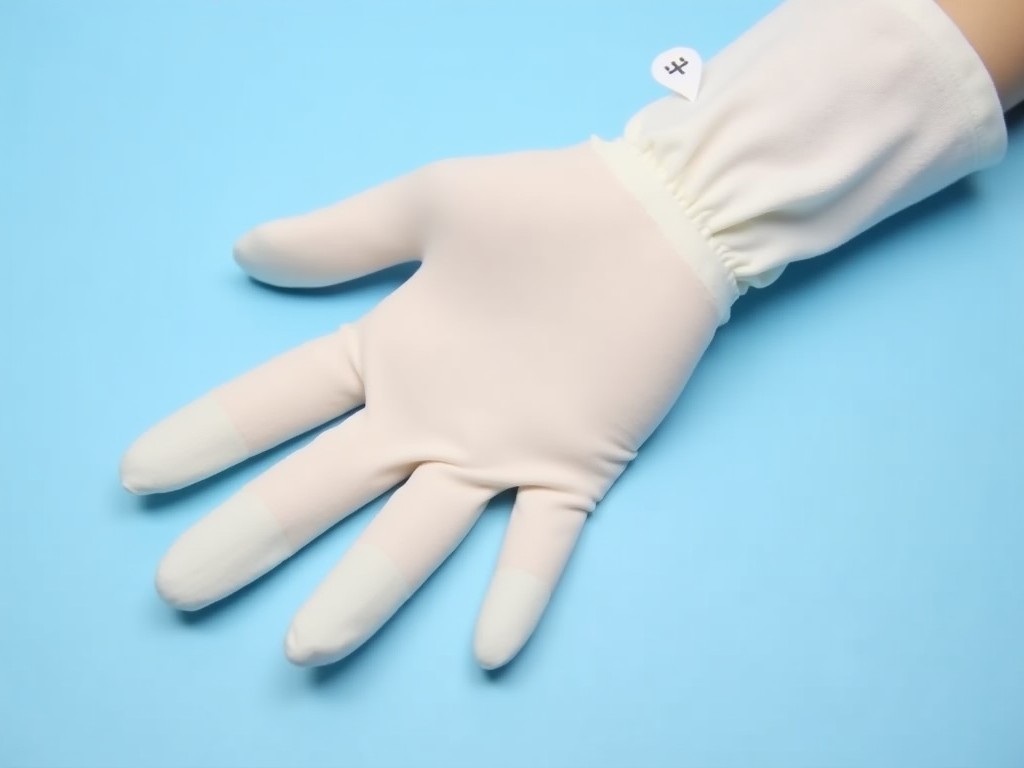
Ce Cotton Gloves To Wear Under Rubber Gloves
Industrial environments often necessitate the use of heavy-duty rubber or nitrile gloves for chemical resistance or mechanical protection. However, cotton liners serve as a critical secondary layer,
CE Cotton Gloves for Under Rubber Gloves: Technical Specifications and Applications
Industrial environments often necessitate the use of heavy-duty rubber or nitrile gloves for chemical resistance or mechanical protection. However, cotton liners serve as a critical secondary layer, managing moisture buildup and preventing skin irritation caused by friction between sweat and the primary protective equipment. When non-permeable gloves are worn for extended periods, the accumulation of perspiration can lead to skin maceration and discomfort, making a high-quality liner essential for operational endurance.
Material Composition and Moisture Management
The selection of fiber material determines the performance of the liner under humidity. High-staple cotton fibers are preferred for their superior absorbent capacity, drawing moisture away from the skin and distributing it across the fabric surface. This process is vital for maintaining hand dryness and reducing the risk of fungal growth or contact dermatitis associated with damp environments inside rubberized gloves.
While pure cotton offers maximum absorption, many industrial liners incorporate synthetic blends like polyester or spandex to enhance elasticity and durability. These blends ensure the glove maintains its structural integrity after multiple laundering cycles, preventing the thinning that typically occurs in cheaper alternatives. The weight of the knit, measured in grams per square meter (GSM), dictates the balance between thermal insulation and breathability.
Ergonomic Benefits and Fit Precision
A precise fit is the primary factor in maintaining manual dexterity while performing technical tasks. A well-engineered liner prevents material bunching at the fingertips or palm, which would otherwise compromise tactile sensitivity and increase hand fatigue during repetitive motions. By utilizing a contoured knit construction, these gloves mimic the natural profile of the hand, ensuring a uniform fit beneath the outer protective layer.
Seam construction also plays a significant role in long-term comfort. Flat-seelled or seamless designs are engineered to minimize pressure points that can occur under the compressive force of tight-fitting rubber gloves. This attention to detail ensures that the worker can operate tools and sensitive components without the distraction of chafing or restricted blood flow.
Technical Specifications
| Parameter | Typical Values / Options |
|---|---|
| Primary Material | 100% Combed Cotton / Cotton-Polyester Blend |
| Fabric Weight (GSM) | 140 - 220 GSM (depending on density) |
| Knit Type | Jersey Knit / Circular Knit |
| Seam Type | Flat Seam / Seamless Options |
| Certification | CE Marked (EN 388) |
| Sizes Available | S, M, L, XL, XXL |
Industrial Applications
- Chemical Handling: Acts as an absorbent barrier to catch residual chemicals that may penetrate or migrate through outer rubber gloves, while protecting the skin from direct caustic contact.
- Cold Storage & Logistics: Provides an essential layer of thermal insulation, mitigating the risk of frostbite for workers operating in freezer environments or handling refrigerated transport vehicles.
- Food Processing: When manufactured with food-grade cotton, these liners provide a hygiene barrier that prevents skin cells from contaminating products while under heavy-duty waterproof gloves.
- Laboratory Work: Prevents skin reactions to latex or nitrile sensitivities and manages moisture during delicate assembly involving long-duration experimental procedures.
Quality Control and Standards
Compliance with CE standards ensures that the liners meet rigorous safety requirements for protective equipment. Quality control protocols involve testing the tensile strength of the knit to ensure the material can withstand the mechanical stress of donning and removing heavy rubber gloves without tearing. Furthermore, lint resistance is evaluated for liners intended for clean environments where fiber shedding could compromise sensitive electronic or chemical processes.
Each batch is inspected for dimensional consistency, accounting for shrinkage rates after industrial laundering. This ensures that procurement managers receive a product that maintains its sizing across the entire workforce, reducing the need for frequent replacements and maintaining consistent worker safety.
Require specific technical specifications or bulk pricing for your industrial operation?
Request a Technical Datas Sheet and Quote


