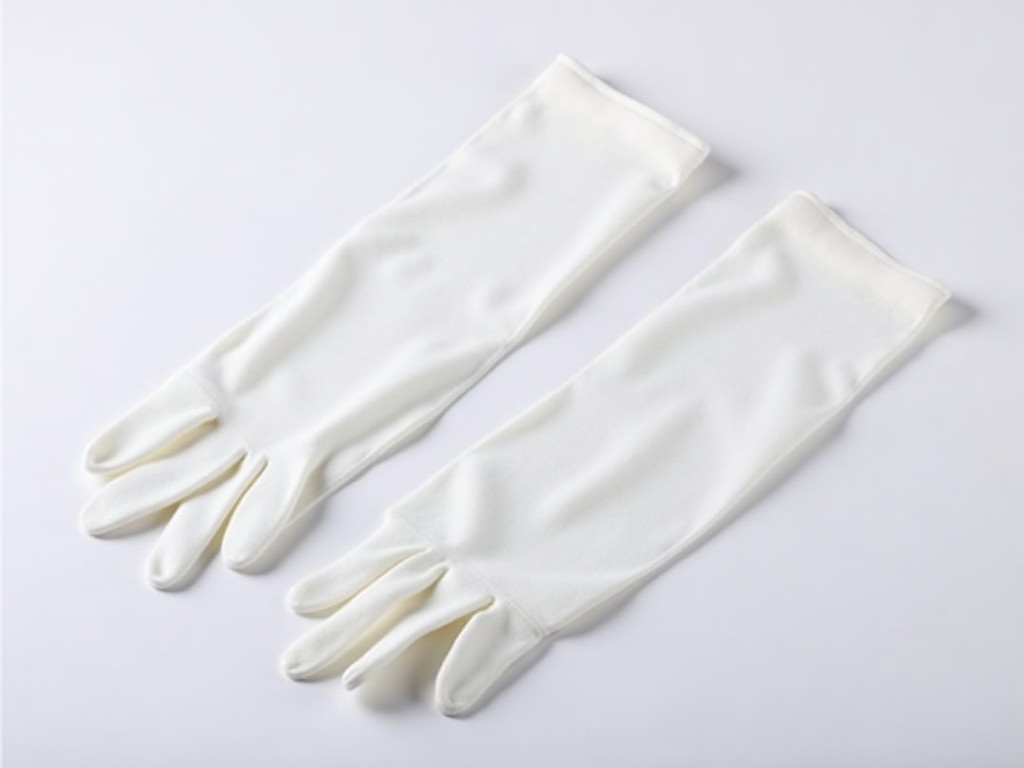
Best Price Protective Cotton Lined Gloves
Industrial-grade gloves featuring cotton linings provide a critical balance between thermal insulation and moisture management in high-intensity manual environments. Unlike purely synthetic
Best Price protective cotton lined gloves
Industrial-grade gloves featuring cotton linings provide a critical balance between thermal insulation and moisture management in high-intensity manual environments. Unlike purely synthetic alternatives, cotton fibers act as hygroscopic agents, absorbing sweat away from the skin to prevent maceration and maintain grip stability during prolonged use. This specific material composition is engineered for tasks where hand dexterity must be maintained without sacrificing the protective barrier against thermal fluctuations or minor abrasions.
The selection of a cotton-lined glove depends on the evaluation of the knit density and the weight of the outer shell. By utilizing a high-gauge knit interior, manufacturers create a dual-layer system that reduces friction between the hand and the glove surface, significantly lowering the risk of fatigue during repetitive assembly or logistics shifts.
Technical Specifications
| Feature | Technical Value | Industrial Benefit |
|---|---|---|
| Lining Material | 100% Combed Cotton / Blend | Superior moisture absorption and thermal comfort. |
| Fabric Weight (GSM) | 240 - 320 GSM (Variable) | Adjustable thickness for abrasion resistance. |
| Knit Gauge | 13 Gauge to 15 Gauge | Higher gauge offers better fine motor control. |
| Cuff Type | Elasticated Ribbed Cuff | Prevents debris entry and ensures fit. |
| Coating Options | Nitrile, PU, or Latex | Customizable grip and chemical resistance. |
Industrial Applications
The deployment of cotton-lined protective gloves is dictated by the specific environmental demands of the workplace. In cold-chain logistics, the cotton lining serves as a thermal break, preventing heat loss from the extremities while working in sub-zero environments.
- Automotive Assembly: The lining reduces vibration transfer from power tools while providing the necessary tactile feedback for handling small fasteners.
- Warehousing & Logistics: High breathability prevents internal heat buildup during long-shift operations, maintaining worker safety through dry hands.
- Glass Manufacturing: When paired with a protective coating, the cotton lining provides a cushioned buffer against thermal shock and sharp edge contact.
Comparison: Cotton vs. Synthetic Lining
Procurement officers often weigh the benefits of natural cotton against synthetic fibers like polyester. While polyester offers higher tensile strength and faster drying times, it lacks the thermal regulation and skin comfort of natural fibers.
Cotton Lining
Best for environments where skin sensitivity is high and thermal insulation is primary. concern. Offers natural softness and superior absorption.
Synthetic Lining
Best for high-moisture environments where rapid drying is required. More resistant to chemical degradation and abrasion.
Manufacturing and Quality Control
Manufacturing processes focus on the structural integrity of the seams and the consistency of the knit tension. We utilize tension testing to ensure that the cotton lining does not bunch or shift under stress, which would otherwise lead to blisters or reduced dexterity.
Quality control protocols include visual inspections for fiber shedding and mechanical tests for the coating-to-lining bond. This ensures that each batch meets the durability standards required for heavy industrial use, reducing the replacement rate for the end user.
Requires a technical data sheet or bulk pricing for your specific project?
Request Technical Specifications & Quotation


