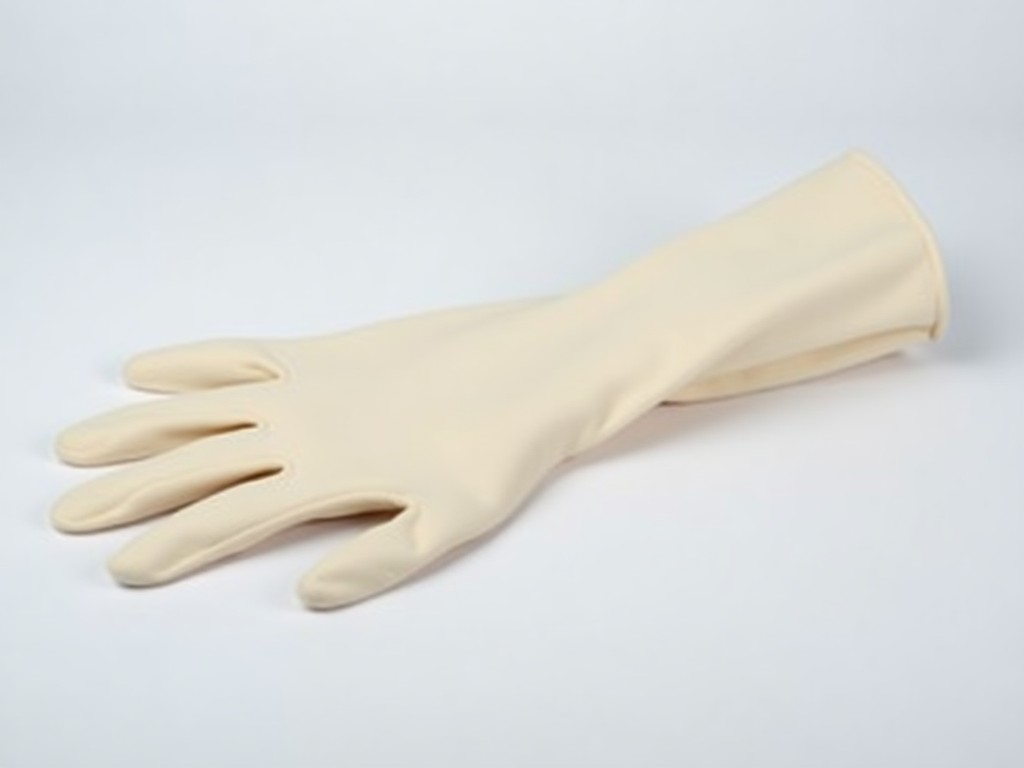
B2B Skin Colored Cotton Gloves Factory
The production of skin-colored cotton gloves requires a precise balance between fiber tensile strength, knit density, and dye stability. Unlike standard white-grade gloves, natural or skin-toned
Industrial B2B Skin Colored Cotton Gloves Factory
The production of skin-colored cotton gloves requires a precise balance between fiber tensile strength, knit density, and dye stability. Unlike standard white-grade gloves, natural or skin-toned cotton variants are engineered for industrial environments where visual contrast between dust and components must be minimized during high-precision assembly. Our facility focuses on utilizing high-grade combed cotton fibers to ensure that the protective barrier remains breathable while providing the necessary tactile sensitivity for delicate mechanical handling.
Technical Specifications
| Parameter | Typical Values / Custom Options |
|---|---|
| Material Composition | 100% Cotton or 95% Cotton / 5% Polyester Blend |
| Fabric Weight (GSM) | 140 GSM to 240 GSM (depending on knit gauge) |
| Knit Gauge (G) | 7G, 8G, 10G, or 13G |
| Dyeing Resistance | Level 4-5 (Color Fastness) |
| Size Range | S, M, L, XL (Custom sizing available) |
Manufacturing and Production Process
Manufacturing begins with the circular knitting process using calibrated calibrated to maintain uniform yarn tension. This consistency is critical for preventing structural weak points in the glove fabric that could lead to tearing under mechanical stress. Once the knitted tubes are formed, they undergo a controlled enzyme-wash dyeing process to achieve the specific skin-toned hue without compromising the structural integrity of the cotton fibers.
The finishing stage involves heat-setting to stabilize the dimensions of the gloves, preventing shrinkage during industrial laundering. This ensures that the gloves maintain their fit even after being exposed to varying humidity or repeated use. Each batch is inspected for needle holes or uneven weave patterns, ensuring every unit meets the technical requirements for industrial-grade hand protection.
Industrial Applications
Skin-colored cotton gloves are selected for specific sectors where optical properties and material purity are paramount. In electronics assembly, the skin-tone fabric allows technicians to better identify metallic particles or residue that might be obscured by high-visibility white material.
- Automotive Assembly: Prevents micro-scratches on polished surfaces while maintaining high manual dexterity for small component installation.
- Glass and Optics Handling: Provides a barrier against fingerprints and oils while the natural cotton fibers allow for precise grip control.
- Logistics and Warehousing: Used for general handling where a low-profile or specific aesthetic profile is required for brand uniformity.
Customization and OEM Capabilities
Procurement managers can request technical modifications to meet specific operational needs. This includes the reinforcement of the palm area with polyurethane or nitrile coatings for environments requiring higher abrasion resistance without sacrificing the breathability of the cotton back. We also offer branding options through industrial embroidery or screen printing, provided the ink specifications comply with the material's flexibility.
Quality Control and Inspection Standards
Quality assurance is managed through rigorous testing protocols that evaluate physical performance metrics. We test for tensile strength to ensure the fabric can withstand the pulling forces common in assembly line work. Additionally, dimensional stability is verified to guarantee that the gloves will not deform or shrink significantly after exposure to industrial environments.
Frequently Asked Questions
What is the typical lead time for bulk OEM orders?
Production for bulk orders typically ranges from 15 to 30 days depending on the volume and specific customization requirements.
Can samples be provided for quality technical evaluation?
Yes, we provide technical samples to allow your engineering team to verify material density and fit before production begins.
How are the shipments protected for international export?
Shipments are packed in moisture-resistant polyethylene bags within reinforced corrugated cardboard boxes to prevent contamination or physical damage during transit.
Interested in technical data sheets or a bulk quotation?
Request Industrial Quotation


