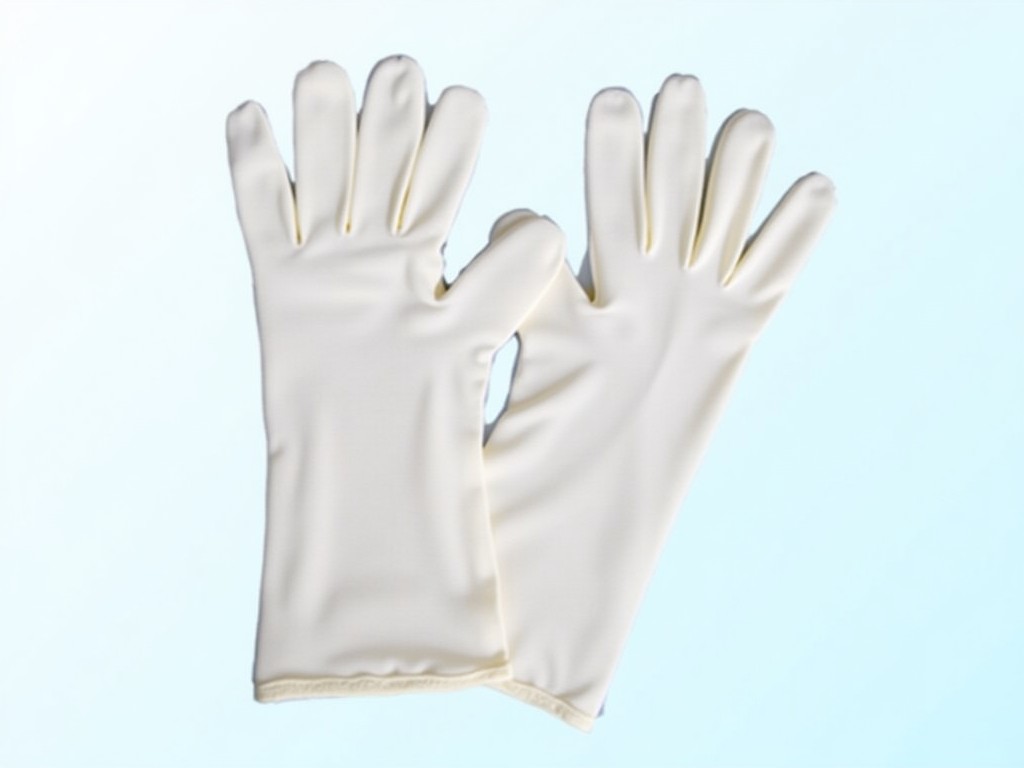
Upf50 Sun Protection Outdoor Gloves Suppliers
Ultraviolet Protection Factor (UPF) is a critical metric for industrial safety gear, particularly for personnel operating in high-solar radiation environments. A UPF50 rating indicates that the
UPF50 Sun Protection Outdoor Gloves Suppliers & Technical Specifications
Ultraviolet Protection Factor (UPF) is a critical metric for industrial safety gear, particularly for personnel operating in high-solar radiation environments. A UPF50 rating indicates that the fabric allows only 1/50th of the ultraviolet radiation to reach the skin, effectively blocking 98% of UVA and UVB rays. For procurement professionals, selecting a supplier requires understanding the textile engineering behind this rating to ensure that workers mitigate long-term dermatological risks and maintain occupational health standards during extended outdoor shifts.
Achieving consistent UPF50 performance depends on the balance between fabric weave density and the chemical properties of the fibers. Unlike topical sunscreens that degrade over time, industrial-grade sun protection relies on the structural integrity of the textile barrier. High-density knits and engineered weaves ensure that the gaps between fibers are minimized, even when the material is stretched under mechanical stress or manual movement.
Engineering Principles of UPF50 Protection
The efficacy of sun protection in gloves is governed by the porosity of the material. In industrial manufacturing, we utilize high-gauge knitting machines to create a tight structure that limits photon penetration through the fabric matrix. This physical barrier is often more reliable than chemical UV treatments, which can wash out over multiple laundering cycles or degrade due to abrasion in heavy-duty work environments.
Material selection also plays a decisive role in UV attenuation. Synthetic fibers like polyester and nylon possess inherently higher UV-absorbing properties compared to natural fibers like cotton. When these fibers are blended with elastane for ergonomic flexibility, the resulting textile maintains its UPF rating even when the hand is in motion, ensuring no gaps in protection occurs at the knuckles or joints during manual tasks.
Material Selection for Industrial Durability
| Material Type | UV Efficiency (UPF) | Abrasion Resistance | Primary Use Case |
|---|---|---|---|
| Polyester Blend | High (50+) | Medium-High | General Outdoor, Logistics |
| Nylon Blend | Medium (40-50) | High | Construction, Maritime |
| Spandex-Infused | Variable (Density dependent) | Medium | Ergonomic/Precision Tasks |
| Treated Cotton | Low (Requires treatment) | Low | Light-duty Summer Work |
Industrial Applications and Performance Requirements
Industrial environments demand gloves that go beyond simple sun protection. For instance, in the agricultural sector, workers spend hours in direct sunlight; here, gloves must provide high moisture-wicking capabilities to prevent heat stress while maintaining the UPF50 barrier. If the fabric is not breathable, sweat buildup can lead to skin irritation, reducing worker compliance with safety protocols.
In construction and maritime operations, the requirement shifts toward combining UV protection with mechanical durability. Suppliers must integrate UPF50 rated fabrics with reinforced palms—using polyurethane or nitrile coatings. The engineering challenge lies in ensuring that the coating does not compromise the UV properties of the base fabric and that the glove remains flexible enough for handling tools or navigating abrasive surfaces.
Logistics and outdoor transport personnel often face high UV reflection from surfaces like water or metallic containers. In these scenarios, gloves with high thermal regulation and UV-blocking are preferred to maintain the core temperature of the hands stable while preventing cumulative radiation damage during long loading and unloading cycles.
Quality Control and Testing Standards
To verify UPF claims, manufacturers must adhere to standardized testing protocols. The most recognized standard is ASTM D6603, which measures the ultraviolet transmittance of fabrics. This test involves exposing the fabric to a known UV light source and calculating the ratio of incident energy to the energy transmitted through the material.
Quality assurance protocols also include durability testing of the UPF rating after multiple wash cycles. Since industrial gloves are subjected to frequent cleaning, the structural stability of the UV-blocking fibers must be verified regularly. Reliable suppliers provide technical data sheets confirming that the UPF50 rating remains consistent throughout the product's expected lifecycle under standard use.
Customization Options for OEM and Large-Scale Orders
- Reinforced Zones: Integration of silicone, PU, or nitrile grips on high-abrasion areas.
- Branding: Heat-transfer or screen printed logos that do not degrade the UV barrier.
- Sizing Arrays: Production runs from XS to XXXXL, with custom sizing for specific ergonomic requirements.
- Color Palette: Selection of high-visibility safety colors or neutral industrial-grade dyes.
- Packaging: Bulk industrial wrapping or individual retail-ready polybags for inventory management efficiency.
Secure Your Workforce with Technical Protection
We provide technical specifications and bulk manufacturing capabilities for UPF50 outdoor gloves tailored to specific industrial requirements. Contact our engineering team to request technical data or a custom quote for your next project.
Inquire Technical Specifications


