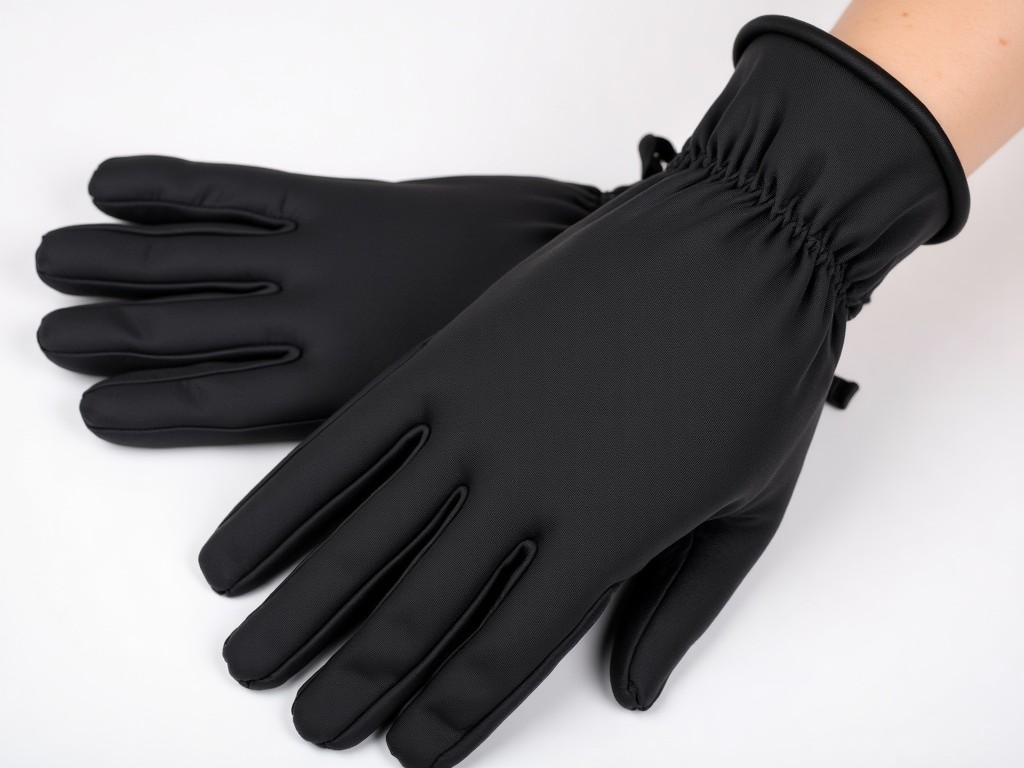
Wholesale Warm Winter Horse Riding Gloves
Engineering for winter equestrian environments requires a precise balance between thermal insulation and the sensory feedback necessary for effective horse communication. In sub-zero conditions, the
Wholesale warm winter horse riding gloves
Engineering for winter equestrian environments requires a precise balance between thermal insulation and the sensory feedback necessary for effective horse communication. In sub-zero conditions, the challenge is maintaining core hand temperature without sacrificing the tactile dexterity required to manage leather reins. Wholesale-grade winter riding gloves must utilize layered material systems that manage moisture while blocking wind ingress, ensuring riders remain functional during intense physical activity.The selection of primary materials dictates the glove's performance under adverse weather. High-performance models typically utilize goatskin leather for the palm due to its high tensile-to-weight ratio and natural grip properties, which improve even when damp. For bulk-market distribution, reinforced cowhide offers a cost-effective alternative with higher abrasion resistance, while internal thermal linings such as brushed fleece or thermal membranes provide the necessary air pockets for insulation.
Material Selection for Thermal Insulation
Thermal regulation in equestrian gear is achieved through multi-layered construction. The outer shell serves as the primary barrier against wind and moisture, while the mid-layer focuses on thermal resistance. Industrial-grade gloves often incorporate moisture-wicking synthetic fibers to prevent sweat buildup, which is the leading cause of rapid cooling once the rider stops moving.
- Goatskin Leather: Provides superior tactile sensitivity and natural friction coefficients for precise rein control.
- Brushed Fleece Lining: Offers high-loft insulation to trap heat without adding significant bulk.
- Waterproof Membranes: Utilized in premium wholesale tiers to prevent external moisture while allowing internal vapor to escape.
- Reinforced Knuckles: Double-stitched high-stress areas prevent tearing from equipment contact.
Ergonomic Design and Performance Metrics
Ergonomics are critical for preventing hand fatigue during long riding sessions. Anatomically pre-shaped fingers follow the natural curve of the hand, reducing the tension on the material. Seam-free palm constructions are particularly sought after because they eliminate pressure points that can lead to blisters or reduced circulation during prolonged use.
Grip consistency is another vital technical consideration for procurement officers. As temperatures drop, standard materials can become slick. To mitigate this, winter-specific riding gloves often utilize silicone-printed grips or treated suede-grain leathers that maintain a high coefficient of friction across a wide temperature range, ensuring rider safety.
| Technical Specification | Standard Value | Customizable Options |
|---|---|---|
| Primary Material Thickness | 0.8mm - 1.2mm (Leather variants) | Goatskin, Cowhide, Synthetic Leather |
| Lining Material | Brushed Fleece / Sherpa | Thermal Windstopper, Wool-blend |
| Water Resistance | DWR Coated Surface | Full Waterproof Membrane |
| Reinforcement Type | Palm & Finger Tip only | Full-hand abrasion guard |
Customization and Bulk Manufacturing
For distributors and OEM partners, manufacturing flexibility is essential to meet regional market requirements. Our production lines support various customization methods, including precision embroidery, screen printing, and heat-transfer logos. This allows for brand integration without compromising the structural integrity of the winter glove.
Quality control in wholesale production involves rigorous batch testing of seams. We utilize tensile strength tests to ensure that the stitching can withstand the mechanical stress of equestrian riding. This technical oversight reduces the risk of product returns and ensures a consistent standard for large-scale retail buyers.
Frequently Asked Questions
What is the minimum order quantity (MOQ) for custom branding?
MOQs vary based on the material selection and customization complexity, typically starting at 500 units per color-way.
Can we request specific sizing for international distribution?
Yes, we provide standard sizing charts (S to XL) and can accommodate bespoke sizing for OEM projects with specific technical requirements.
What is the production lead time for wholesale orders?
Standard production typically ranges from 30 to 60 days depending on order volume and material de-availability.
Are you looking to source winter equestrian gear for your inventory? Contact our technical sales team for detailed data sheets and bulk pricing tiers.
Request a Technical Quote


