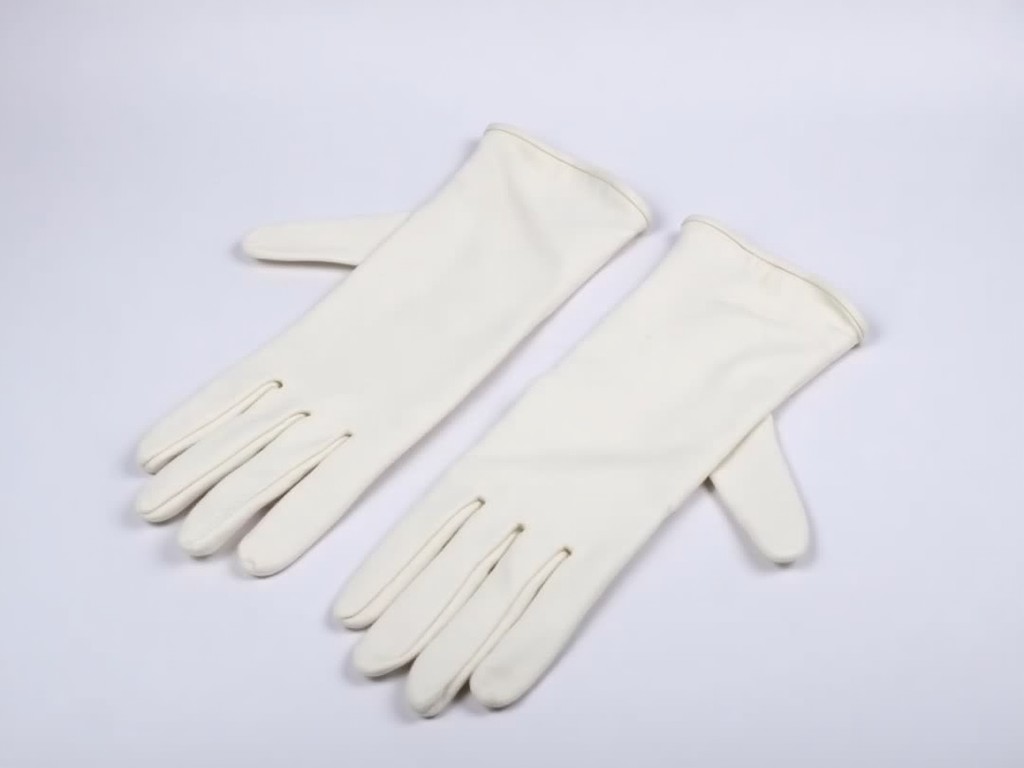
White Horse Riding Gloves Source Factory
Sourcing high-performance white horse riding gloves requires a deep understanding of material science and ergonomic design. In professional equestrian environments, the technical focus centers on the
Industrial White Horse Riding Gloves Manufacturing & Sourcing Guide
Sourcing high-performance white horse riding gloves requires a deep understanding of material science and ergonomic design. In professional equestrian environments, the technical focus centers on the glove's ability to withstand high-friction contact with leather reins while maintaining the tactile feedback necessary for precision control. Factory-level production prioritizes structural integrity and moisture management to ensure the equipment remains functional under rigorous training or competition conditions.
Technical Material Selection for Equestrian Performance
The choice of primary material dictates the longevity and grip coefficient of the riding glove. Professional-grade gloves often utilize goatskin leather due to its tight grain and high tensile strength-to-weight ratio. This allows for a thinner profile that enhances the rider's "feel" without sacrificing the durability needed to resist abrasion from saddle movements.
Alternatively, sheepskin leather is utilized for applications requiring maximum softness and immediate flexibility, though it offers lower abrasion resistance compared to goatskin. For high-volume OEM orders, advanced synthetic microfibers provide consistent performance metrics and superior water resistance, though they may lack the natural breathability and patina development found in genuine hides.
- Goatskin: Best for high-friction grip and precision handling.
- Suede Reinforcements: Applied to palm areas to increase friction against leather reins.
- Technical Synthetics: Optimized for cost-efficiency and rapid drying properties.
- Spandex Stretch: Integrated in the back panel to maintain anatomical fit.
Engineering Design and Structural Reinforcement
Ergonomic construction is achieved through strategic stress distribution across the glove architecture. Manufacturing processes involve reinforced stitching at the fingers and the thumbset to prevent tearing during repetitive gripping motions. By utilizing pre-curved patterns, the factory reduces internal tension, which significantly minimizes hand fatigue during long-duration riding sessions.
The closure mechanism is another critical technical variable for safety and comfort. Elasticated cuffs or hook-loop closures are engineered to ensure the glove remains seated on the hand regardless of sweat-induced expansion. This prevents the material from bunching, which could lead to a loss of control over the reins.
| Specification | Typical Technical Values |
|---|---|
| Material Thickness | 0.6mm - 0.8mm (depending on hide) |
| Grip Type | High-density suede or textured leather palm |
| Stitch Type | Double-needle lockstitch for reinforcement |
| Closure System | Elasticated or adjustable Velcro-strap |
| Standard Compliance | ISO quality standards, custom OEM sizing |
Manufacturing Process and Quality Assurance
Quality control in a source factory begins with the inspection of raw leather hides. Each hide is tested for moisture content and elasticity to ensure uniform performance across the production batch. Once verified, laser-cutting technology is often employed to ensure high precision, which is vital for maintaining the anatomical symmetry of the gloves.
Assembly involves high-tension sewing that ensures the seams do not fail under stress. Post-production, a final inspection checks for dye consistency, seam alignment, and closure integrity. This systematic approach ensures every unit meets the technical specifications required by professional equestrian distributors.
Customization Capabilities for OEM/ODM
Industrial buyers can specify various customization parameters to align with branding or functional requirements. This includes logo application through embossing, screen printing, or embroidery. Furthermore, the color palette can be adjusted beyond traditional white and tan to match specific team colors or corporate identities.
Specific sizing arrays can also be developed to accommodate different demographics, from junior riders to professional adult athletes. This flexibility allows distributors to offer specialized product lines that meet niche market needs within the equestrian industry.
Frequently Asked Questions
What is the typical minimum order quantity (MOQ) for custom branded gloves?
The MOQ typically ranges from 300 to 500 pairs depending on the complexity of the customization and the material selected. Specific terms are provided upon technical review.
Can samples be provided for material testing before bulk production?
Yes, technical samples are available to allow procurement managers to evaluate material hand, grip, and fit before committing to a full production run.
What is the lead time for industrial orders?
Standard production lead times generally fall between 30 to 60 days, influenced by order volume and material availability requirements.
For technical specifications or to request a quote for white horse riding gloves, contact our engineering team today.
Inquire Technical Specifications


