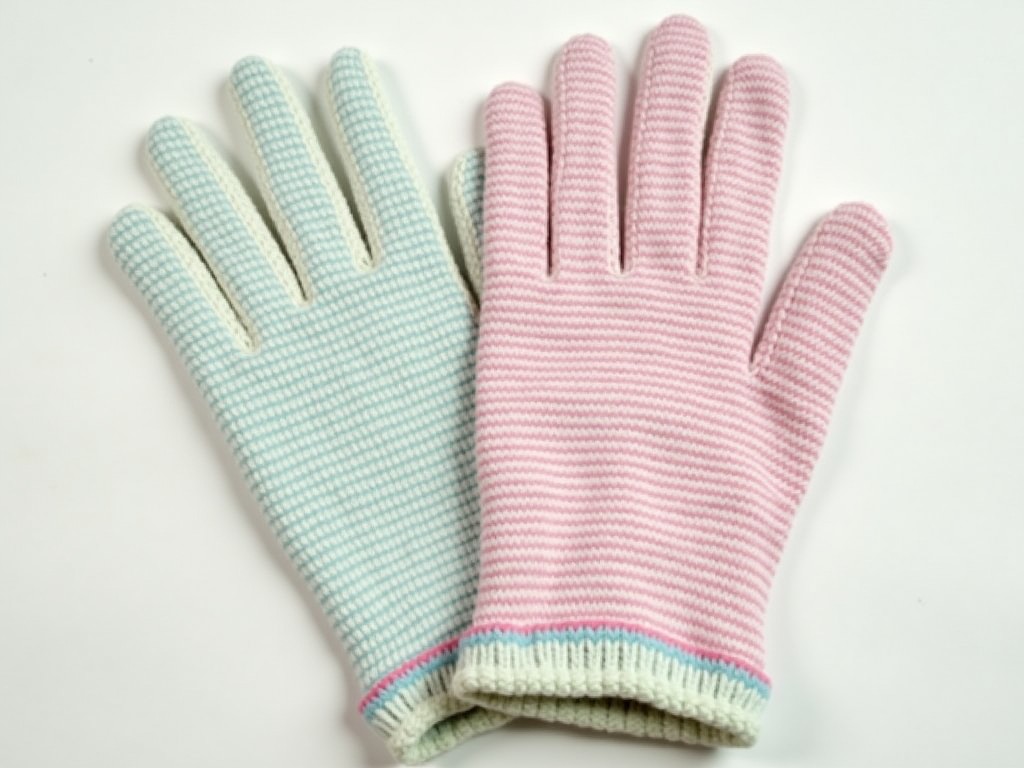
Summer Horse Riding Gloves Source Factory
Equestrian activities in summer environments demand a precise balance between thermoregulation and consistent mechanical grip. Standard leather gloves often fail due to heat buildup, leading to a
Summer Horse Riding Gloves Source Factory
Equestrian activities in summer environments demand a precise balance between thermoregulation and consistent mechanical grip. Standard leather gloves often fail due to heat buildup, leading to a loss of tactile control over the reins and increased hand fatigue. Manufacturing focuses on engineered materials that facilitate airflow while maintaining the necessary structural integrity required for professional-grade equipment.
Technical Requirements for High-Temperature Equestrian Performance
The primary challenge in summer riding is moisture-induced slippage. When the hand perspires with sweat, the coefficient of friction between the glove and the rein decreases, compromising rider safety and precision. To counteract this, industrial gloves utilize ventilation zones and moisture-wicking fibers that transport perspiration away from the palm.
Tactile feedback is equally critical. A rider must feel the subtle movements of the horse's mouth through the glove material. Our design philosophy emphasizes ergonomic seam placement to eliminate pressure points that typically cause chafing during long riding sessions in humid conditions.
Material Selection for Thermoregulation and Grip
Material selection determines the longevity and performance profile of the glove. We categorize materials based on their thermal properties and mechanical resistance. Perforated goatskin remains a favorite for its natural flexibility and thin profile, while synthetic composites offer more consistent resistance to water and easier maintenance.
- High-Density Mesh: Placed on the back of the hand to maximize evaporative cooling.
- Silicone Grip Printing: Applied to the palm to maintain a high friction coefficient even when the surface is wet.
- Perforated Synthetic Leather: Provides air-channels without sacrificing the durability found in traditional hides.
- Spandex Blends: Integrated into the wrist closure to ensure a snug fit that prevents internal glove shifting.
Performance Comparison Analysis
| Feature Metric | Perforated Goat Leather | Synthetic Composite | Mesh-Hybrid |
|---|---|---|---|
| Breathability | Medium (Natural Pores) | Low (Water Resistant) | High (Maximum Airflow) |
| Grip Consistency | Excellent | Variable (Pattern Dependent) | High (Silicone Reinforced) |
| Abrasion Resistance | High | Very High | Medium |
| Moisture Management | Moderate | Poor | Excellent |
Manufacturing Standards and Ergonomic Design
Production begins with precision laser-cutting to ensure every component matches the technical specifications exactly. This minimizes fraying common in manual cutting of synthetic materials. Once cut, we utilize high-tenacity nylon thread for reinforcement in stress areas, such as the thumb gusset and palm-finger junctions.
Ergonomic design is based on a "neutral-position" anatomical model. By shifting seams away from the tips of the fingers, we reduce the risk of skin irritation during repetitive movements. This is particularly vital for riders who spend multiple hours in the saddle during competitive events.
OEM Customization and Production Capabilities
As a source factory, we provide comprehensive customization for apparel brands and equestrian equipment distributors. This extends beyond simple aesthetic changes to include material sourcing based on specific regional market needs.
- Branding: Heat-transfer, embroidery, or screen-printing for logo placement.
- Color-ways: Pantone-specific dyeing for leather and mesh components.
- Sizing: Standard S-XXXL scaling or bespoke anatomical measurements for professional teams.
- Packaging: Bulk-ready poly-bags or retail-ready custom blister packs.
Frequently Asked Questions
What is the typical production lead time for bulk orders?
Standard production cycles generally range from 30 to 45 days depending on order volume and material material requirements (e.g., specialized leather tanning).
How is quality inspected during the manufacturing process?
Each batch undergoes a visual inspection for seam integrity, followed by pull-tests on reinforced areas to ensure they meet safety standards for equestrian gear.
Can samples be arranged before mass production?
Yes, prototype samples are available to verify material hand-feel and fit before the production run begins.
Are you looking for a reliable manufacturing partner for summer horse riding gloves? We provide technical data sheets and wholesale pricing upon request of specifications.
Request a Technical Quotation


