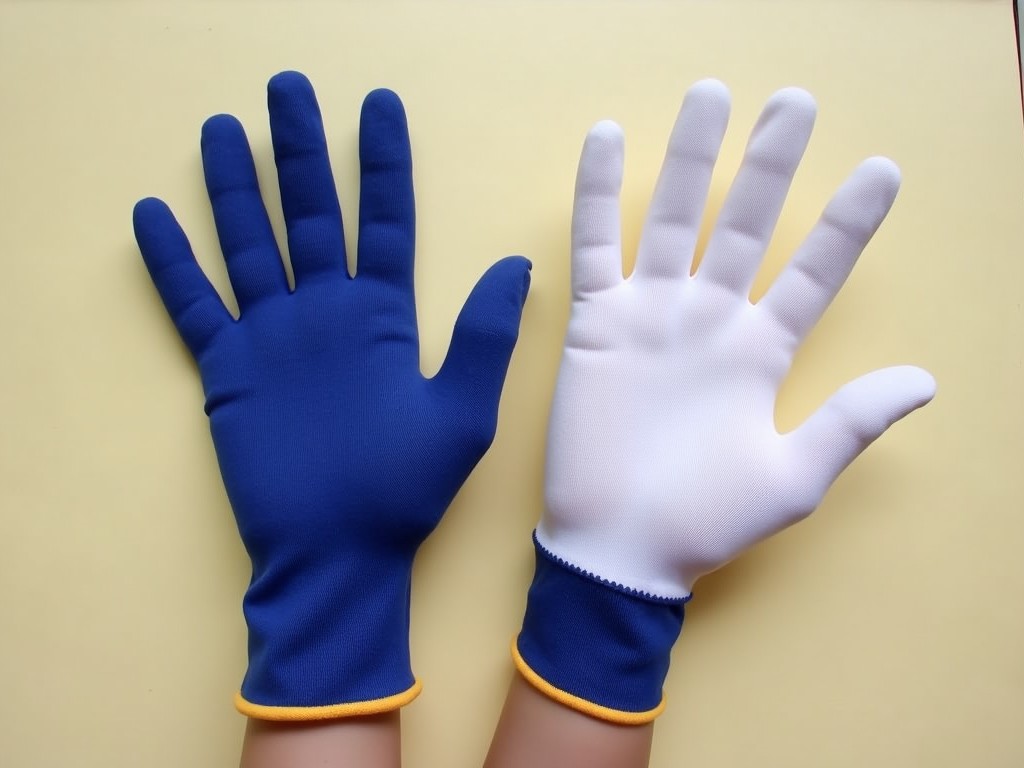
Summer Equestrian Horse Riding Gloves Suppliers
Sourcing high-performance equestrian gloves for summer conditions requires a technical understanding of thermal regulation and friction management. In high-temperature environments, the primary
Summer Equestrian Horse Riding Gloves Suppliers: Technical Specifications and Procurement
Sourcing high-performance equestrian gloves for summer conditions requires a technical understanding of thermal regulation and friction management. In high-temperature environments, the primary mechanical challenge is the accumulation of moisture, which can compromise the interface between the rider and the reins. Professional procurement officers must prioritize materials that facilitate airflow while maintaining moisture-wicking properties without sacrificing the manual dexterity required for precision cues.
Standard leather gloves often fail in summer heat due to low porosity and lack of breathability. Summer-specific iterations utilize thinner-gauge leathers or advanced synthetic fibers engineered with micro-perforations. These materials are selected to maintain evaporative cooling across the palm, reducing the risk of skin irritation and grip loss during extended riding sessions.
Material Selection for High Performance
The choice of primary material dictates the glove's longevity and tactile response. Goat leather is frequently specified for its thin profile, typically ranging from 0.5mm to 0.8mm, which provides superior sensory feedback. For industrial buyers requiring higher durability, synthetic microfiber offers uniform resistance to abrasion and faster drying times when exposed to sweat or rain compared to natural hides.
Integration of technical mesh panels is a common engineering solution for summer-grade equipment. These panels are strategically placed in high-heat zones, such as the back of the hand, to maximize ventilation. The structural integrity of the glove is maintained through reinforced stitching to prevent tearing under the mechanical stress of holding reins.
Material Performance Comparison
| Material Type | Breathability Rating | Abrasion Resistance | Tactile Sensitivity |
|---|---|---|---|
| Goat Leather (Thin) | Medium (Natural Porosity) | Medium | Excellent |
| Synthetic Microfiber | Medium (Engineered) | High | Good |
| Mesh-Hybrid | High | Low-Medium | Moderate |
Grip Engineering and Ergonomic Design
Grip stability is the most critical variable in summer riding. Traditional leather can become slick when saturated. To counter this, suppliers utilize silicone-printed patterns or textured synthetic overlays on the palm. These additions increase the friction coefficient even in humid conditions, ensuring that the rider maintains control without needing to exert excessive grip force.
Ergonomic design focuses on reducing hand fatigue over long-duration of use. Flat-lock seam construction minimizes internal friction, which is vital for preventing blisters during repetitive riding movements. Pre-curved finger designs align with the natural anatomy of the hand, reducing material bunching that can lead to premature wear and discomfort.
- Reinforced thumb zones for high-stress contact points.
- Elasticated closures for adjustable fit across varying hand volumes.
- Moisture-wicking linings to manage internal perspiration.
- Lightweight outer shells to reduce heat dissipation.
Manufacturing and Customization Options
Industrial-scale procurement often requires OEM customization to meet branding or specific team requirements. This includes logo-application via heat-transfer, embroidery, or screen printing. Suppliers typically provide standardized sizing charts to ensure consistency across large orders, reducing the return rate.
Quality control protocols in glove manufacturing include stress-testing of seams and consistency checks on dyed materials. For bulk orders, distributors can request technical data sheets detailing the material tensile strength and colorfastness ratings to ensure the batch meets the performance standards of the professional equestrian market.
Procurement FAQ
What is the typical lead time for custom OEM orders?
Lead times generally range from 4 to 12 weeks depending on order volume, material availability, and complexity of customization.
Can specific dimensions be customized for professional riders?
Yes, custom sizing can be developed based on technical measurements, though minimum order quantities usually apply to bespoke patterns.
How are samples handled before mass production?
Prototype samples are typically provided upon request to verify material feel, fit, and grip performance before full production commences.
Require technical specifications or a bulk quotation for summer equestrian gloves?
Request Technical Data and Quotation


