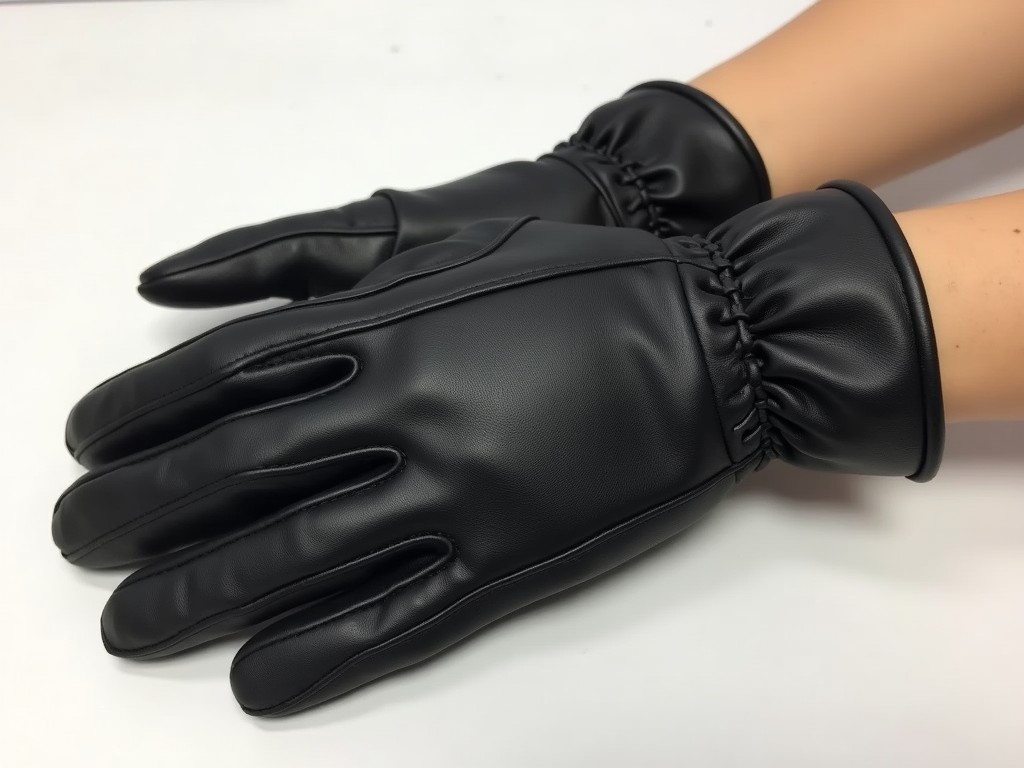
Oem Leather Horseback Riding Gloves
Manufacturing equestrian-grade gloves requires a precise balance between tactile sensitivity and mechanical durability. For OEM partners, the focus lies on sourcing specific leather grades and
OEM Leather Horseback Riding Gloves Manufacturing & Specifications
Manufacturing equestrian-grade gloves requires a precise balance between tactile sensitivity and mechanical durability. For OEM partners, the focus lies on sourcing specific leather grades and construction techniques that meet the rigorous performance demands of various riding disciplines.
High-performance riding gloves must facilitate a direct connection between the rider and the reins while protecting the hands from friction and environmental elements. The manufacturing process prioritizes the structural integrity of the leather-grain to ensure consistent performance across large-volume production runs.
Material Selection and Leather Science
The choice of leather determines the glove's friction coefficient and thermal regulation. Goatskin is frequently selected for its thin profile and high tensile-to-weight ratio, allowing riders to feel minute movements through the reins. This material remains resistant to tearing, making it ideal for competitive English riding where precision is paramount.
Sheepskin provides a softer hand, which is often preferred for recreational riding where comfort is the primary concern. For heavy-duty Western applications, cowhide or reinforced suede leather are utilized due to their superior resistance to abrasion and mechanical wear. The tanning process—whether chrome or vegetable-based—significantly affects the leather's flexibility and ability to absorb moisture over time.
Technical Construction and Ergonomics
Reinforcement is applied through double-stitching in the palm and finger-areas where friction against the reins is highest. Using high-tensile nylon or bonded threads ensures that the seams do not fail under the constant stress of gripping and pulling.
Ergonomic shaping ensures that the gloves conform to the natural curve of the hand, reducing muscle fatigue during long riding sessions. Features such as elasticated closures, snap-buttons, or deconstructeded cuffs allow for an adjustable fit that accommodates varying hand widths and glove layering preferences.
Material Performance Comparison
| Material Type | Typical Thickness (mm) | Abrasion Resistance | Grip Level | Primary Application |
|---|---|---|---|---|
| Goatskin | 0.6 - 0.8mm | Medium | High (Tactile) | English/Show |
| Sheepskin | 0.7 - 1.0mm | Low | Medium | Recreational |
| Cowhide/Suede | 1.0 - 1.3mm | High | Very High (Friction) | Western/Work |
Customization and OEM Capabilities
OEM production allows for extensive customization to align with brand identity standards. This includes heat-embossing logos on the palm or cuff, custom thread color matching, and Pantone-specific leather dyes.
- Branding: Heat embossing, foil printing, or custom metal logo attachments.
- Hardware: Selection of brass, plastic snaps, or Velcro closures based on market segment.
- Venting: Perforation patterns for enhanced airflow in high-temperature environments.
- Sizing: Standard ISO sizing alongside bespoke pattern development for professional-grade equipment.
Application Logic
The functional requirements of a glove vary significantly across equestrian disciplines. English riding requires a thin-profile glove to ensure the rider can communicate subtle cues through the leather reins. Conversely, Western riding demands durability and grip that can withstand the weight of heavy leather reins and varied weather conditions.
Understanding these nuances allows for the selection of material specifications that prevent product failure in the field. By matching leather density and thickness to the specific activity, manufacturers reduce return rates and increase end-user safety and comfort.
Request technical specifications or a bulk quotation for custom leather glove production.
Inquire About Manufacturing


