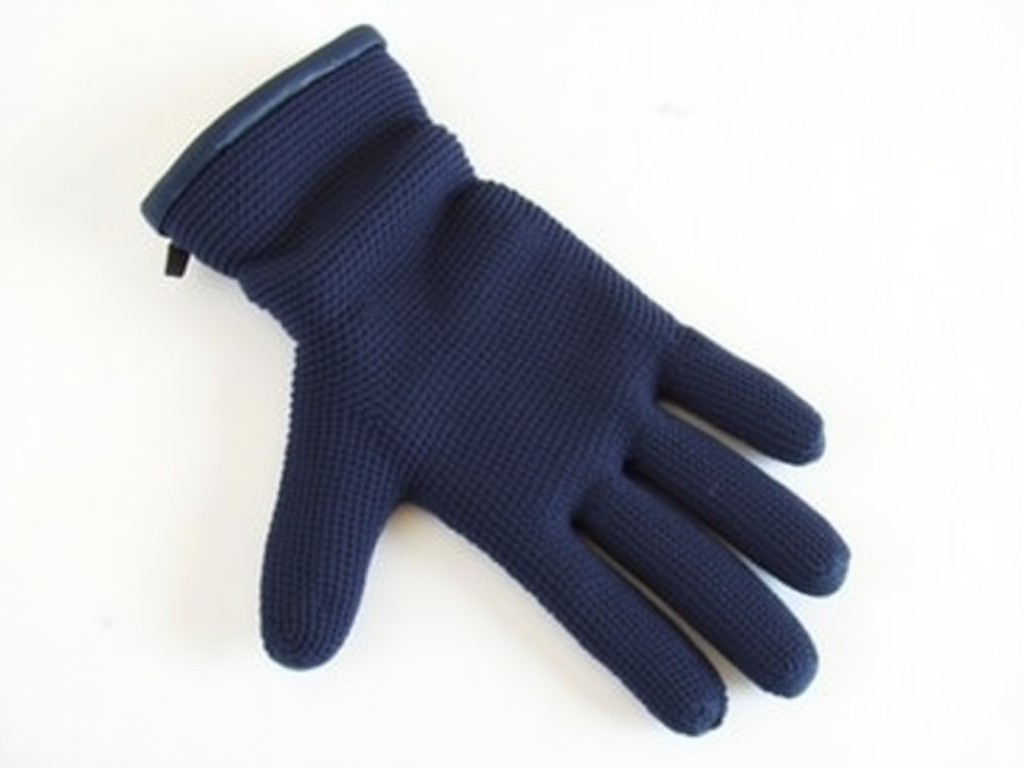
Hand Gloves For Horse Riders Source Factory
The interface between a rider's hand and the rein requires precise friction management and tactile feedback. Industrial-grade riding gloves are engineered to balance high abrasion resistance with the
Industrial-Grade Horse Riding Gloves Source Factory
The interface between a rider's hand and the rein requires precise friction management and tactile feedback. Industrial-grade riding gloves are engineered to balance high abrasion resistance with the flexibility needed for high-intensity maneuvers in jumping or dressage. Manufacturing processes focus on optimizing the material composition to ensure that the glove-to-rein interface maintains a consistent grip under varying environmental conditions.
Material Engineering and Mechanical Properties
Selection of material dictates the glove's longevity and performance-specific thermoregulation. Goatskin is frequently utilized for its high tensile strength relative to its thickness, allowing for a thin profile that preserves tactile sensitivity while resisting mechanical wear. In contrast, sheepskin offers a softer hand-feel but typically exhibits lower resistance to shear forces compared to tougher equine-derived leathers.
Synthetic polymers and micro-leathers are engineered for applications where water resistance and low maintenance are prioritized. These synthetic materials are often perforated with micro-channels to enhance airflow, preventing the buildup of moisture during prolonged periods of use. The integration of reinforced palm zones using double stitching prevents structural failure at the points where contact with the rein is most frequent.
| Material Type | Primary Benefit | Tactile Sensitivity | Maintenance |
|---|---|---|---|
| Goatskin Leather | High Abrasion Resistance | Excellent | Specialist Cleaning |
| Sheepskin Leather | Maximum Comfort | High | Brush Only |
| Synthetic Polymer | Water Resistance | Medium | Machine Washable |
Grip Technology and Ergonomics
Grip enhancement is achieved through various surface treatments, including silicone-based injections and textured patterns. These treatments increase the coefficient of friction, ensuring secure contact even when the reins are compromised by sweat or rain. The placement of these patterns is strategically calculated based on the pressure points of the human hand during a standard riding grip.
Ergonomic design involves pre-curved fingers to mimic the natural resting position of the hand. This reduces material stress at the joints, which prevents premature tearing and minimizes rider fatigue during long sessions. Elasticated closures are integrated at the wrist to provide a secure fit that prevents debris from entering the interior of the glove.
Manufacturing Standards and Factory Quality Control
Production utilizes high-precision stitching machines to ensure consistent stitch density across all seams. Each pair undergoes a structural tension test to verify that the seams can withstand the mechanical forces encountered during competitive riding. We also inspect raw leather hides for thickness uniformity and grain integrity before the cutting phase begins to minimize defects.
Quality control protocols include moisture testing for synthetic materials and dimensional verification for sizing accuracy. By maintaining strict tolerances, the factory ensures that every order meets the technical specifications outlined by the client. This systematic approach reduces the risk of return rates for distributors and equestrian equipment brands.
OEM and Customization Capabilities
The facility offers comprehensive customization options to meet specific branding and functional requirements. This includes heat-pressed logos, embroidery, and custom color-matching of material components. Custom sizing is also available for bulk orders to accommodate specific anatomical needs of professional equestrian teams.
Frequently Asked Questions
- Can dimensions be customized?
Yes, we provide standard sizing charts but can develop custom-block patterns based on project-specific technical requirements. - What is the typical production lead time?
Lead times vary from 30 to 60 days depending on the order complexity and material availability. - How are samples arranged?
Pre-production samples can be manufactured for technical evaluation before full-scale production begins. - How are export shipments protected?
Shipments are packed in moisture-barrier polybags within reinforced corrugated boxes to prevent damage during international transit.
For technical specification sheets, material data, or bulk inquiries, please contact our engineering department.
Request Technical Quote


