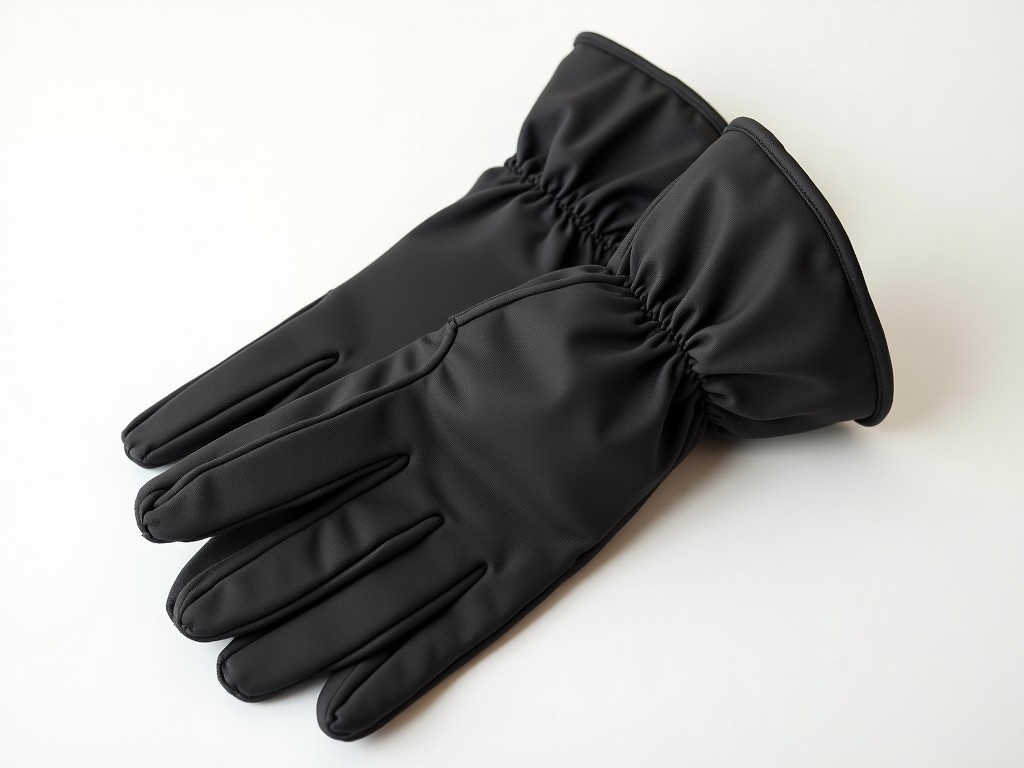
Fleece Lined Winter Riding Gloves Factory Direct
Thermal regulation in equestrian environments requires a precise balance between heat retention and the fine motor control necessary for rein management. Standard winter gloves often fail to provide
Fleece Lined Winter Riding Gloves Factory Direct Manufacturing
Thermal regulation in equestrian environments requires a precise balance between heat retention and the fine motor control necessary for rein management. Standard winter gloves often fail to provide the tactile sensitivity required for subtle cues while protecting against sub-zero temperatures. By utilizing multi-layered material construction, industrial-grade riding gloves ensure that extremities remain warm without sacrificing the dexterity required for competitive equestrian performance.
Material Science and Thermal Insulation
The primary insulating mechanism relies on high-density polyester fleece lining, which functions by trapping layers of still air against the skin. Unlike bulkier insulation, technical fleece provides a low profile profile that allows the glove to remain slim and ergonomic. The weight of the fleece, measured in grams per square meter (GSM), dictates the thermal resistance and flexibility of the final product.
The outer shell selection typically involves either treated goatskin or high-performance synthetic textiles depending on the intended use. Natural leathers are favored for their abrasion resistance and ability to mold to the hand over time. In contrast, synthetic shells often incorporate windproof membranes to prevent convective heat loss, ensuring that the internal fleece layer remains effective in adverse weather conditions.
Ergonomic Design and Performance Features
Structural integrity begins with the pre-curved finger construction which mimics the natural resting position of the hand. This design reduces the tension on the flexor tendons, preventing hand fatigue during extended riding sessions. Furthermore, reinforced seams are strategically placed at high-stress points, such as the thumb-to-index junction, to prevent tearing and failure while maintaining maximum flexibility.
- High-Friction Palms: Silicone prints or suede inserts used to maintain a secure grip on damp reins.
- Elasticated Cuffs: Wide- closures that prevent cold air and moisture from entering the glove opening.
- Touchscreen Compatibility: Integrated conductive fibers in the fingertips for operation of digital devices without removing gear.
Technical Specifications
| Feature | Specification | Typical Value |
|---|---|---|
| Lining Material | Polyester Fleece | 200 - 300 GSM |
| Outer Shell Material | Goatskin / Synthetic | Customizable per order |
| Thermal Protection | Windproof Rated | Up to -10°C |
| Grip Material | Silicone / Suede | Full palm surface |
| Stitching Type | Reinforced Lockstitch | Nylon thread used |
Manufacturing and Quality Control
The manufacturing process follows rigorous quality control protocols to ensure consistency across bulk orders. Each batch undergoes visual inspection for seam uniformity and material defects. Tensile tests are performed on reinforced areas to verify that the material will not shear under the mechanical stress typical of equestrian activity.
OEM and Customization Options
Factory-level customization allows distributors and OEM buyers to meet specific market requirements. This includes custom colorways using Pantone-matching dyes, the integration of specific fleece weights for varying climates, and the sourcing of premium-grade leather or synthetic alternatives. Branding can be achieved through high-precision embroidery, heat-transfer printing, or leather embossing, ensuring durability through multiple wear cycles.
Industrial Applications
These gloves are engineered for environments where prolonged exposure to cold is a constant factor. In competitive riding, the ability to maintain a grip on cold reins is vital for safety and performance. Similarly, for stable management and outdoor logistics, the durability of the fleece-lined construction provides necessary protection against physical abrasions and temperature drops.
Frequently Asked Questions
What is the typical production lead time for bulk orders?
Standard lead times generally range from 30 to 45 days depending on order volume and the complexity of customization requested.
Are samples available for technical evaluation?
Yes, samples can be arranged to verify material quality and fit specifications before full-scale production begins.
How are export shipments protected?
Shipments are packed in moisture-resistant polybags and secured in reinforced cardboard boxes to prevent damage during international transit.
Interested in wholesale specifications or OEM manufacturing?
Contact our technical sales team to request detailed data sheets or a formal quotation.
Request Technical Inquiry


