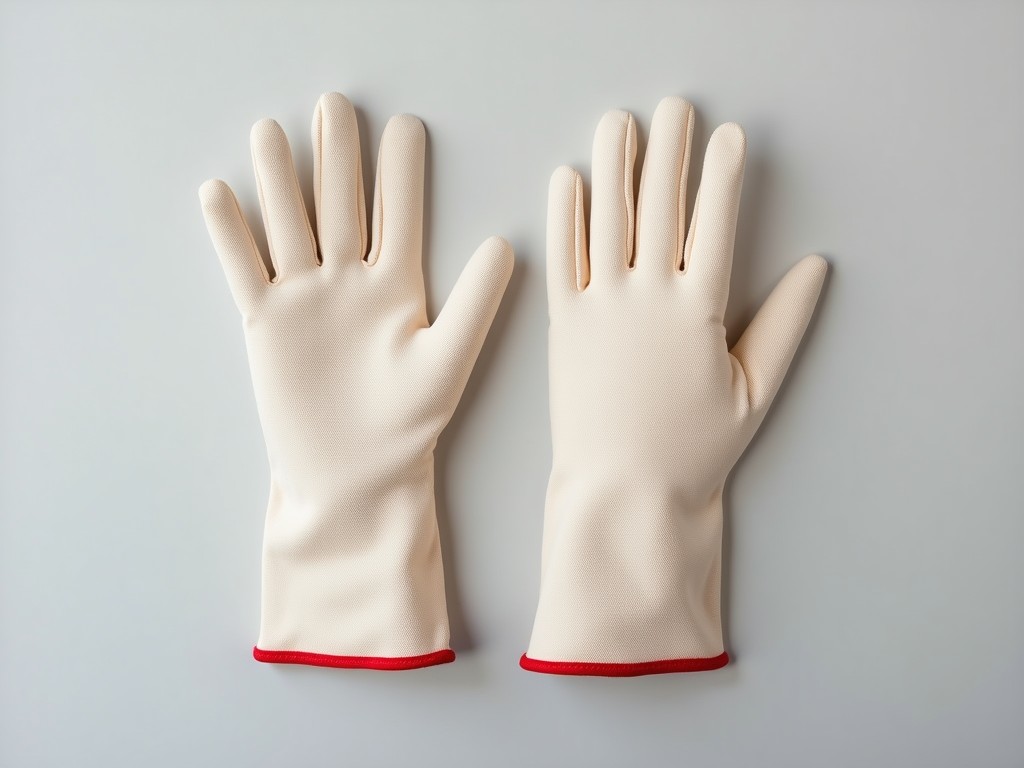
Customized Sunburn Protector Riding Gloves
Prolonged exposure to ultraviolet radiation during high-performance riding activities requires specialized barriers that balance thermal regulation with dermal protection. Standard textile barriers
Customized Sunburn Protector Riding Gloves
Prolonged exposure to ultraviolet radiation during high-performance riding activities requires specialized barriers that balance thermal regulation with dermal protection. Standard textile barriers often fail to provide consistent coverage against UV-A and UV-B rays, leading to skin degradation and physical fatigue. These customized riding gloves utilize high-density weaves engineered to achieve specific Ultraviolet Protection Factors (UPF) while maintaining the tactile sensitivity necessary for precision equipment control.
The engineering of UV-protective gear focuses on fiber density and yarn construction. By utilizing tightly knitted synthetic fibers, manufacturers can block a high percentage of solar radiation without increasing the weight of the garment significantly. This technical balance is critical for long-distance riders where heat accumulation directly impacts operator performance.
Technical Specifications and UV Protection
| Material Component | UPF Rating | Breathability | Primary Function |
|---|---|---|---|
| Polyester-Spandex Blend | 50+ | Medium | Maximum UV blocking & stretch |
| Nylon-Lycra | 40-50 | High | Abrasion resistance & durability |
| Technical Mesh Insert | 30-50 | Ultra High | Thermal regulation & airflow |
Achieving a high UPF rating involves precise control over the fabric weave structure. A rating of UPF 50 indicates that only 1/50th of UV rays reaches the skin, effectively blocking 98% of radiation. To maintain this rating after multiple wash cycles, the fibers are often treated with UV-absorbing stabilizers integrated into the polymer itself during extrusion.
Customization Options for OEM Production
OEM manufacturing allows for specific technical adjustments to meet diverse brand requirements and performance standards. Customization extends beyond aesthetic choices to include the structural integrity of the glove based on the intended riding environment.
- Ergonomic Mapping: Strategic placement of reinforced materials like synthetic leather or high-den denura in high-friction zones.
- Grip Geometry: Customizable silicone-printed patterns designed to optimize friction on handlebars or reins.
- Moisture Management: Integration of capillary-action fibers that transport sweat away from the palm surface.
- Seam Engineering: Flat-lock stitching techniques to prevent skin irritation during long-duration use.
Application-Specific Engineering
Different riding disciplines demand distinct mechanical properties from a protective glove. In high-speed motorcycling, the primary concern is wind resistance and abrasion protection in the event of a slide. Consequently, these gloves utilize high-tensile fabrics that do not tear under shear stress while still providing UV shielding.
Equestrian and performance cycling applications shift the focus toward manual dexterity and thermal comfort. The gloves must allow for a full range of motion in the fingers to maintain grip without muscle strain. Using breathable mesh panels in the dorsal area ensures that the hand does not overheat during intense climbs or high-intensity exertion.
<Quality Assurance and Manufacturing Standards
Rigorous testing protocols ensure that the protective properties remain consistent across large production runs. This includes abrasion resistance testing according to ISO standards and colorfastness tests to ensure the dyes do not degrade under intense UV exposure.
Each batch undergoes inspection for dimensional stability, ensuring that the elastic components do not lose their recovery properties over time. This attention to detail reduces the risk for procurement managers by ensuring the product meets the technical specifications agreed upon during the initial design phase.
Frequently Asked Questions
font-weight: bold;">Can dimensions be customized for specific hand sizes?
Yes, we support custom sizing based on provided ergonomic measurements to ensure a precise fit for various demographic groups.
font-weight: bold;">What is the typical production lead time for OEM orders?
Lead times typically range from 6 to 12 weeks, depending on the complexity of the material selection and the volume ordered.
font-weight: bold;">How are the UPF ratings verified?
Fabric samples are tested in laboratory environments using UV transmission meters to confirm that the material meets the specified UPF standard.
Ready to discuss technical specifications for your customized riding gloves?
Request a Technical Inquiry and Quote


