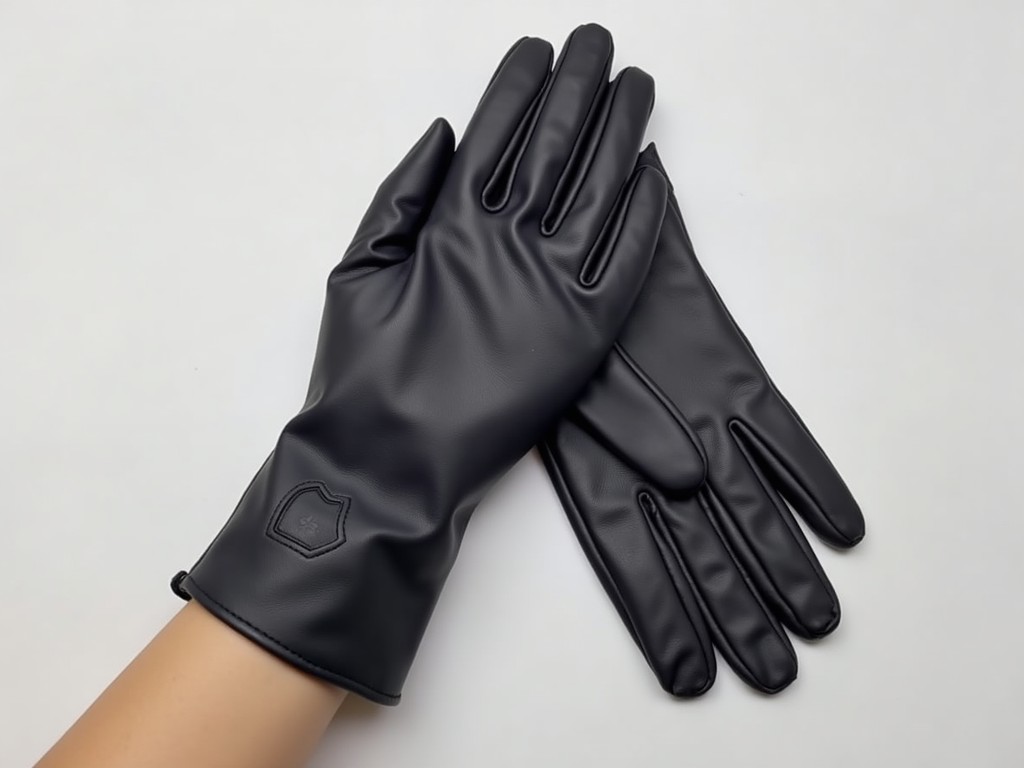
China Riding Gloves For Women
The manufacturing of equestrian gloves for women in China has evolved toward high-precision engineering, prioritizing tactile sensitivity and structural integrity for competitive disciplines. Modern
China Riding Gloves for Women: Technical Specifications and Manufacturing
The manufacturing of equestrian gloves for women in China has evolved toward high-precision engineering, prioritizing tactile sensitivity and structural integrity for competitive disciplines. Modern production facilities focus on anatomical mapping to account for the specific hand dimensions of female riders, ensuring the equipment minimizes fatigue during extended riding sessions. This technical overview examines the material science, ergonomic construction, and quality control protocols utilized in producing professional-grade riding gear.
Material Selection for Performance and Durability
Material choice is the primary determinant of a glove's abrasion resistance and thermal regulation. Goatskin remains the industry standard for premium-tier gloves due to its high tensile strength-to-thickness ratio, which allows for a thin grip on the reins without sacrificing longevity. In contrast, sheepskin is often utilized for its softness and natural breathability, though it lacks the extreme resistance to friction found in tougher hides.
For buyers requiring scalability and cost-effectiveness, synthetic microfiber leathers are increasingly common in OEM orders. These materials are engineered to mimic the friction coefficients of natural leather while offering superior moisture resistance and consistent mechanical properties. The selection between these materials depends on the specific riding environment—whether it is high-impact competition where durability is paramount or daily training where breathability is prioritized.
| Material Type | Durability Rating | Tactile Sensitivity | Primary Application |
|---|---|---|---|
| Goatskin | High | Excellent | Show Jumping / Eventing |
| Sheepskin | Medium | High | Pleasure / Dressage |
| Microfiber | High | Medium | Training / General Use |
Ergonomic Design and Safety Features
Ergonomics in riding gloves involves a pre-curved finger construction that mirrors the natural resting position of the hand. This design reduces the tension on the palm and fingers, mitigating the risk of hand cramping during long periods of rein contact. Reinforcement zones are often placed with high-density stitching or silicone overlays to distribute pressure evenly where the rider holds the reins.
Safety features are integrated through specialized closure systems and grip patterns. Velcro closures with high-tensile strength provide a secure fit that prevents the glove from shifting inside the hand during sudden movements. Furthermore, the palm surface often features laser-cut patterns to increase the coefficient of friction, ensuring consistent control even when the material becomes damp from perspiration.
Manufacturing Process and Quality Control
The manufacturing cycle begins with the precision tanning of natural hides, which determines the final flexibility and water resistance of the leather. Once tanned, the components are cut using CNC die-cutting to ensure dimensional accuracy across all size runs. This technical precision is critical for maintaining the tight tolerances required for female riding gear where even a few millimeters of deviation can impact performance.
Quality control protocols include multi-stage inspections focusing on seam strength and material uniformity. Stress tests are performed on sample batches to ensure that stitching does not fail under mechanical load. Additionally, each glove is inspected for surface defects in the leather, ensuring that the final product meets the rigorous standards expected in professional equestrian equipment.
Customization Options for OEM Services
OEM buyers have a wide range of customization capabilities to align with specific branding requirements. This includes custom embroidery for logos, heat-pressed branding, and specific color-ways utilizing industrial dyeing processes. Manufacturers can also adapt the sizing charts to accommodate regional market preferences or specific uniform designs.
- Customized grip patterns for specific rein materials.
- Material-specific linings for cold-weather performance.
- Adjustable closure hardware (Velcro or elastic).
- Private-label retail-ready packaging.
Frequently Asked Questions
Can dimensions be customized for bulk orders?
Sizing is typically standardized based on European or US charts, but custom sizing templates can be developed for specific OEM projects based on provided technical specifications.
What is the typical production lead time?
Lead times generally range from 30 to 60 days depending on order volume, material availability, and complexity of customization requirements.
How is quality inspected?
Each batch undergoes visual inspection, seam-strength testing, and material consistency checks to ensure compliance with technical standards before shipment.
For technical data sheets or to request a quotation for your OEM project, please contact our engineering team.
Inquire Technical Specifications


