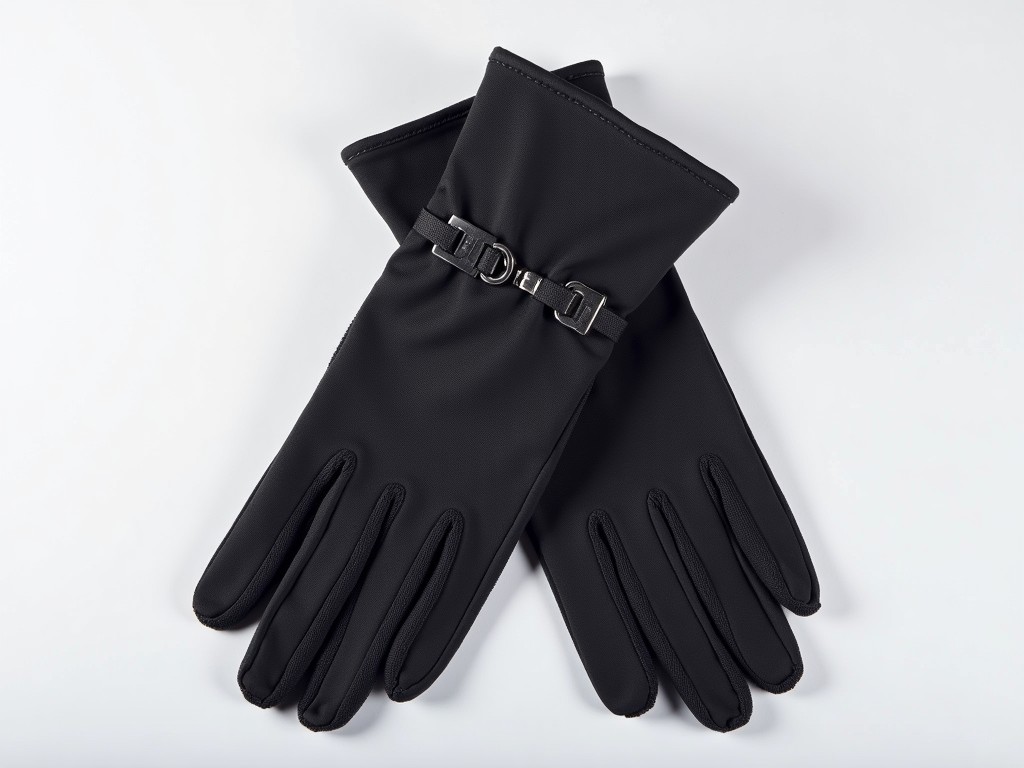
China Ladies Winter Horse Riding Gloves
Equestrian activities conducted in sub-zero environments demand a precise engineering balance between thermal insulation and tactile sensitivity. When temperatures drop, the physiological response of
China Ladies' Winter Horse Riding Gloves: Technical Specifications and Material Analysis
Equestrian activities conducted in sub-zero environments demand a precise engineering balance between thermal insulation and tactile sensitivity. When temperatures drop, the physiological response of reduced blood flow to the extremities can compromise fine motor skills, which are critical for rein control. Industrial-grade winter riding gloves are engineered to mitigate these risks by utilizing multi-layered material systems that trap heat without sacrificing the flexibility required for technical maneuvers. These high-performance gloves serve to manage moisture and thermal loss simultaneously.
Thermal Insulation and Material Selection
The thermal performance of a winter riding glove depends on the R-value of its lining materials. High-specification models typically utilize genuine shearling or synthetic microfleece to create a stagnant air pocket that acts as a primary insulator. Unlike standard winter gloves, riding variants must incorporate a breathable membrane to prevent internal vapor buildup from perspiration, which can lead to dampness and rapid cooling once the physical exertion ceases.
Outer shell construction often employs top-grain goatskin or sheepskin leather due to their inherent tensile strength and natural water resistance. These materials provide a durable barrier against wind chill while maintaining the thin profile necessary for maintaining an ergonomic grip. For extreme cold conditions, synthetic composites with windproof membranes are integrated to provide an additional layer of protection against the convective heat loss found in open fields.
Ergonomic Design and Grip Mechanics
Mechanical integrity is the primary functional requirement for any equestrian glove. To achieve this, the palm-side is often reinforced with suede leather inserts or high-friction silicone patterns to increase the coefficient of friction against leather reins. This reinforcement ensures that the rider can maintain a secure hold with less muscular force, thereby reducing hand fatigue during long training sessions.
Anatomical shaping is achieved through pre-curved finger construction, which mimics the neutral position of the hand. This design reduces the tension on the fabric seams and prevents the material from stretching out of shape over repeated use. Wrist closures, such as elasticated cuffs or adjustable Velcro straps, provide the necessary seal to prevent the ingress of cold air into the glove's internal environment.
Technical Specifications
| Feature | Typical Values / Options |
|---|---|
| Primary Material | Goatskin, Sheepskin, or Microfiber Leather |
| Lining Type | Shearling, Thermal Fleece, or Wool |
| Rein Reinforcement | Suede palm, Silicone grip zones |
| Water Resistance | Durable Water Repellent (DWR) treated |
| Sizing Standards | EU 6-10 (Custom sizing available) |
| Construction Method | Double-stitched high-stress seams |
Application-Specific Performance
These gloves are optimized for specific equestrian applications where thermal protection is non-negotiable. In competitive jumping or dressage, the flexibility of the leather allows for the precise finger movements required for subtle aids. Conversely, for stable management in winter, the heavy thermal lining provides the necessary protection during physical labor and equipment maintenance in outdoor conditions.
The integration of moisture-wicking technologies ensures that the gloves remain effective even during high-intensity riding. By moving sweat away from the skin, the gloves prevent the risk of frostbite-related issues that occur when moisture freezes against the hand during rest.
Manufacturing and Customization
Manufacturing processes for winter riding gloves allow for significant customization to meet specific brand or functional requirements. This includes the selection of leather grades, custom embroidery for logos, and the application of specialized grip patterns. Quality control protocols involve testing the tensile strength of the seams and verifying the thermal properties of the lining to ensure they meet industrial standards.
For technical inquiries or to request a bulk quotation for OEM production, please contact our engineering sales team.
Inquire About Technical Specifications


