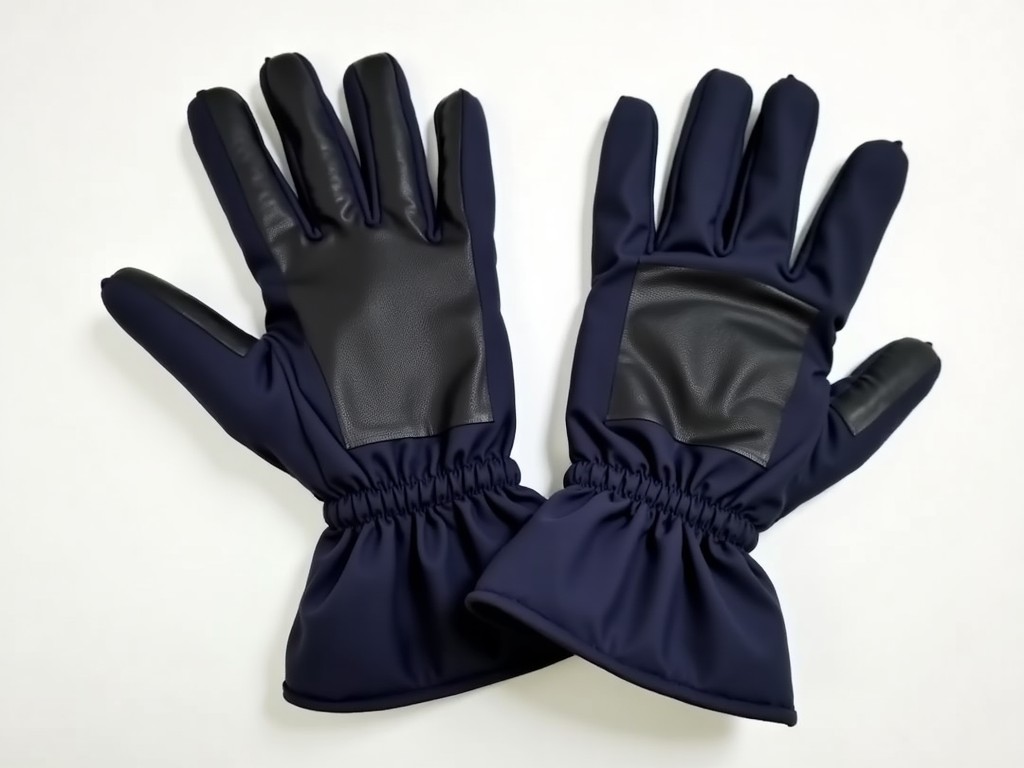
Buy Womens Winter Horse Riding Gloves
Selecting winter riding gloves for women requires a precise balance between thermal insulation and the fine motor control necessary for rein management. In sub-zero temperatures, material density
Womens Winter Horse Riding Gloves: Technical Specifications and Material Analysis
Selecting winter riding gloves for women requires a precise balance between thermal insulation and the fine motor control necessary for rein management. In sub-zero temperatures, material density must prevent heat loss without sacrificing the tactile feedback required for subtle communication cues. Professional-grade winter equipment focuses on multi-layered construction to manage moisture while maintaining a high-friction interface between the hand and the equipment.
Material Selection and Thermal Properties
The choice of outer shell material determines the glove's longevity under high-abrasion conditions. Goatskin is frequently utilized for the palm and fingers fingers because of its natural grain density and superior resistance to abrasion compared to thinner leathers. While sheepskin offers superior thermal insulation due to its natural loft, it often lacks the structural integrity required for heavy-duty contact with leather reins.
Internal linings play a critical role in thermal regulation. High-performance models often incorporate synthetic fleece or shearling linings to create a dead air space, which traps body heat. These materials must be moisture-wicking to prevent sweat accumulation, which can otherwise lead to rapid cooling once the rider stops the physical exertion of de-riding.
Key Technical Specifications
- Reinforced Palms: High-tensile goatskin inserts to prevent wear from rein friction.
- Thermal Barrier: Rated for temperatures ranging from -5°C to -15°C.
- Ergonomic Seaming: Pre-curved finger channels to reduce hand fatigue during long sessions.
- Grip Interface: Silicone or textured leather overlays for enhanced control in wet conditions.
Structural Integrity and Ergonomics
Construction architecture is as vital as material choice for safety and performance. Industrial-grade stitching is required at high-stress zones, such as the thumb-set, to prevent seam failure. The use of tapered fingers ensures that the added thermal layers do not significantly increase the bulk of the glove, which would compromise the secure grip.
Moisture management is addressed through breathable membranes integrated into the outer layers. When the rider generates heat, vapor must escape to prevent internal condensation. This vapor-transmission capability prevents the internal lining from becoming saturated, which would significantly degrade the thermal rating of the glove.
| Material Type | Thermal Rating | Durability Level | Primary Application |
|---|---|---|---|
| Premium Goatskin | Medium | High | Show Jumping / Competition |
| Sheepskin Lined | High | Medium | Stable Work / Endurance |
| Synthetic Hybrid | Variable | Medium-High | General Training |
Application-Specific Performance Requirements
Different riding disciplines demand different performance characteristics from winter gloves. For event riding, the rider requires a slim-profile glove that maintains maximum sensitivity to the bit and reins, despite the cold. In contrast, for cross-country riding, the priority shifts toward windproofing and water resistance, as the rider is exposed to the elements.
Stable management in winter conditions necessitates a focus on durability and ease of use. Gloves designed for these tasks often feature reinforced palms to withstand the constant abrasion of handling tack and grooming equipment. The inclusion of elastic closures or adjustable cuffs ensures that the glove remains seated against the wrist, preventing cold ingress.
OEM and Customization Capabilities
For bulk procurement and distributors, we offer various customization options to meet specific brand requirements. This includes the selection of specific leather thicknesses, embroidery for branding, and the integration of specialized thermal membranes. Our manufacturing process follows rigorous quality control protocols to ensure every batch meets the specified tensile strength and thermal insulation standards.
Interested in technical data sheets or bulk pricing for winter riding equipment?
Request Technical Specifications and Quotation


