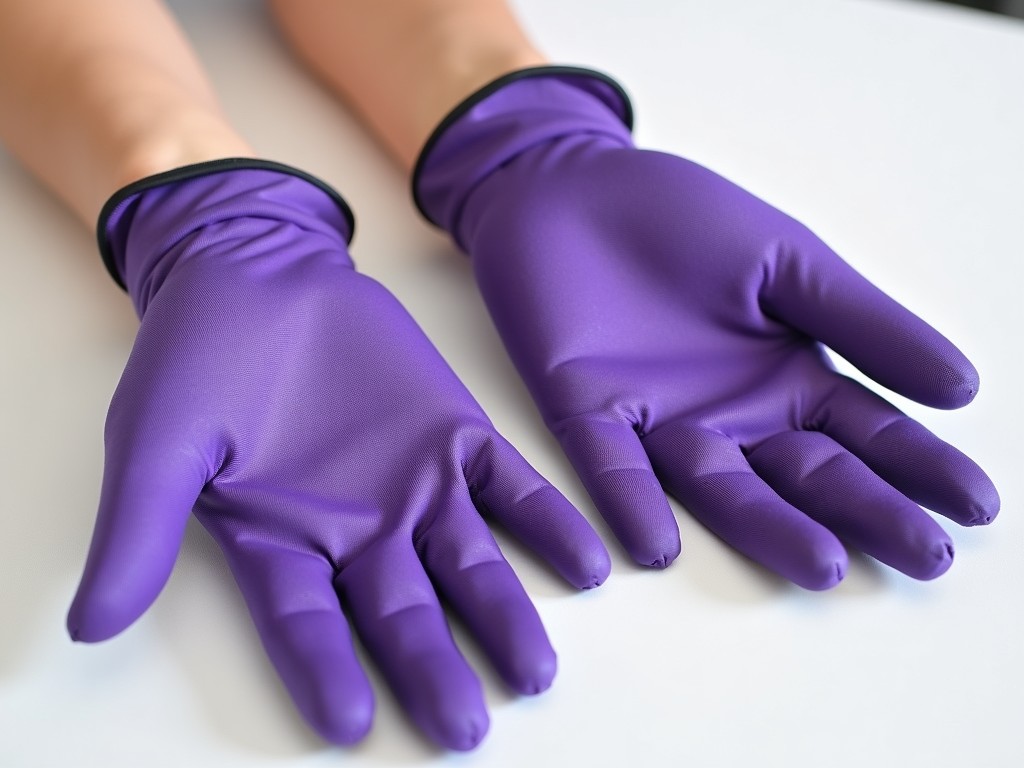
Buy Purple Horse Riding Gloves
Procuring high-performance equestrian equipment requires a balance between tactile feedback and structural durability. When selecting for purple-toned horse riding gloves, the technical focus shifts
Buy Purple Horse Riding Gloves
Procuring high-performance equestrian equipment requires a balance between tactile feedback and structural durability. When selecting for purple-toned horse riding gloves, the technical focus shifts to how the dyeing process affects the tensile strength of the leather or the flexibility of synthetic microfiber fibers. High-grade variants utilize deep-penetration pigments that prevent fading or cracking during repeated use, ensuring the rider maintains a consistent grip across varying environmental conditions.
Specialized Material Composition for Equestrian Performance
Material selection dictates the longevity and sensitivity of the glove against the reins. Premium goatskin is frequently utilized due to its high fiber density and natural elasticity, which allows for a thinner profile without sacrificing the abrasion resistance needed for daily stable maneuvers. For riders requiring higher resistance to moisture, synthetic microfiber composites offer a consistent coefficient of friction that does not degrade when the material becomes wet.
The pigmentation process for purple gloves involves specific acid-dyeing techniques that penetrate the collagen fibers of the leather. Unlike surface-level coatings that can peel under mechanical stress, this method ensures the color remains integral to the material structure. This structural integrity is critical for maintaining the aesthetic standards of the gear while subjected to high UV exposure during long outdoor training sessions.
Ergonomic Design and Grip Mechanics
Anatomical construction is essential to prevent hand fatigue during extended periods of riding. Pre-curved manufacturing processes allow the gloves to be shaped according to the natural resting position of the hand, eliminating unnecessary material bunching at the knuckles and fingers. This design choice ensures a direct transfer of signals from the rider to the horse's bit without interference.
Reinforcement zones often feature reinforced palms with additional suede or high-grip silicone inserts to manage the friction generated by the reins. These zones are strategically placed where the highest pressure points occur, extending the overall life cycle of the product. The closure mechanisms—whether heavy-duty industrial-grade Velcro or reinforced snaps—provide the adjustable tension necessary to prevent the glove from shifting during rapid lateral movements.
| Specification | Technical Value | Industrial Benefit |
|---|---|---|
| Material Thickness | 0.7mm - 1.2mm | Balances sensitivity with palm protection. |
| Stitch Density | 8-10 stitches per inch | Prevents seam failure under high tension. |
| Grip Coefficient | > 0.6 (Dry) | Ensures secure control of reins. |
| Dye Stability | Grade 4 Colorfastness | Maintains hue despite UV exposure. |
Applications across Disciplines
Different equestrian disciplines demand specific performance characteristics from riding gloves. In dressage, the focus is on extreme sensitivity and thin materials that allow the rider to feel micro-adjustments in the bit. Conversely, jumping and eventing require higher durability and superior abrasion resistance to withstand the impact and friction associated with high-speed maneuvers.
The purple color variant is often a preferred choice for professional teams or individual riders seeking a distinct visual identity without compromising on technical specifications. By utilizing industrial-grade materials, these gloves ensure that the aesthetic choice integrates seamlessly with high-performance requirements of modern competitive equestrian sports.
Quality Control and Manufacturing Standards
Manufacturing involves a multi-stage inspection process to ensure every batch meets durability standards. Each pair undergoes tension testing on the seams to verify they will not fail under the stress of a gallop. Furthermore, colorfastness tests are performed to ensure the pigment does not transfer to equipment or hands when exposed to moisture or sweat.
Quality control also extends to the sourcing of the raw leather, ensuring uniform grain thickness across the entire production run. This meticulous attention to detail reduces the risk of premature wear, providing a reliable solution for procurement managers and distributors who prioritize equipment longevity.
Frequently Asked Questions
How is the purple color maintained during cleaning?
Using acid-dyed leather ensures the pigment is embedded within the fibers. For maintenance, gentle cleaning with specialized leather cleaners is recommended to maintain the structural integrity of the dye.
What material is best for high-friction jumping?
Goatskin with reinforced suede palms is typically preferred for jumping as it provides the necessary grip and resistance to impact-related friction.
Are custom sizes available for bulk OEM orders?
Yes, manufacturing facilities can accommodate custom sizing and logo embossing based on specific project requirements and minimum order thresholds.
Requires technical specifications or a bulk volume quote?
Inquire for Technical Specifications


