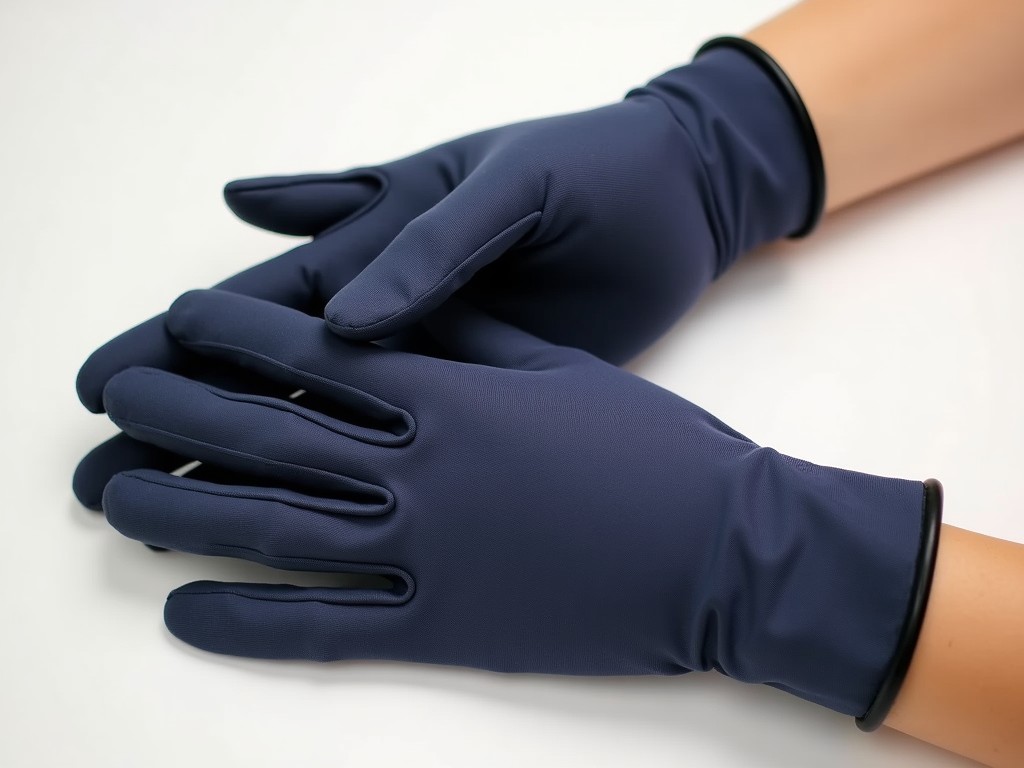
Buy Ladies Horse Riding Gloves
The interface between a rider's hand and the rein represents a critical mechanical point in equestrian performance where precision and safety intersect. Professional-grade riding gloves are
Professional Ladies Horse Riding Gloves: Technical Specifications and Material Selection
The interface between a rider's hand and the rein represents a critical mechanical point in equestrian performance where precision and safety intersect. Professional-grade riding gloves are engineered to balance high-friction coefficients for secure control with the tactile sensitivity required for subtle communication cues. Selecting the correct equipment requires an understanding of how different tensile materials respond to moisture, abrasion, and the mechanical stress of long-duration schooling sessions or high-impact competition sessions.
Engineering Requirements for Equestrian Hand Protection
Effective equestrian equipment addresses three primary challenges: hand fatigue reduction, grip stability, and thermal regulation. When a rider grips the reins, the constant pressure can lead to localized ischemia or muscle strain if the glove material does not distribute load evenly. Technical gloves utilize ergonomic palm constructions to distribute this pressure across the hand, minimizing the risk of blisters and cramping during complex maneuvers.
Furthermore, moisture management is a vital factor in maintaining grip integrity. Sweat or external moisture can significantly alter the friction coefficient between the glove and the rein, potentially leading to a slip if the material wicks poorly or becomes saturated. High-performance gloves utilize breathable leathers or synthetic fibers designed to maintain a consistent grip rating regardless of varying environmental conditions.
Material Comparison: Durability and Tactile Sensitivity
Material choice dictates the lifecycle of the glove and its performance under specific disciplines. Sheepskin (Nappa) is frequently specified for its exceptional softness and high tactile feedback, making it ideal for dressage where micro-adjustments are paramount. However, sheepskin possesses lower abrasion resistance compared to other hides, requiring more frequent replacement in high-wear environments.
Goatskin (Cabretta) offers a technical alternative with a higher grain density and natural water resistance. The fibers are more tightly packed, providing better durability against the abrasive action of leather or synthetic reins. For high-frequency use where cost-efficiency is considered, synthetic micro-suede materials provide consistent performance, though they often lack the adaptive molding properties found in natural leather.
Technical Performance Specifications
| Material Type | Typical Thickness (mm) | Grip Rating | Abrasion Resistance | Primary Benefit |
|---|---|---|---|---|
| Sheepskin (Nappa) | 0.5 - 0.7mm | High (Tactile) | Medium | Maximum Sensitivity |
| Goatskin (Cabretta) | 0.7 - 0.9mm | High (Mechanical) | High | Durability & Water Resistance |
| Synthetic Stretch | 0.6 - 0.8mm | Medium | Very High | Flexibility & Low Maintenance |
Application-Specific Material Selection Logic
The selection process should align with the specific mechanical demands of the equestrian discipline. In jumping, the rider is subjected to significant vibrations and potential impact during the landing phase; here, gloves with reinforced palm zones and higher-density materials are preferred to prevent structural failure of the glove.
Conversely, dressage demands a level of precision where the rider must feel the slightest shift in the horse's mouth. In this context, thinner sheepskin leathers allow for a direct transfer of energy through the rein, ensuring that the rider's technical cues are not dampened by excessive material padding.
Customization Options and Manufacturing Standards
OEM buyers and bulk distributors can access various customization parameters to meet branding or functional requirements. This includes reinforced double-stitching in high-stress areas like the thumbset and finger tips to extend the product's service life.
- Customized logo embossing or heat printing for team identification.
- Variable sizing ranges to accommodate specific anatomical hand measurements.
- Selection of closure mechanisms (elasticated wrist, velcro, or snap).
- Internal moisture-wicking liners for extreme climate conditions.
Frequently Asked Technical Questions
What is the typical production lead time for bulk riding gloves?
Lead times vary based on material availability and the complexity of the requested requested, typically ranging from 4 to 8 weeks for standard orders.
How are leather gloves maintained to preserve structural integrity?
Natural leather should be kept away from direct heat sources and treated with specialized leather conditioners to prevent the oils from drying out, which leads to cracking and tensile failure.
Can dimensions be customized for specific OEM requirements?
Yes, manufacturing can be adjusted based on provided technical specification sheets to ensure an optimal fit for specific rider demographics.
Technical Inquiry and Bulk Procurement
For detailed material data sheets, bulk pricing tiers, or to request technical samples, please contact our technical sales department.
Request a Formal Quotation →


