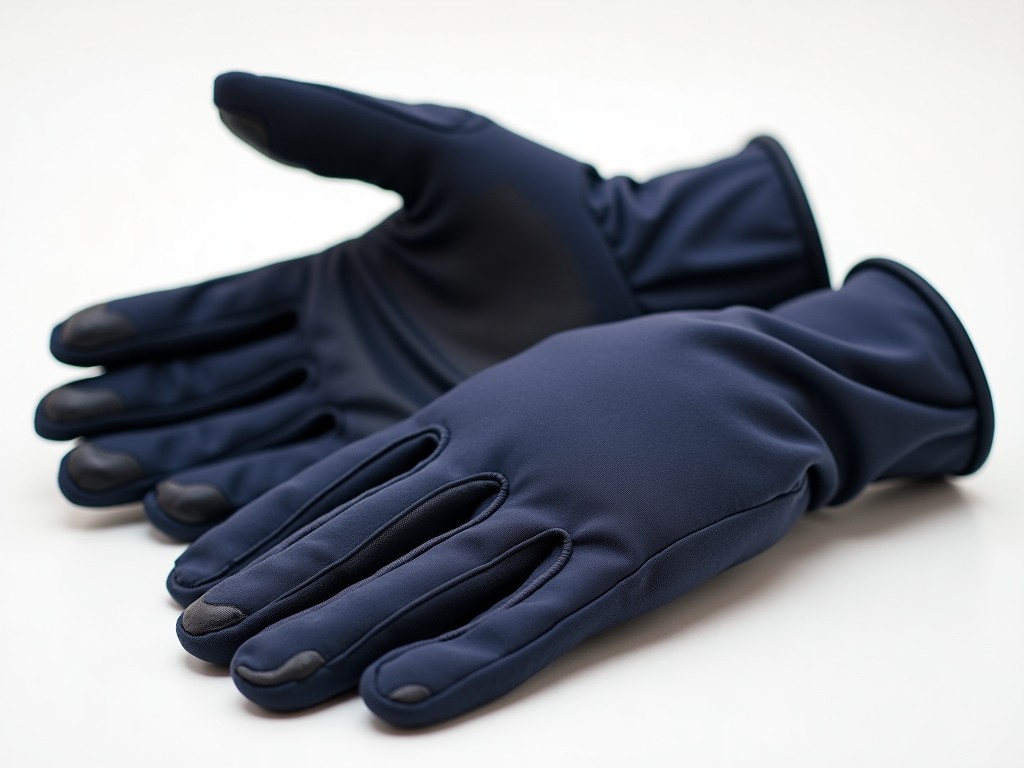
Buy Cold Weather Horse Riding Gloves
Procurement of equestrian gear for cold-weather environments requires a technical balance between thermal insulation and tactile sensitivity. In sub-zero temperatures, the primary challenge is
buy cold weather horse riding gloves
Procurement of equestrian gear for cold-weather environments requires a technical balance between thermal insulation and tactile sensitivity. In sub-zero temperatures, the primary challenge is preventing the restriction of blood flow to the extremities which compromises the fine motor control necessary for precise rein communication. Professional-grade cold weather riding gloves are engineered to provide a thermal barrier against heat loss while maintaining the mechanical flexibility required for high-level performance and aids.
Standard winter gloves often fail in an equestrian context because they lack the necessary grip coefficients or become overly bulky, interfering with saddle contact. Industrial solutions utilize specialized leather composites and moisture-wicking membranes to ensure that the hand remains dry and functional during extended periods of exposure to moisture and wind chill.
Material Selection for Thermal Regulation
The selection of outer materials dictates the glove's performance profile. Goatskin leather is frequently specified for its high tensile strength-to-weight ratio and natural flexibility, which allows for a thinner profile without sacrificing thermal protection. For environments requiring higher water resistance, treated cowhide or synthetic leathers offer superior barrier properties, though they may require internal insulation to maintain ergonomic dexterity.
Internal thermal layers often utilize multi-filament synthetic fibers or breathable-water membranes. These membranes allow water vapor to escape while preventing liquid water from penetrating the lining, thereby mitigating the risk of evaporative cooling which leads to rapid heat loss. Integration of fleece-lined palms or shearling inserts provides an air-trapping layer that significantly increases the insulation value of the garment.
- Breathable Membranes: Provides a windproof barrier while managing internal perspiration buildup.
- Primes-treated Leathers: Enhances water repelency and abrasion resistance at the molecular level.
- Insulated Linings: Utilizes high-loft fabrics to retain body heat in extreme conditions.
Ergonomic Design and Grip Mechanics
Ergonomic construction in cold-weather gloves focuses on the pre-curved finger architecture, which mimics the natural resting position of the hand. This design reduces the tension on the tendons and ligaments, preventing premature muscle fatigue during long riding sessions. Reinforcement zones are strategically placed on the thumb and index finger where high-friction contact with the reins occurs frequently.
Grip mechanics are addressed through the application of silicone-based prints or textured suede on the palm and fingers. These features increase the coefficient of friction between the glove and the equipment, ensuring secure control even when the material is wet or frozen. The engineering of the grip must balance durability with elastic gusseting at the knuckle joints to ensure a full range of motion.
Durability and Performance Standards
Durability in equestrian gloves is measured by abrasion resistance and the integrity of the seams. High-stress areas utilize double-stitching or reinforced seams with heavy-duty nylon threads to prevent unraveling under the mechanical load of riding. Materials are tested for their ability to withstand repetitive flexion, ensuring the leather does not become brittle after repeated drying cycles.
Performance standards also include water ingress ratings and thermal resistance (RET) values. A glove designed for professional-grade use must maintain its structural properties after becoming saturated, ensuring that the insulation does not collapse, which would otherwise compromise the rider's safety.
Technical Comparison of Materials
| Material Combination | Insulation Rating | Water Resistance | Dexterity Level |
|---|---|---|---|
| Goatskin / Fleece Lining | Medium-High | Moderate | High |
| Cowhide / Membrane | Medium | High | Medium |
| Synthetic / Thermal Wool | High | Variable | Medium |
Applications in Equestrian Disciplines
Different equestrian disciplines demand specific technical specifications for cold-weather gear. Show jumping requires high-level dexterity for subtle aid adjustments, favoring thinner leathers with high-performance membranes. In contrast, endurance riding demands maximum thermal protection and robust moisture management, as riders may spend hours in exposed, varying weather conditions.
For showing and eventing, the focus shifts toward aesthetic consistency combined with windproofing, often utilizing treated leathers that resist staining. Trail riding equipment prioritizes durability and abrasion resistance, as the gloves are more likely to encounter contact with brush and varied terrain.
Frequently Asked Technical Questions
Can the dimensions be customized for OEM orders?
Yes, technical specifications for sizing and material reinforcement can be adjusted based on specific project requirements or large-scale procurement contracts.
What is the standard testing protocol for waterproof membranes?
Membranes are typically subjected to hydrostatic head testing to determine water resistance and vapor transmission testing to ensure breathability standards.
What is the typical production lead time for bulk orders?
Lead times vary based on material availability and volume, generally ranging from 6 to 12 weeks for industrial-scale manufacturing.
For technical specifications or to request a bulk quotation, contact our engineering department.
Request Technical Quotation


