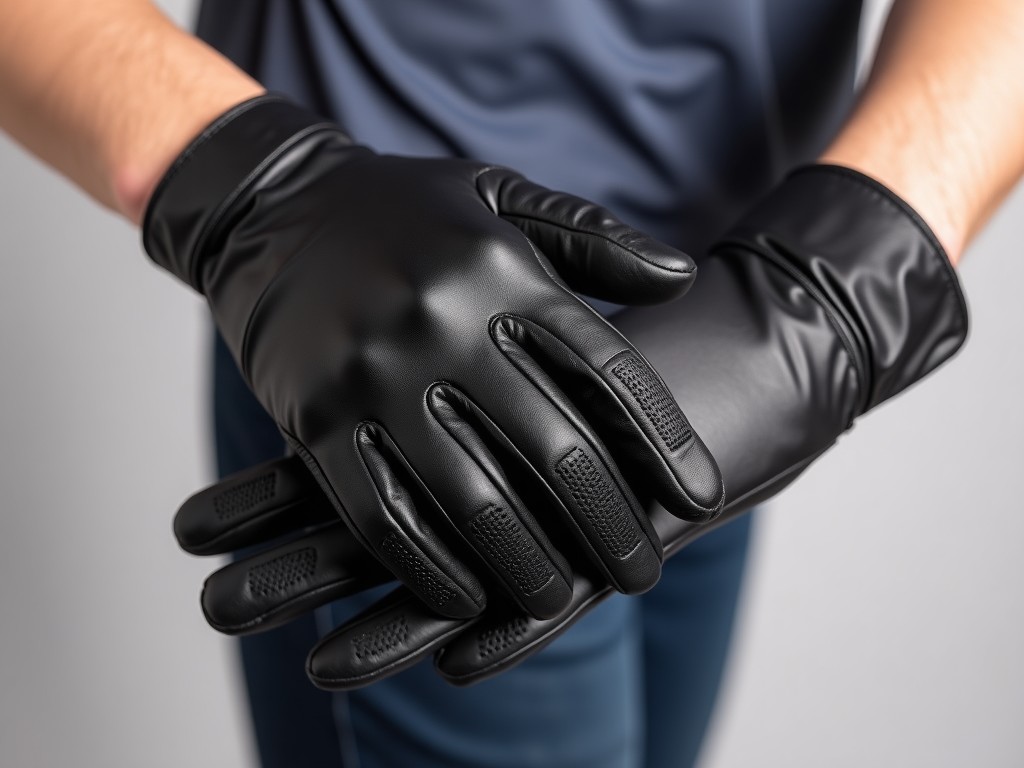
Bulk Riding Gloves For Men Winter
Maintaining hand function during winter operations requires a precise balance between thermal insulation and tactile sensitivity. For industrial-scale procurement, selecting winter riding gloves
Bulk Riding Gloves for Men Winter: Technical Specifications and Procurement Guide
Maintaining hand function during winter operations requires a precise balance between thermal insulation and tactile sensitivity. For industrial-scale procurement, selecting winter riding gloves involves evaluating the material's performance against wind chill, moisture ingress, and mechanical abrasion. High-performance gloves must ensure that operators retain grip strength without sacrificing the dexterity required for operating equipment controls or managing animal reins.
Material Composition and Thermal Insulation
The construction of winter riding gloves utilizes a multi-layered approach to manage thermal gradients. The primary outer shell often consists of treated goatskin, favored for its high tensile-to-weight ratio and superior flexibility compared to standard cowhide leather. In environments where water resistance is paramount, synthetic leathers with polyurethane coatings offer a consistent alternative and cost-efficiency for high-volume orders.
Internal thermal regulation is achieved through non-woven synthetic fibers, such as de-ionized fleece or specialized thermal-inserts. These materials trap air pockets to provide insulation while maintaining moisture-wicking properties to prevent heat loss from perspiration. A breathable, waterproof membrane is typically laminated between the outer shell and the lining to block external precipitation while allowing internal water vapor to escape.
Ergonomic Design and Safety Features
Anatomical shaping is a critical factor in reducing hand fatigue during extended winter shifts. Pre-curved finger constructions mimic the natural resting position of the hand, minimizing the tension on the flexor tendons during prolonged gripping. Reinforced palm zones and fingers often feature high-friction silicon prints or suede inserts to ensure mechanical stability even when surfaces are wet or cold.
- Touchscreen Compatibility: Conductive fibers in the fingertips allow for digital interface interaction without exposing the skin to cold air.
- Impact Protection: High-density EVA foam inserts on the knuckles provide energy absorption during accidental impacts.
- Wrist Sealing: Elasticated neoprene or adjustable velcro cuffs prevent wind chill from entering the glove interior.
Bulk Procurement and Customization Options
| Feature | Technical Specifications | Customization Options |
|---|---|---|
| Outer Material | Goatskin, Synthetic Leather, or Cordura | Colorway matching, logo embossing |
| Insulation Level | 200g to 400g Thermal Fleece | Variable thickness per climate zone | |
| Waterproofing | TPU-laminated Membrane | Durable water repellent coating |
| Reinforcement | Double-stitched palms | Pattern-specific grip zones | |
Industrial Applications
Winter riding gloves are utilized across various sectors where manual dexterity is a necessity. Equestrian logistics require gloves that offer high abrasion resistance against leather tack while maintaining enough sensitivity for precise rein control. Similarly, motorcycle delivery fleets and outdoor security teams prioritize windproof capabilities and knuckle protection to mitigate risks associated with sub-zero environments.
In heavy industrial contexts, these gloves serve as personal protective equipment (PPE) for workers performing cold-chain tasks. The durability of the reinforced palms ensures that the product lifecycle is extended despite frequent use, reducing the total cost of ownership for the organization.
Quality Control and Testing Standards
Manufacturing protocols involve rigorous testing to ensure each batch meets specified performance benchmarks. Abrasion resistance testing according to ASTM standards verifies that the palm material will not dehis prematurely under high-friction use. Water penetration tests are conducted to confirm the integrity of the waterproof membrane under hydrostatic pressure.
Consistency in bulk orders is maintained through standardized inspection checkpoints focusing on stitch tension, seam strength, and uniformity. This ensures that procurement managers receive products that adhere strictly to the technical requirements outlined during the specification phase.
For technical inquiries or bulk quotations regarding winter riding glove specifications:
Request a Technical Quote


