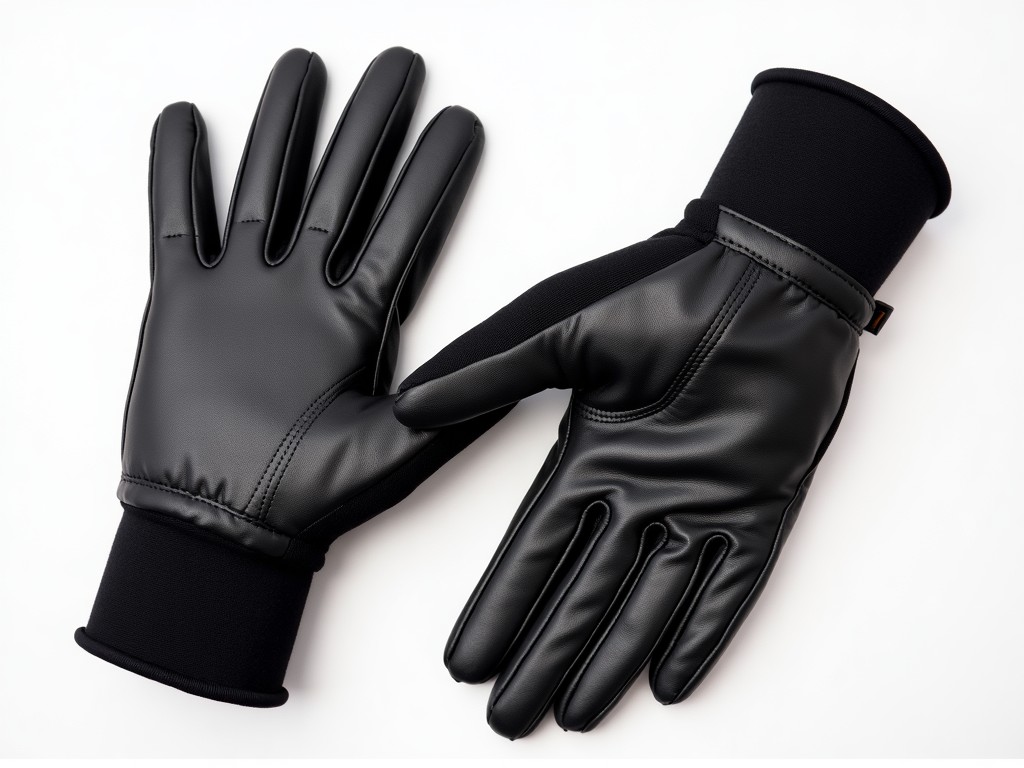
B2B Waterproof Thermal Winter Riding Gloves
Winter riding environments present a complex thermal challenge where must counteract rapid heat loss caused by wind chill and moisture ingress. For B2B procurement, the focus remains on the balance
B2B Waterproof Thermal Winter Riding Gloves
Winter riding environments present a complex thermal challenge where must counteract rapid heat loss caused by wind chill and moisture ingress. For B2B procurement, the focus remains on the balance between high-loft insulation coefficients and the tactile dexterity required for operating vehicle controls. These gloves are engineered to maintain a stable microclimate in sub-zero temperatures while ensuring internal vapor pressure escape to prevent evaporative cooling from sweat buildup.
Material Science and Insulation Technology
Thermal regulation in winter gear is achieved through multi-layered insulation systems. Unlike standard thermal fillers that lose loft properties when damp, high-performance synthetic fibers maintain their structural integrity and trapped air pockets even under humid conditions. These fibers are strategically mapped to maximize the warmth-to-weight ratio, ensuring the glove does not impede the range of motion necessary for brake grip and throttle operation.
The outer shell selection is based on abrasion resistance requirements and environmental exposure. Industrial-grade goatskin or reinforced Cordura-blend textiles provide the necessary durability for high-friction zones. The palm-side often incorporates treated leather membranes to enhance grip during wet conditions. By utilizing varying material densities across the hand, the design provides targeted protection where most needed while maintaining flexibility in the joints.
Waterproofing and Breathability Engineering
True waterproofing is achieved through microporous membranes rather than simple surface-level coatings. These membranes feature pores that are significantly smaller than a water droplet but large enough to allow water vapor molecules to escape. This process is measured by the hydrostatic head rating, which determines how much pressure the material can withstand before leaking occurs during heavy rain or snow contact.
Breathability is quantified via the Moisture Transmission Rate (MVTR). In high-intensity riding scenarios, a high MVTR is critical to prevent the accumulation of internal moisture which otherwise leads to rapid cooling once the rider stops. All seams are taped with heat-activated waterproof tape to ensure the structural integrity of the waterproof barrier remains intact under repeated mechanical stress.
| Technical Specification | Typical Values / Custom Range |
|---|---|
| Waterproof Rating | Minimum 10,000mm Hydrostatic Head |
| Breathability (MVTR) | 15,000 - 25,000 g/m²/24h |
| Insulation Material | 200g to 400g Synthetic Polyfill |
| Operational Temperature Range | -25°C to +10°C |
| Abrasion Resistance | Martindale >30k cycles |
Industrial Applications and Use Cases
These gloves are specified for sectors where hand safety in extreme cold is non-negotiable. Logistics and delivery fleets operating in northern climates require gear that prevents rider fatigue caused by cold-induced vasoconstriction. The ergonomic construction ensures that operators can maintain precision with digital interfaces and mechanical controls without sacrificing warmth.
Emergency services and outdoor industrial maintenance teams also benefit from the high-durability construction. In these roles, gloves must withstand mechanical abrasion against equipment while providing a barrier against freezing rain and ice. The reliability of the waterproof membrane ensures that the gear remains dry throughout extended shifts, reducing the risk of frostbite-related injuries.
Customization and OEM Manufacturing
OEM partnerships allow for technical customization to meet specific corporate or safety requirements. This includes the selection of specific outer materials—such as high-visibility fabrics or specialized leathers—and the integration of reinforced padding for specific impact zones. Branding is applied via heat-transfer or embroidery designed to withstand weathering under industrial use.
Quality control protocols involve batch testing of seam strength and water pressure testing of the waterproof barrier. We provide detailed data sheets for procurement managers to verify compliance with safety standards. This ensures that every unit delivered meets the performance parameters required for worker safety and operational longevity.
Are you looking for specific technical specifications for a bulk order?
Contact our engineering team to discuss your specific material requirements and manufacturing lead times.
Request Technical Quotation


