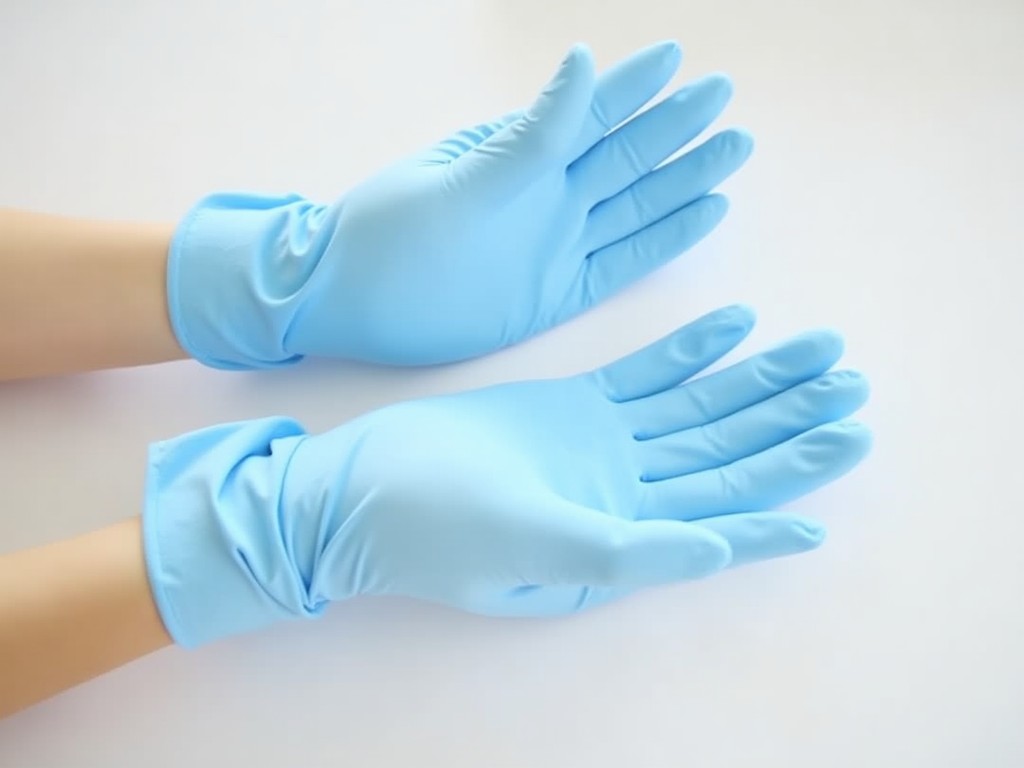
Oem Lint Free Microfiber Cloth Gloves
The manufacturing of lint-free microfiber gloves requires precision control over fiber density and weave structure to eliminate particle shedding. Unlike traditional textiles that release cellulose
OEM Lint Free Microfiber Cloth Gloves
The manufacturing of lint-free microfiber gloves requires precision control over fiber density and weave structure to eliminate particle shedding. Unlike traditional textiles that release cellulose fibers under mechanical stress, microfiber utilizes a split-filament structure of polyester and polyamide to encapsulate contaminants within the fiber capillary system. This mechanical advantage is critical for environments where microscopic debris contamination can lead to component failure, optical degradation, or surface defects.
Industrial production of these gloves focuses on the ratio of fiber-surface-area-to-volume. By adjusting the GSM (grams per square meter), manufacturers can tune the glove's absorption capacity and abrasive resistance. High-density weaves ensure that the surface of the glove remains smooth, effectively trapping particles rather than redistributing them across the workpiece during handling tasks.
| Technical Specification | Technical Detail / Custom Range |
|---|---|
| Material Composition | 80/20 Polyester/Polyamide (Nylon) or custom blend blends |
| Fabric Weight (GSM) | 200 GSM to 450 GSM depending on project requirements |
| Weave Type | Terry cloth, Flat weave, or Honeycomb structure |
| Cleanroom Compatibility | Class 100 to Class 10000 compatible |
| Edge Finishing | Ultrasonic heat cut, heat-sealed, or overlock stitching |
Industrial Applications
In the semiconductor and electronics industries, even microscopic skin oils or dust particles can compromise circuit integrity. Microfiber gloves provide a physical barrier that prevents human skin cells from contacting sensitive wafers or PCB assemblies. The static-dissipative nature of certain polyamide blends helps prevent electrostatic discharge that could otherwise damage delicate ESD-sensitive components.
Optical instrument and lens manufacturers utilize these gloves for their non-abrasive properties. Standard cotton cloths can leave micro-scratches on glass or coated surfaces, which scatter light and reduce optical performance. The high-density microfiber weave ensures that surfaces are cleaned of fingerprints without compromising the structural integrity of the optical coating.
The automotive paint sector, particularly during the final inspection and assembly phases, requires lint-free handling to avoid clear-coat contamination. Any fiber left on a wet surface will become embedded in the paint layer, leading to costly rework. Microfiber gloves allow technicians to handle finished panels with the confidence that the surface remains pristine and free of particulate matter.
OEM Customization and Manufacturing
OEM partnerships allow engineers to tailor glove specifications to specific production line needs. This includes selecting specific material blends to match the chemical resistance requirements of the solvents being used. For instance, environments using high-alcohol concentrations may require a higher polyester content to prevent fiber degradation, whereas high polyamide content improves absorption for rapid drying tasks.
- Custom Sizing and Ergonomics: Options ranging from Small to XXL, with specialized ergonomic shaping to reduce hand fatigue during repetitive manual assembly.
- Color Coding: Utilizing specific dye lots to differentiate between cleanroom zones (e.g., blue for optics, white for general assembly).
- Reinforcement Zones: Adding double-layer palms or reinforced fingertips for areas subjected to high-friction contact.
- Branding: Heat-transfer logos or woven labels for internal product identification and inventory tracking.
Quality Control and Inspection
Quality assurance for lint-free gloves involves rigorous particle-count testing. We evaluate the gloves in controlled environments to ensure the shedding rate remains within the specified cleanroom class limits. Additionally, tensile strength tests are performed to ensure the seams and edges do not fail under the mechanical stress typical of industrial use.
Each batch undergoes visual inspection for weave defects or loose threads that could lead to contamination. By utilizing ultrasonic cutting for the edges, we fuse the fibers in place, preventing the fraying that is the primary source of lint in lower-quality textile products.
Frequently Asked Questions
Can these gloves be laundered for industrial reuse?
While microfiber is durable, industrial laundering must be done using specific protocols to ensure no cross-contamination from other fabrics. We recommend specialized industrial cleaning services to maintain lint-free integrity.
What is the typical production lead time for OEM orders?
Lead times vary based on volume and customization complexity, but typically, bulk OEM orders are fulfilled within 4 to 6 weeks after technical approval and sample validation.
Are samples available for compatibility testing?
Yes, we provide sample kits to allow your engineering team to test material performance within your specific environment before committing to full production.
Need to discuss technical specifications or request a quote for your production line?
Request Technical Quotation


