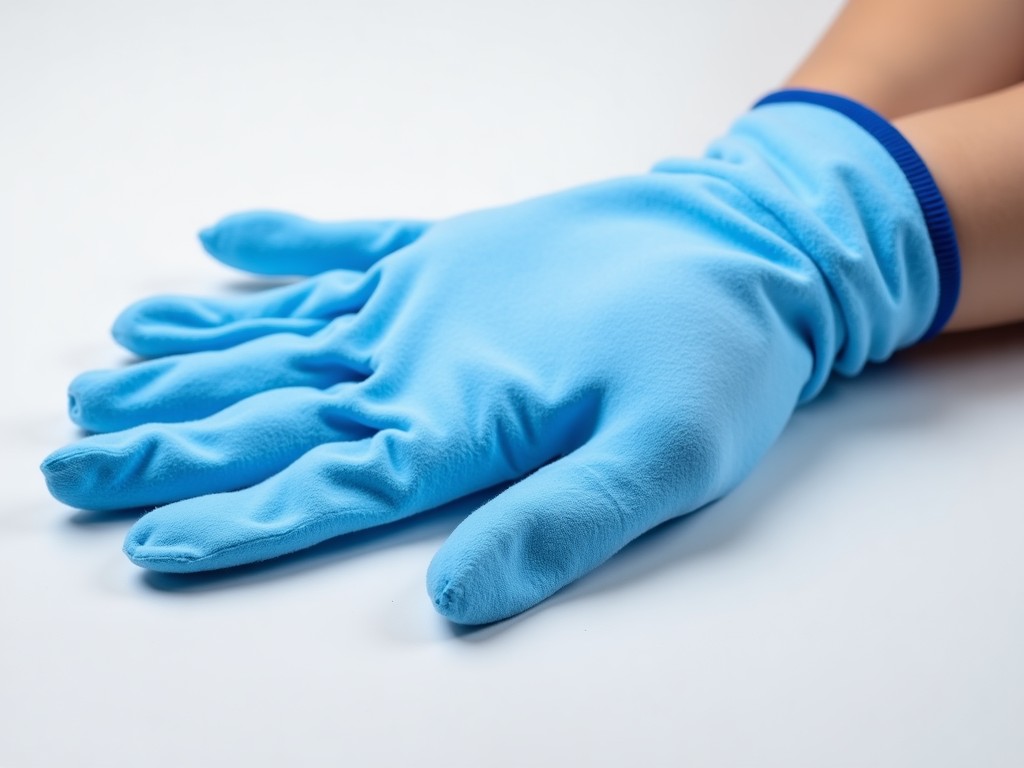
Odm Car Cleaning Microfiber Gloves
The manufacturing of automotive-grade cleaning gloves requires precise control over fiber chemistry and weave architecture. Our ODM (Original Design Manufacturing) services focus on delivering
ODM Car Cleaning Microfiber Gloves
The manufacturing of automotive-grade cleaning gloves requires precise control over fiber chemistry and weave architecture. Our ODM (Original Design Manufacturing) services focus on delivering high-polyamide microfiber structures that maximize particulate matter absorption without abrasive damage to clear coat surfaces. By optimizing the ratio of polyester to nylon, we provide OEM-ready solutions that meet the specific mechanical demands of professional detailing environments and high-volume retail distribution.
Professional detailing relies on the capillary action of synthetic fibers to lift contaminants away from the vehicle surface. Standard cotton cloths often displace debris across the paint, whereas engineered microfiber gloves utilize split fiber technology to trap particles, significantly reducing the risk of micro-swirl marks and scratches during maintenance cycles.
Technical Specifications
| Feature | Standard Specification | Customizable Range |
|---|---|---|
| Material Composition | 80% Polyester / 20% Polyamide | 70/30 or 90/10 blends |
| Face Weight (GSM) | 300 GSM - 500 GSM | Up to 1200 GSM for heavy-duty |
| Weave Type | Double-sided Loop | Waffle weave or Flat-knit |
| Edge Binding | Overlocked Cotton Thread | Hemmed edge or Elasticated tape |
| Sizing | Universal (Medium/Large) | Custom ergonomic molds |
Manufacturing Process and Fiber Engineering
The production cycle begins with the extrusion of polymer melt into fine filaments. To achieve the necessary surface area for effective cleaning, these filaments are mechanically split, creating thousands of microscopic channels within each individual fiber. This splitting process increases the total surface area, allowing the glove to hold larger volumes of water and dirt without the abrasive particles ever contacting the automotive finish.
The knitting phase determines the density and durability of the glove. A higher-density knit provides a thicker plush pile, which is ideal for drying surfaces where water retention is critical. For specialized detailing applications, we control the tension during the knitting process to ensure the glove maintains its structural integrity even after multiple wash cycles in high-temperature detergents.
Industrial Applications
- Exterior Paint Maintenance: High-GSM plush gloves are engineered to lift dust and grit safely, preventing marring on ceramic clear coatings.
- Interior Detailing: Finer-weave microfiber is utilized for removing dust from dashboards, screens, and leather surfaces without leaving lint or oily residues.
- Wheel and Rim Cleaning: Reinforced-polyamide blends allow for the removal of stubborn brake dust and grease without degrading the material structure.
Customization Options for OEMs
OEM partners can specify various customization parameters to align with brand identity and market positioning. This includes color-dyeing the fibers prior to knitting to create specific cleaning zones (e.g., red for wheels, blue for paint) to prevent cross-contamination.
Branding is integrated through high-definition embroidery, heat-transfer printing, or woven silicone labels. Furthermore, we offer bespoke packaging solutions, ranging from retail-ready blister packs with header hooks to industrial-grade bulk-wrap for wholesale distribution.
Frequently Asked Questions
What is the minimum order quantity (MOQ) for custom GSM?
MOQs vary based on the complexity of the weave and custom dyeing requirements, typically starting at 3,000 units for custom-engineered specifications.
Can samples be provided before bulk production begins?
Yes, we provide pre-production samples from existing stock or custom prototypes to verify material density, absorption rates, and branding quality.
How is quality controlled during the manufacturing process?
Each batch undergoes GSM verification, tensile-strength testing on the edge stitching, and visual inspection to ensure consistency with the approved technical data sheet.
Ready to discuss your technical requirements?
Contact our engineering team to request a technical consultation or a quote for custom microfiber production.
Inquire About Project


